
The first set of aligners feels different from the visit where you said yes. Invisalign first week expectations come down to pressure, a short change in speech, and a new habit of taking the trays out only for meals and brushing. Most of that eases within a few days when the aligners stay in for the hours on your plan.
Schedule a free Invisalign consultation or call (619) 295-4545.
At Marcos Ortega DDS, that first fit happens at 306 Walnut Ave, Suite 25, in Hillcrest. Free parking helps patients coming from Mission Hills, Banker’s Hill, and downtown San Diego. The practice has served this part of the city for more than 34 years. Many adults start with Invisalign Go clear aligners when the exam shows a shorter plan. A free consultation is how most people start, and the plan still depends on the exam, the bite, and daily wear.
What are normal Invisalign first week expectations?
Normal Invisalign first week expectations are a few days of tight pressure, a brief lisp, and aligners that stay in about 20 to 22 hours a day. Align Technology tells patients to remove the trays only to eat, to drink anything other than water, and to brush.
Pressure is the feeling people notice first. The tray is shaped a little ahead of where the teeth sit today, so it feels snug when it goes in. Many patients say the tightness is strongest on day one and day two, then fades. That pattern is common. It is not a promise that your week will feel the same, because teeth, gums, and bite depth differ.
This is not the same sensation as a metal wire poking a cheek. The plastic is smooth. A new edge can still rub until your tongue gets used to it. If a spot stays raw after a day or two, call the office instead of trying to trim the tray at home. A small polish at the chair is safer than a cut you cannot undo.
You may also notice more saliva, a dry lip, or a mild headache on the first evening. Those usually settle as you swallow and speak with the trays in. If pain is sharp, one-sided, or bad enough to keep you awake, that is a reason to call, not a feeling you have to push through.
Some plans place small tooth-colored bumps, called attachments, on the first day. They can feel bumpy under the plastic. They are there so certain teeth can turn or tip. Our separate guide to what Invisalign attachments are covers how they work. This page stays with how the first week feels, not how the bumps are designed.
Align Technology’s first-two-weeks guide describes the early feeling as gentle pressure that often fades within a few days, with trays worn 20 to 22 hours a day. Use that as a benchmark, then follow the hours and the switch date written on your own plan. A blog cannot see your bite.
What should you practice for Invisalign first week expectations?
Before you leave Walnut Avenue, you should be able to take the aligners out and seat them again without help. The first visit is a fit check and a practice session, not a race back to the car.
Dr. Ortega has been trained and certified in the use of Invisalign clear braces, and the delivery visit is kept simple on purpose. You will try the current set, check that it sits fully, and practice removal while someone is there to coach you. Do not leave until your fingers can start the tray at the back tooth. The parking lot is a hard place to learn that step.
The contact page lists the office as open Monday through Thursday, 7:30am to 4:30pm, and closed Friday through Sunday. If you want a human to watch the first removal, book a time inside those hours. The phone at the front desk is 619-295-4545. After hours, a loose tray can wait in its case until the next open morning unless you have swelling, bleeding that will not stop, or trouble breathing.
Use this order while you are still in the chair:
- Wash your hands before you touch the trays.
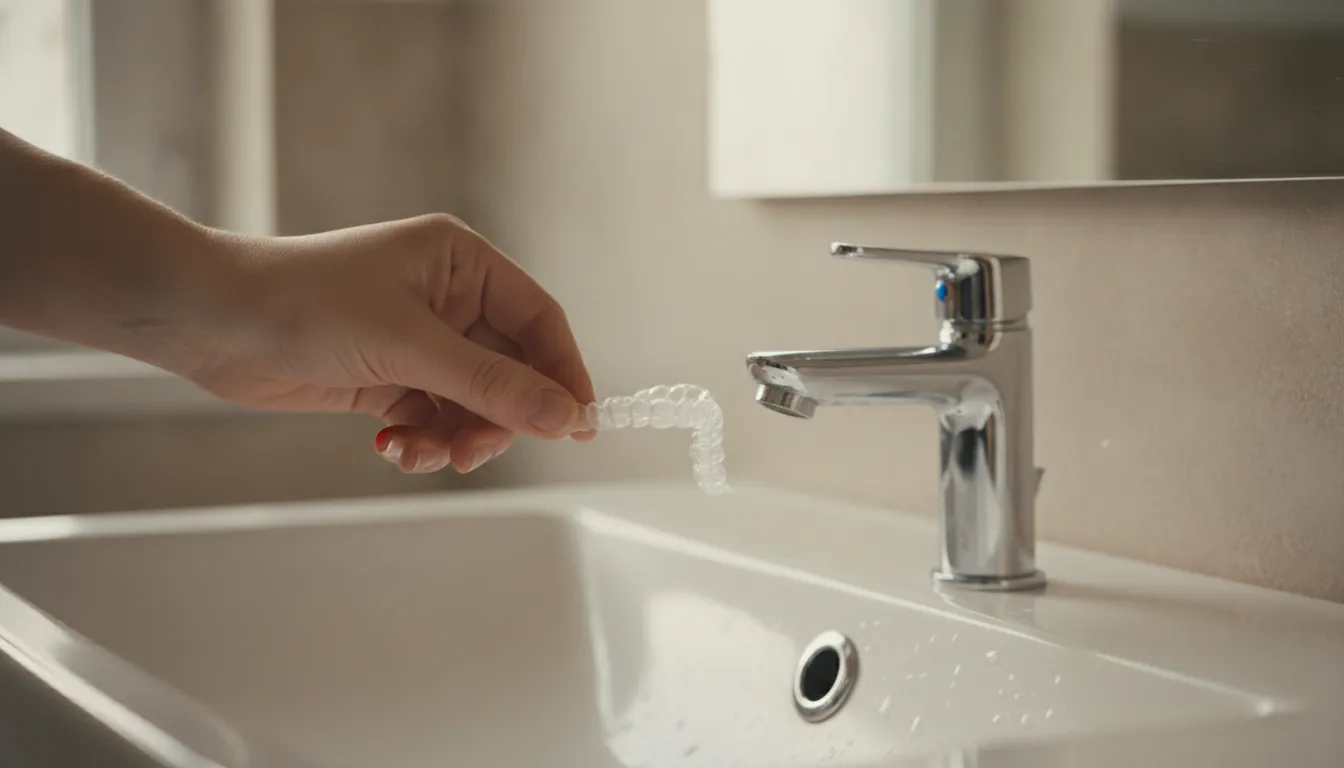
- Start at a back tooth on one side and peel the edge down with a fingernail.
- Move forward slowly until that side lets go, then repeat on the other side.
- Rinse the tray with cool water, never hot water, so the shape does not warp.
- Seat it again from the front teeth toward the back until it feels even.
- Put the tray in the case any time it is out of your mouth, not on a napkin.
If the tray rocks or leaves a gap at one tooth, say so before you go. A tray that is not fully seated will not move that tooth the way the plan expects. For the bigger picture of scans, sets, and visits, read how Invisalign works. The rest of this article stays inside the first seven days.
How do the days after delivery usually feel?
Days two through seven are when the new habit either sticks or slips. Pressure often eases, speech gets clearer, and the risk is leaving the trays out for long meals.
Day 1 is the tightest for most people. Plan a quieter evening. Drink water with the trays in. Take them out for dinner, brush, and put them back before you sit down to relax. If you were given attachments, run your tongue over them once so you know what is new and what is not.
Day 2 can make chewing feel tender, especially on front teeth. Choose softer foods for that meal, then brush before the trays go back in. A long lunch with the trays on a table is the mistake that adds up. Our guide to eating with Invisalign covers the full meal rules. Here, the only goal is getting the trays back in before you forget.
Day 3 is often a speech day. You may lisp on s sounds. Read one paragraph out loud at home before a meeting. Most people sound like themselves again once the tongue stops hunting for the plastic. Do not skip a work call because of it. Practice beats avoidance.
Day 4 is when many patients feel the pressure drop and decide the trays can stay out “just for the afternoon.” That break is how a first week loses its progress. Keep the same hours you used on day one. If the plan says 20 to 22 hours, a two-hour coffee meeting with the trays out already spends the whole removal budget.
Day 5 should start to feel routine. Put the case in the same bag or pocket every morning. Patients who commute from downtown or Mission Hills do better when the case is with their keys, not in a bathroom drawer at home.
Day 6 is a good day to lock in cleaning without turning it into a project. Rinse the trays, brush them gently with cool water, and brush your teeth before they go back in. Skip hot water. The full cleaning steps live in our Invisalign cleaning guide, so this page will not repeat them.
Day 7 is a fit check you can do in the mirror. The tray should sit evenly. Edges should not cut. One tooth that stays very sore, or a tray that no longer seats, is a reason to call. Do not jump to the next set early unless the office already told you to. Your switch date is part of the plan, not a guess based on how ambitious you feel.
Compare the feelings that usually settle with the ones that should get a call. This is a guide, not a diagnosis. Some people feel little on day one and more on day three.
| What you notice | Often part of week one | Call the office |
|---|---|---|
| Pressure on the teeth. | It feels tight for a day or two, then easier. | Call if it is sharp, one-sided, or worse by morning. |
| Speech with the trays in. | A short lisp usually clears with practice. | Call if you stop wearing the trays just to talk. |
| Edges against the cheek. | The tongue notices the plastic, then adapts. | Call if a raw spot is still cut the next day. |
| Hours the trays stay out. | They come out only for meals and brushing. | Call if they stay out for whole meetings. |
| Fit by day seven. | The tray sits evenly on every tooth. | Call if a gap remains or the tray will not seat. |
- Day 1. Tight pressure. Practice removal once more at home.
- Day 2. Tender chewing. Choose softer food, then brush.
- Day 3. A short lisp. Read one paragraph aloud.
- Day 4. Pressure eases. Keep the same wear hours.
- Day 5. The routine starts. Keep the case with your keys.
- Day 6. Trays look cloudy if you skip rinsing. Use cool water.
- Day 7. You can judge the fit. Write down questions for the office.
What matters is whether the trays stay seated and whether anything sharp or one-sided shows up. A feeling that fades is expected. A feeling that gets worse is a call.
How do you get through a workday in week one?
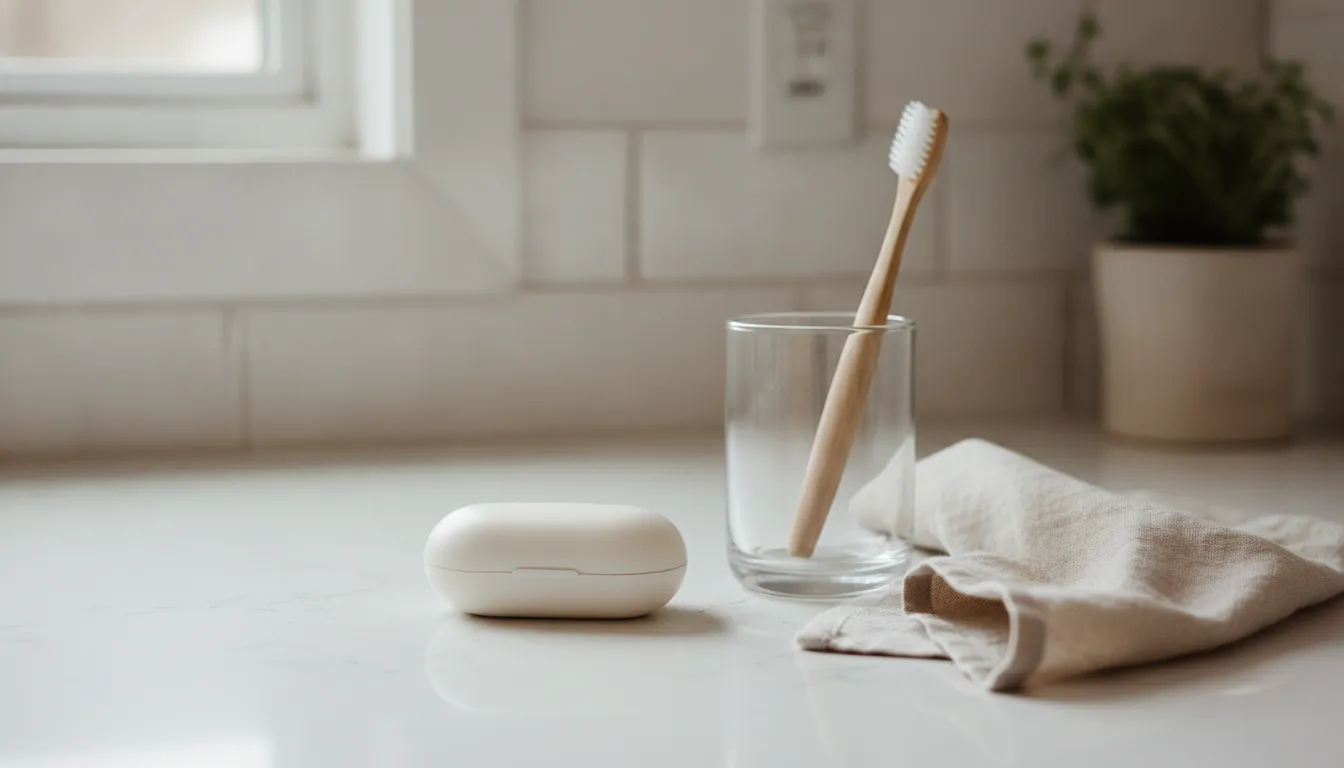
Keep the trays in for meetings, take them out only to eat or drink something other than water, and put them in the case the moment they leave your mouth.
Hillcrest and downtown workdays are full of coffee, lunch, and conversations. The trays can stay in while you talk. If you are worried about the lisp, practice the night before rather than leaving the aligners out for the whole morning. An hour out for a meeting is an hour the teeth are not moving.
Water is the drink Align says you can have with the trays in. Coffee, tea, soda, and wine come with the trays out, because sugar and pigment sit against the teeth otherwise. Rinse your mouth, and the trays, before they go back in. If you cannot brush after a short snack, rinse well and brush at the next chance. Do not make a habit of all-day snacking with the trays out.
- Keep the case in a bag, not loose in a pocket where it can crack.
- Never wrap the trays in a napkin at a cafe. That is how they get thrown away.
- Set a phone reminder for the end of lunch so the trays go back in.
- If you play a sport or a wind instrument, ask at the visit how to handle that hour. Do not invent a longer break.
- Switch sets at night only if your plan says it is time. Sleeping through the first tight hour is easier than starting a new set before a morning meeting.
If a tray is lost or cracked, call 619-295-4545 before you move to the next set. Wearing the wrong tray, or skipping ahead, can make the next one not fit. The front desk can tell you whether to stay in the previous set or come in. That call is a normal part of week one, not a failure.
When should you call during the first week?
Call when something is sharp, one-sided, or keeping you from wearing the trays. Mild tightness that fades is expected. A cut, a lost tray, or pain that stops sleep is not something to wait out.
Reach the Hillcrest office through the contact page, Monday through Thursday, 7:30am to 4:30pm, if any of these show up:
- The aligner will not seat fully after you have worn it as directed.
- An edge cuts your cheek or tongue and is still raw the next day.
- You lose a tray or crack one.
- Pain is sharp, stays on one tooth, or keeps you awake.
- A tooth feels suddenly loose, or the bite feels very off when the trays are out.
- You see swelling, a fever, or bleeding that does not slow. Those need prompt care, not a blog checklist.
You do not need to call for a tight feeling on the evening of delivery, extra saliva, or a lisp that is already improving. Those sit inside normal Invisalign first week expectations. You also do not need to decide alone whether to stop treatment. Take the trays out if a spot is being cut, store them in the case, and call when the office opens.
This page cannot diagnose a toothache. If you are unsure, call. The team would rather see a tray that is fine than hear that you stopped wearing it for a week.
How does the Hillcrest office support week one?
The first week is easier when the fit visit is unhurried, parking is free, and you know who to call. Comfort and clear instructions matter more than a pep talk.
The about page describes a warm, friendly staff and a calm office. One published patient note, from Taylor H, says the front desk created a calm atmosphere and that Dr. Ortega was kind and direct. Free parking at the Walnut Avenue building matters on delivery day, because you should not be rushing the removal practice to feed a meter. The team knows regular patients by name, and the goal of the visit is that you leave able to handle the trays yourself.
If dental visits make you anxious, say so. The practice is DOCS-certified for oral sedation when a procedure needs that level of support, and the same office handles cosmetic and restorative care under one roof. Aligner delivery is usually a simple fit visit. The team will tell you if any step needs extra comfort help. Sedation is not automatic, and it is not required for a tray check.
Later checkups are often about every 4 to 6 weeks, and many adult cases run longer than this first week. Timing depends on the bite and on wear. Our Invisalign timeline guide covers length of care. Fees, insurance, and payment questions belong in the Invisalign cost guide, not in this first-week article.
You can review Invisalign treatment options on the site, then come back here when a start date is on the calendar. Simpler adult cases are sometimes planned with Invisalign Go, and broader cases use a fuller series. Which one fits is an exam decision. Read about the practice if you want the office story before you book.
Nothing on this page replaces that exam. Teeth, gums, and goals decide the plan. If you are still comparing options, this is the week you can plan for before you start. If a plan is already in your hands, it is the week you are in now.
Request a free Invisalign consultation before your first week or call (619) 295-4545.
Frequently Asked Questions
Is pressure in the first week a sign something is wrong?
Tight pressure for a few days is the usual sign that the tray is asking the teeth to move. It should ease, not build, as the week goes on. Call if the pain is sharp, one-sided, or still strong when you wake up on day three. Do not file the tray or skip days to test it.
Can I take the aligners out for a long meeting?
A short removal for a meal is part of the plan. A meeting is not. Align’s guidance is 20 to 22 hours of wear, with the trays out for eating and brushing. If a presentation worries you, practice speech the night before and keep the trays in. One long morning out can spend the only free time your plan allows.
What if I lose an aligner in the first week?
Call the office before you move to the next set. Put the previous tray back in if you still have it and it seats. Do not guess. The Hillcrest desk can tell you whether to stay in that set or come in for a look. A napkin on a lunch table is the most common way a first-week tray gets lost.
Will I get attachments on day one?
Only if your plan needs them for certain movements. If they are placed, they can feel bumpy under the plastic for a few days. They are not a separate treatment. The attachment guide explains their job. Your first-week job is still the same: wear the trays, keep them clean, and call if an edge is sharp.
When do I switch to the next set of aligners?
Follow the date the office gave you. Some plans change weekly and some change every two weeks. Day seven is not an automatic switch. Put a new set in at night, when it is time, so the first tight hour happens while you sleep. If the new tray does not seat after a day, call instead of forcing it.