
If you are wondering how long does a dental bridge last, the most useful answer is that there is no fixed expiration date. A bridge can serve for many years, but its lifespan depends on the health of the supporting teeth and gums, how well it fits, daily care, bite forces, and regular dental evaluation. Knowing what can affect it helps you protect the bridge and recognize when something has changed.
Ask about an evaluation for your dental bridge
How long does a dental bridge last?
There is no single lifespan that applies to every bridge. The condition of the supporting teeth, the bridge design, oral hygiene, and changes in your bite all matter.
A dental bridge replaces one or more missing teeth by joining an artificial tooth, or teeth, to support on either side of the space. In a traditional bridge, those supports are usually prepared natural teeth covered by crowns. Other bridge designs may use different kinds of support, so the expected maintenance and risks vary.
Bridge design is one reason general lifespan estimates cannot predict an individual result. The number and condition of the supporting teeth, the span being replaced, the materials used, and the forces from your bite all contribute to how a bridge performs. Your dentist can explain the design and what to monitor for your particular restoration.
Rather than relying on a date, pay attention to how the bridge feels and to the health of the teeth and gums around it. A bridge may still look intact while decay or gum changes develop at a supporting tooth. Conversely, a bridge that has been in place for a long time may remain functional if it is well cared for and routinely checked.
It can help to think of a bridge as part of a larger system. The replacement tooth fills the gap, but the supporting teeth and their surrounding tissues have their own needs. A restoration may look unchanged while the gumline shifts or one support becomes more sensitive. This is why appearance alone is not a reliable way to judge whether everything is healthy.
For general oral-health guidance, the American Dental Association offers patient information on caring for teeth and gums. Your own dentist can assess the bridge and supporting structures directly and recommend an appropriate follow-up schedule.
What affects a bridge’s lifespan?
The bridge is only part of the picture; its supporting teeth, gums, fit, and the forces placed on it also need attention.
Several factors influence how long a bridge remains comfortable and useful. One issue does not automatically mean a bridge needs replacement, but it may change the care or monitoring it requires.
- Supporting-tooth health: A traditional bridge depends on the teeth that hold it in place. Decay, fractures, or loss of support can affect the entire restoration.
- Gum and bone health: Gum inflammation or recession around supporting teeth can make cleaning harder and may expose areas that need attention.
- Fit and cement: A loose feeling, a new gap, or a change in how the bridge meets nearby teeth should be evaluated rather than ignored.
- Bite pressure: Clenching, grinding, or uneven contact can place extra force on a bridge or its supports. A dentist can assess whether these forces are affecting it.
- Daily cleaning: Plaque can collect around the edges and underneath the replacement tooth. Cleaning those areas is part of protecting the bridge and neighboring tissues.
- Food and habits: Very hard or sticky foods and using teeth to open packages can stress dental work. Ask your dentist whether any specific foods or habits are a concern for your bridge.
- Overall health and care: Dry mouth, tobacco use, some health conditions, and inconsistent dental visits may affect oral health. Share relevant changes with your dental team.
These are reasons for individualized advice, not a checklist for self-diagnosis. A dentist can inspect the margins and supporting teeth, check your bite, and review whether imaging or another assessment is appropriate.
How can you care for a dental bridge at home?
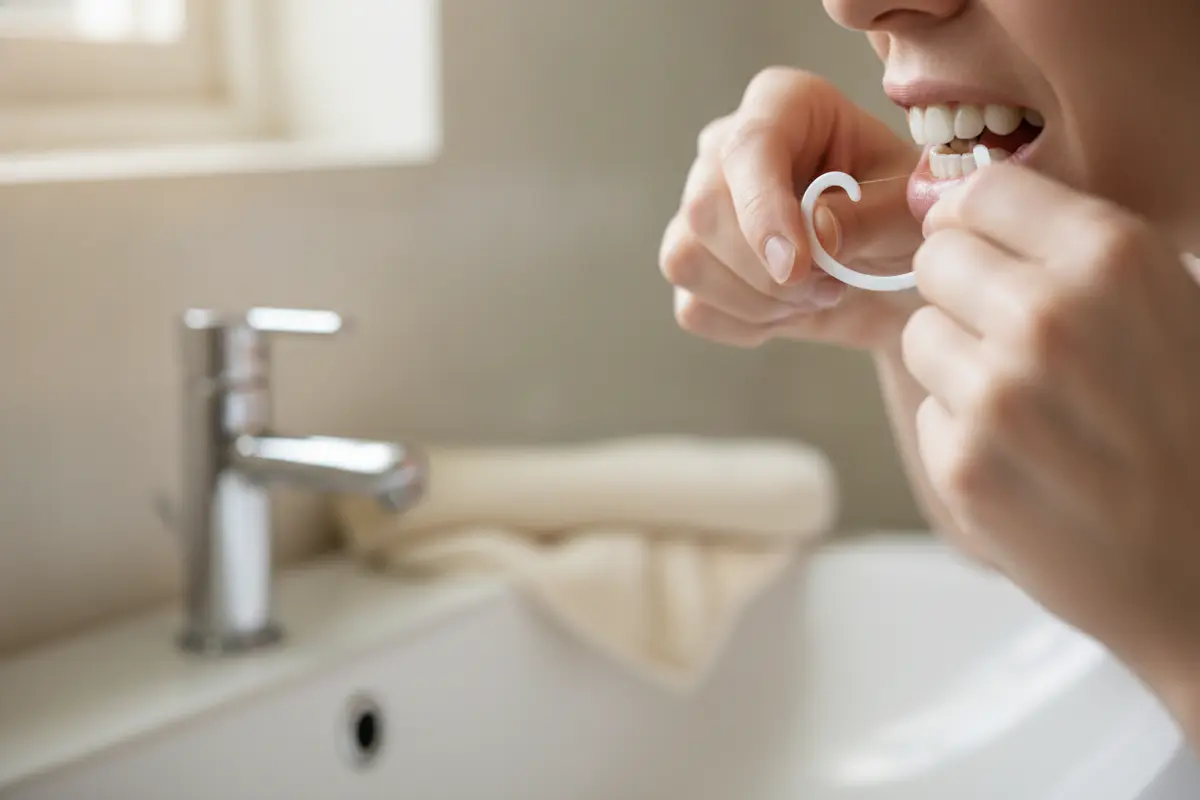
Brush gently and consistently, and use a method that cleans beneath the bridge as well as around its edges.
Good home care cannot prevent every problem, but it helps remove plaque from the places where it tends to collect. Your dental team can demonstrate the technique that fits your bridge design and dexterity.
- Brush twice daily with a soft-bristled toothbrush and fluoride toothpaste, following your dentist’s guidance.
- Clean between teeth every day. Use floss, an interdental brush, or another tool that can reach around the bridge without damaging your gums.
- Clean beneath the replacement tooth. A floss threader or bridge-specific floss can help guide floss under the pontic, the part that fills the gap. A water flosser may be useful for some people, but ask whether it suits your needs.
- Take your time around the edges. Carefully clean where the bridge meets the supporting teeth and gumline. Do not force a tool into a space that hurts or will not admit it.
- Keep routine dental visits. A dental team can check the bridge, supporting teeth, gums, and bite, and adjust the care plan as needed.
If you have trouble reaching beneath the bridge, mention it at your next visit instead of giving up on cleaning. The practice’s restorative dentistry information can help you learn about care for dental restorations, and the general dentistry page describes preventive and ongoing dental care.
Try to make the routine manageable, rather than using a tool that causes pain or discourages you from cleaning at all. If you have limited hand mobility, a dental team may be able to suggest a larger-handled brush or another way to reach the area. If floss catches or shreds in one spot, do not pull forcefully; ask whether the bridge edge or the technique should be checked. A new cleaning difficulty can be useful information to share.
Care also includes noticing changes between appointments. When brushing, look for persistent redness or swelling and note if one area repeatedly traps food. This does not tell you what the cause is, but it gives you a clear observation to report. Keep using only cleaning tools that your clinician has advised are appropriate for your bridge and gums.
What changes should prompt a dental evaluation?
New looseness, discomfort, damage, or gum changes around a bridge deserve a professional assessment, even if the change seems small.
Contact a dentist if you notice a persistent change. The cause is not always the bridge itself, and symptoms alone cannot tell you whether repair, adjustment, or replacement is needed.
- The bridge feels loose, rocks, or seems to move when you chew.
- You notice a chip, crack, rough edge, or a piece that appears to have come away.
- Your bite feels different, or the bridge now hits before the surrounding teeth.
- Food repeatedly catches in a new space around the bridge.
- You have ongoing sensitivity, pain when biting, or soreness near a supporting tooth.
- The gums around the bridge are swollen, bleed repeatedly, or appear to be receding.
- You notice an unpleasant taste or odor that continues despite careful cleaning.
If a bridge becomes loose or breaks, avoid trying to glue it back yourself. Do not chew hard foods on that side until you have received advice. If you have severe pain, facial swelling, fever, or trouble swallowing or breathing, seek urgent medical or dental care appropriate to the symptoms.
How are bridge problems evaluated?
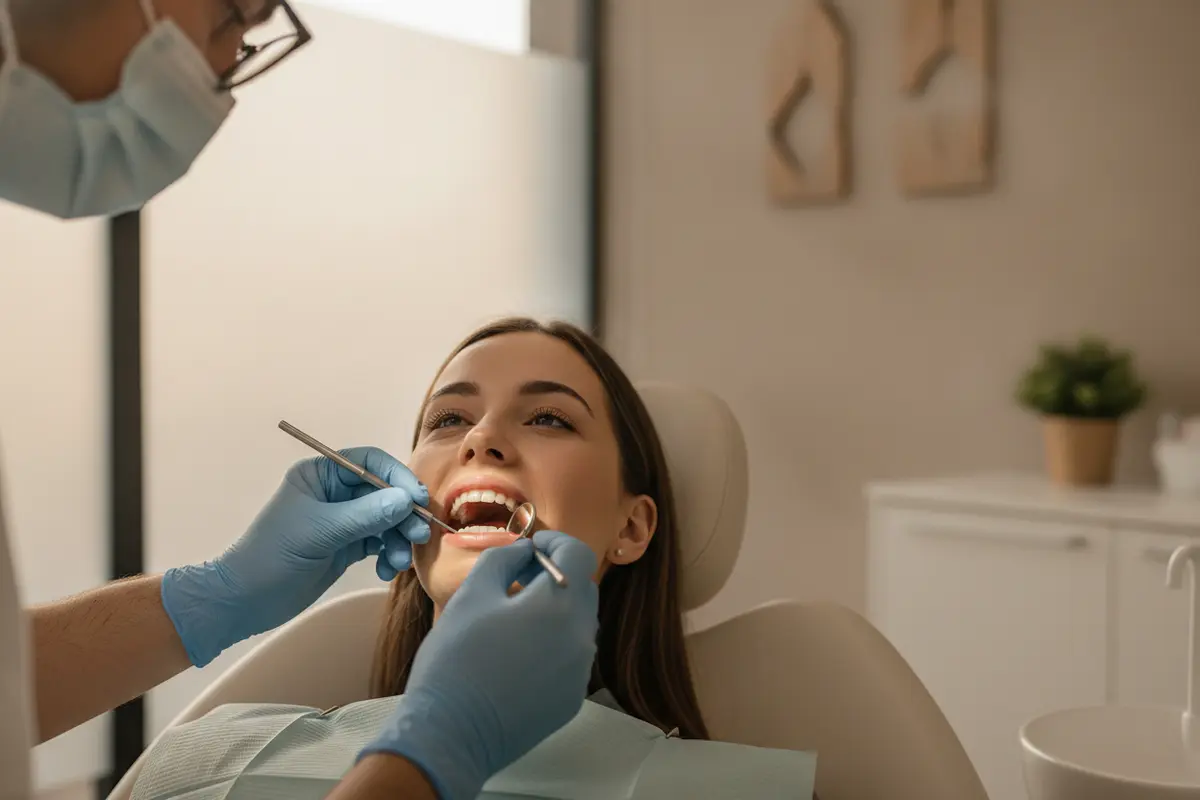
An evaluation looks at the bridge and the structures that hold it, not just its visible surface.
During a visit, the dentist may ask when the bridge was placed, what has changed, and whether you have pain or trouble chewing. The examination may include checking the restoration, gum tissue, supporting teeth, and how your teeth come together. Imaging may be considered when it can help assess areas that cannot be seen directly.
The next step depends on the findings. A minor fit or bite concern may call for a different response than decay, a fracture, or a problem with a supporting tooth. Depending on the bridge and its condition, the dentist may discuss monitoring, a repair or adjustment, or a new restoration. These options cannot be chosen reliably without an examination.
When you arrange a visit, describe what you noticed and when it began. Mention whether the change happens during chewing, when you touch the bridge, or throughout the day. If something broke off, keep the piece in a clean container and ask the office whether to bring it; do not try to reattach it. These details can help the team understand the concern, although an exam is still needed to determine its cause.
If you have had the bridge for years, bring any available information about when it was placed or prior repairs. You do not need to know the technical details. Your account of changes in comfort, cleaning, or chewing can help guide the conversation. Ask what was found, what can be monitored, and when the team wants to see you again. A clear follow-up plan is useful whether the recommendation is treatment or continued observation.
A bridge consultation is also a chance to discuss cleaning tools, comfort, and what to expect from any recommended treatment. Marcos Ortega DDS is an established Hillcrest and Downtown San Diego practice with restorative care and patient-comfort options. If dental visits make you anxious, tell the team; sedation suitability is assessed individually, and it is not right for every patient.
What should you ask about a bridge?
Clear questions can help you understand your bridge’s condition and make a practical care plan.
- Which type of bridge do I have, and what supports it?
- Do the supporting teeth and gums look healthy?
- How should I clean beneath and around this specific bridge?
- Are there signs of wear or a bite issue that need follow-up?
- What changes should lead me to call before my next routine visit?
- If treatment is recommended, what are the options and what findings support each one?
Bring a list of medications and relevant health changes, and describe symptoms in your own words. You can also review the practice’s information about Dr. Marcos Ortega and its office tour before your visit. Patients looking for nearby care can find the Hillcrest dental office information online.
When might a bridge need repair or replacement?
Replacement is not based on age alone; it depends on what an examination finds and whether the bridge can continue to function safely.
A bridge may need attention if it is damaged, no longer fits well, or its supporting teeth have developed a problem. In some situations a repair or adjustment may be considered. In others, a dentist may recommend replacing the bridge or addressing the support tooth first. The right approach depends on the extent of the issue, the bridge design, your oral health, and your goals.
Do not assume that a bridge must be replaced just because it has been in place for a certain number of years. Likewise, do not put off a check simply because it looks fine. Regular visits make it easier to identify changes and discuss options before a small concern becomes harder to manage.
For additional background on replacing missing teeth, see the practice’s guide to dental bridges and its overview of dental implants. These are different treatment approaches; which one is appropriate depends on individual clinical findings and preferences.
Dental bridge factors at a glance
Use this as a conversation guide, not a way to diagnose a bridge at home.
| Factor to review | Why it matters | Helpful next step |
|---|---|---|
| Supporting teeth | They anchor many bridge designs and can develop decay or damage. | Keep checkups and ask how the supports look. |
| Gum health | Inflammation or recession can affect comfort and cleaning. | Brush gently and clean along the gumline. |
| Area beneath bridge | Plaque and food can collect around the replacement tooth. | Ask for a demonstration of a threader or suitable aid. |
| Fit and bite | Changes may signal wear, looseness, or a developing issue. | Arrange an evaluation for a new or persistent change. |
| Daily habits | Clenching, grinding, or hard foods may stress restorations. | Discuss habits and protective options with your dentist. |
Contact the office to discuss a dental bridge evaluation
Frequently Asked Questions
Can a dental bridge last for many years?
Yes, a bridge may remain in use for many years, but no specific duration can be promised. Its condition and the health of its supporting teeth and gums need to be checked over time.
Does an old bridge always need to be replaced?
No. Age by itself does not determine whether replacement is needed. A dentist considers fit, wear, supporting teeth, gum health, and your symptoms before discussing next steps.
Can I clean under a dental bridge?
Yes. A floss threader, bridge floss, or another recommended aid can help clean beneath the replacement tooth. Ask your dental team to show you the safest method for your bridge.
Should I wait if my bridge feels loose?
Contact a dentist for guidance rather than waiting for a routine visit. Avoid chewing hard foods on that side and do not use household glue or attempt a do-it-yourself repair.
What should you remember?
A dental bridge does not have one guaranteed lifespan. Careful cleaning, attention to changes, and regular professional checks can help you understand its condition and protect the supporting teeth. If your bridge feels different or you have a concern, an evaluation can clarify what is happening and which options fit your needs.