
After bridge placement, your first meal should fit your dentist’s instructions and feel manageable.
This matters especially if you have a temporary bridge or are still numb.
Talk with our team about your bridge care.
In general, what to eat after getting a dental bridge means choosing soft, easy-to-chew textures. Eat when your dentist says it is appropriate. Avoid extremely hard or chewy foods, as Cleveland Clinic advises.
Think in terms of texture, not a strict diet chart. Follow your personal aftercare directions and avoid putting unnecessary strain on the new bridge.
What to Eat After Getting a Dental Bridge
Choose foods that feel soft and manageable. Follow your dentist’s instructions, since there is no single menu or timetable for every patient.
After the appointment, your own instructions take priority over general food suggestions. This is especially important if you have a temporary bridge, received numbing medication, or were given specific directions about eating. If anything is unclear, check with your dental office before testing how the bridge feels at a meal.
Think about texture instead of following a rigid list. A meal that can be cut or mashed easily may be easier to manage than one that is tough, brittle, or sticky. Ask whether each bite feels manageable for you, not whether it appears on a universal aftercare menu. You can adjust familiar meals by changing how they are prepared or served, while following your dentist’s instructions.
- Soft or spoonable: foods that do not require a firm bite or prolonged chewing.
- Easy to cut: tender foods that can be divided into small, manageable pieces before eating.
- Moist rather than tough: foods prepared so they are not dry, stringy, or difficult to break down.
- Adapted versions of familiar meals: cook foods until tender or mash them, if your dentist has not advised otherwise.
These are ideas, not a prescribed diet. Choose foods that suit your needs and preferences, and notice how chewing feels. A meal may be easy for one person and awkward for another, especially with a temporary bridge or specific instructions. If a bite feels uncomfortable, do not force it. Set it aside and ask your dentist when that food may be appropriate. You do not need to test the bridge with a challenging bite.
With a bridge in place, avoid extremely hard or chewy foods, as Cleveland Clinic advises in its dental bridge care guidance. That caution can help you make practical choices without assuming that every firm food is automatically off-limits. How a food feels, your bridge type, and your dentist’s instructions all matter. Avoid using your teeth to bite down on hard objects as well.
The practice’s page on restorative dental care in San Diego describes care for missing or damaged teeth. Your treating dentist can tailor food guidance to your bridge. Contact the office about persistent chewing difficulty, pain, or a bridge that feels loose or damaged. It is better to ask than to guess.
Food Textures: Easier Options and Foods to Approach Carefully
Texture can help you plan meals while you follow your dentist’s instructions. Use the lists below as general ideas, not a prescribed diet. Choose what feels manageable and ask your dentist about foods that may not suit your bridge or treatment.
| Texture | Examples | Practical approach |
|---|---|---|
| Soft and spoonable | Scrambled eggs, yogurt, mashed potatoes, smooth soup | Choose options that require little biting, if eating is allowed. |
| Tender and easy to cut | Flaky fish, soft pasta, cooked squash | Prepare until tender; cut into small pieces when your dentist says firmer food is appropriate. |
| Hard, sticky, or very chewy | Ice, hard candies, caramel, tough meat | Use caution and follow your dentist’s bridge-specific advice. Cleveland Clinic advises avoiding extremely hard or chewy foods. |
For additional examples, the practice’s guide to how a dental bridge is placed explains bridge basics. Keep this page focused on food choices and follow your treating dentist’s aftercare instructions.
Soft, Easy-to-Chew Meals to Consider
When your dentist says it is appropriate to eat, soft textures can make meals easier to manage while you adjust to your bridge. The ideas below are examples, not a required menu or a clinically approved plan for every patient. Choose options that fit your needs and follow any specific directions from your treating dentist.

Here are a few combinations that may be easier to manage:
- Breakfast: Soft scrambled eggs, yogurt, or ripe banana mashed until smooth. Cook eggs gently so they stay tender, and choose fruit that does not need a firm bite.
- Lunch: A smooth or blended soup, or soft pasta with a mild sauce. Let hot food cool to a comfortable temperature, and cook pasta until it is easy to chew.
- Dinner: Flaky fish with mashed potatoes or soft-cooked squash. Break the fish into small pieces and mash vegetables well rather than serving them firm.
- Snacks: Yogurt, a smoothie, or soft fruit can be convenient options. If using berries or other fruit with seeds or firmer bits, blend them or choose another texture that feels comfortable.
Preparation can matter as much as ingredients. Peel or mash foods when helpful. Cook vegetables until tender. Cut food into manageable bites if your dentist says that is appropriate. Do not test the bridge by biting into something firm. If a food catches, feels uncomfortable, or takes extra effort, set it aside and choose something softer.
These examples are meant to make meal planning less of a guessing game, not to replace individualized instructions. Your needs may differ depending on your treatment and whether you have a temporary or permanent bridge. How long you follow softer choices depends on your dentist’s advice and how comfortable eating feels; there is no single timeline that applies to everyone.
Which Foods May Be Hard on a New Bridge?
Very hard or chewy textures can put extra force on a bridge. Take care and follow your dentist’s instructions.
A new bridge may feel unfamiliar, but that does not mean every crunchy or chewy food will cause a problem. Avoid unusually demanding bites, especially if your dentist has asked you to protect the area. Cleveland Clinic advises avoiding extremely hard or chewy foods with a bridge. It also cautions against chewing ice or biting objects such as pens, pencils, or fingernails. Read its dental bridge guidance.
Depending on your dentist’s instructions and how eating feels, be mindful around foods that require forceful biting or prolonged chewing. Examples include:
- Very hard items: ice, hard candies, or hard kernels can require a forceful bite. Avoid chewing ice in particular, and do not test the bridge by biting down on a hard object.
- Sticky foods: caramel, taffy, and chewing gum may cling and take effort to clear. Ask your dentist whether these are appropriate for your bridge and current stage of care.
- Tough or very chewy foods: chewy meat, dense crusts, and similar textures can call for repeated, firm chewing. Choose an easier texture if chewing feels uncomfortable or your dentist has advised caution.
These examples can help you make careful choices. They are not a list of foods that will damage every bridge. Your restoration and any temporary treatment can affect your instructions. If a bite causes pain or the bridge feels loose, stop and contact your dental office rather than repeatedly testing it.
Use utensils to open packaging instead of your teeth. Do not test the bridge by biting a hard object. Cleveland Clinic also cautions against chewing ice or biting pens, pencils, and fingernails.
Crunchy food is not automatically unsafe for everyone. Consider how much force a bite takes. If it feels too firm, set it aside. Choose manageable meals away from home. Follow bridge-specific instructions, especially for a temporary bridge. Contact your dentist if chewing remains difficult or you notice pain, damage, or looseness.
Marcos Ortega DDS provides individualized restorative care in Hillcrest and Downtown San Diego. If you are unsure about a particular food, ask the dentist who knows your treatment details rather than relying on a general food list.
What If You Have a Temporary Bridge?
If you leave with a temporary bridge, follow the instructions from the dentist who placed it. Temporary restorations and treatment plans differ, so there is no single eating schedule for everyone. If unsure what is appropriate, ask the dental team before your first meal.
Check before eating if your mouth is still numb or you are unsure how to care for the temporary prosthesis. Numbness can make it harder to notice a bite to your cheek, lip, or tongue. Your dentist can tell you when it is appropriate to eat and whether precautions apply. Do not assume a cement-setting time or that every temporary bridge has the same waiting period.
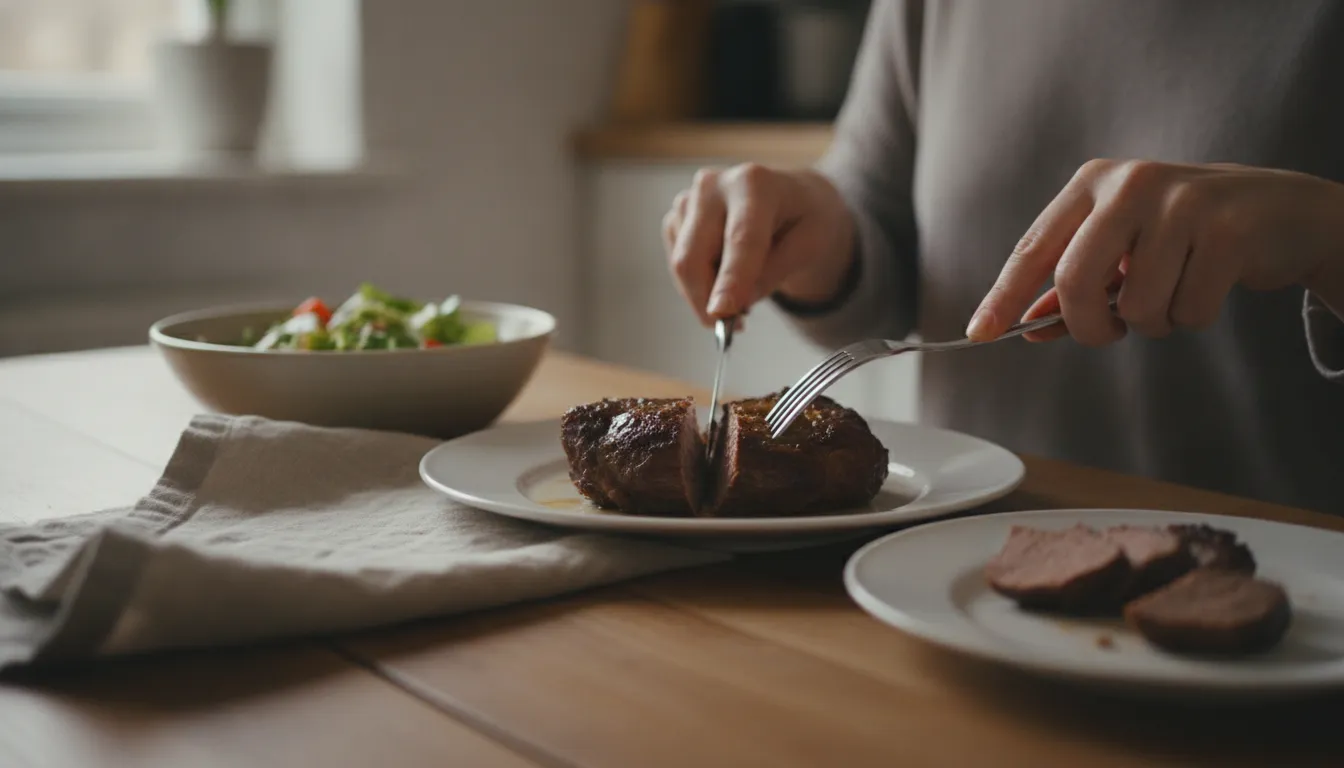
Once you have permission to eat, let comfort and your dentist’s directions guide your choices. Begin with foods that are easy to manage, if advised. The right approach depends on the treatment and instructions for your mouth. Do not treat a general soft-food suggestion as a personal prescription. If chewing feels awkward, pause. Ask the office whether that sensation is expected and what to do next.
Before leaving, confirm the details that matter for your situation. Ask:
- When may I eat, especially if my mouth remains numb?
- Are there foods or chewing habits I should avoid with this temporary bridge?
- What should I do, and whom should I call, if it feels loose or is damaged?
- Are there specific cleaning instructions while I have the temporary prosthesis?
Follow written directions from your dentist. Call the practice if you are unsure about a restriction or the bridge feels loose, shifts, or is damaged. A temporary restoration is part of your treatment plan. Advice for another patient or an online food list may not apply to you.
General oral-surgery handouts may describe soft-food guidance, but they are not bridge-specific. Marquette’s oral-surgery aftercare guidance addresses surgical recovery, not eating instructions for an individual temporary bridge. Your dentist’s directions take priority.
If you notice a new problem after eating, do not adjust or reattach the temporary bridge yourself. Contact the treating office and describe what happened. The team can advise you on next steps.
How to Ease Back Into Your Usual Meals
There is no single schedule for returning to familiar foods. Follow your dentist’s instructions and let comfort guide what you try next.
- Wait for your dentist to say you can broaden food choices.
- Start with familiar foods that are easy to manage, not tough or crunchy foods.
- Cut food into small bites and chew slowly.
- Notice how the area feels. If a texture is uncomfortable, set it aside and choose something easier.
Keep your dentist’s directions in view, especially if you have a temporary bridge or were given advice about numbness. Those instructions take priority over general advice. A temporary bridge may need different care from a final bridge. Do not assume another person’s food choices will suit you.
As meals become more comfortable, follow your own experience and the advice you received. Cleveland Clinic advises avoiding extremely hard or chewy foods with a bridge. Do not chew ice or bite pens or fingernails. Its dental bridge guidance also recommends daily brushing and flossing, including cleaning beneath the bridge with a floss threader or interproximal brush. Ask your dentist which method suits your bridge.
Contact the clinician who treated you if chewing remains difficult, you have ongoing pain, or the bridge feels loose or damaged. These signs do not explain what happened. They are a reason to get guidance. Do not change your bite or food choices on your own. If unsure about a meal, call the office and describe your situation.
The practice’s guide to how a dental bridge is placed offers a brief overview. Your aftercare instructions should come from your treating dentist.
Frequently Asked Questions
What foods should I avoid after getting a dental bridge?
Be cautious with extremely hard or chewy foods. Avoid chewing ice or biting objects such as pens or fingernails. These habits can put force on a bridge. Ask your dentist whether added limits apply to your bridge or treatment stage. See Cleveland Clinic’s dental bridge recommendations.
How long after a dental bridge can I eat?
There is no single wait time for every appointment. Follow the instructions from the dentist who placed your bridge, including advice about a temporary bridge, numbness, or resuming meals. If instructions are unclear, check with the office before eating.
What should I avoid eating with a temporary bridge?
Use the food and care instructions your dentist provided. Temporary bridges and treatment plans differ. Until you clarify what is appropriate, take care with hard, sticky, or chewy foods. Do not test the bridge with a forceful bite. If it feels loose or is damaged, contact your dentist.
Can I eat normally with a dental bridge?
Many people return to usual meals, but comfort and adjustment vary. Follow your dentist’s advice about broadening food choices. Notice how chewing feels instead of forcing a difficult bite. Contact your dentist if chewing remains difficult, pain persists, or the bridge fit changes.
Contact Us About Your Dental Bridge Care
Food choices can feel uncertain while you adjust to a dental bridge. For guidance tailored to your treatment or to discuss restorative dental care in San Diego, contact Marcos Ortega DDS.
Your treating dentist can clarify what is appropriate and when to get in touch about a concern.