
A smile can affect how comfortably you speak, eat, and show up in everyday moments. If chips, discoloration, uneven teeth, or spaces have made you hesitate to smile, you have options that can be tailored to your goals and oral health.
Schedule a free consultation with Marcos Ortega DDS to discuss your smile goals.
Cosmetic dentistry uses aesthetic and restorative treatments to improve the appearance of your teeth, mouth, and smile. Depending on your needs, care may include professional whitening, tooth-colored bonding, porcelain veneers, Invisalign clear braces, or gum contouring. Some treatments can also support function, speech, or oral health, particularly when cosmetic care overlaps with restorative dentistry.
For patients in Hillcrest, Downtown San Diego, and nearby neighborhoods. The right starting point is a clear conversation about what you would like to change and what is clinically appropriate. Understanding the difference between common procedures can make that conversation more productive, beginning with the question of what cosmetic care actually includes.
What Is Cosmetic Dentistry?
Cosmetic dentistry combines aesthetic and restorative care to improve the appearance, function, and overall health of your smile. The right approach depends on your teeth, gums, oral health, and personal goals.
Cosmetic dentistry is the area of dental care focused on improving the appearance of the teeth, mouth, and smile through a range of restorative and aesthetic treatments. Some procedures make subtle changes, such as brightening stained teeth or repairing a small chip. Others involve a more comprehensive plan that addresses tooth shape, color, alignment, gum balance, or missing teeth.
It is not limited to creating a more attractive smile. When treatment also restores damaged or missing teeth, it may support everyday function and oral health. For example, replacing missing teeth can help with speech and confidence as well as chewing, as the Mayo Clinic explains in its overview of dental implants. Cosmetic and restorative goals frequently overlap, so a treatment plan may be designed to address both appearance and dental needs rather than treating them as separate concerns.
How Does Cosmetic Dentistry Differ from Restorative Care?
Restorative dentistry generally focuses on repairing or replacing teeth affected by decay, injury, wear, or tooth loss. Cosmetic dentistry places greater emphasis on visual details, including proportion, symmetry, shade, and the way your smile fits your features. In practice, the two areas often work together. A damaged tooth might need a crown to restore its strength, while the crown is also shaped and shaded to blend naturally with the surrounding teeth.
That overlap is why a consultation matters. A dentist can evaluate your gums, bite, existing restorations, and overall oral health before discussing aesthetic options. Addressing an underlying dental concern first may make cosmetic treatment more predictable and comfortable. It also helps ensure that the proposed changes support a healthy, practical smile instead of focusing on appearance alone.
At Marcos Ortega DDS, patients can explore the broader range of options on the cosmetic dentistry services page and review other dental services that may fit into a coordinated plan. Treatment is individualized, with recommendations based on an in-person evaluation and a clear discussion of what you want to change.
Which Cosmetic Dentistry Procedures Can Transform Your Smile?
A smile transformation does not have to mean choosing the most extensive treatment available. The right approach depends on what you want to change, the condition of your teeth and gums, and how you want your smile to look and function. During a cosmetic dentistry evaluation in San Diego, your dentist can help match the procedure to your goals rather than applying a one-size-fits-all plan.
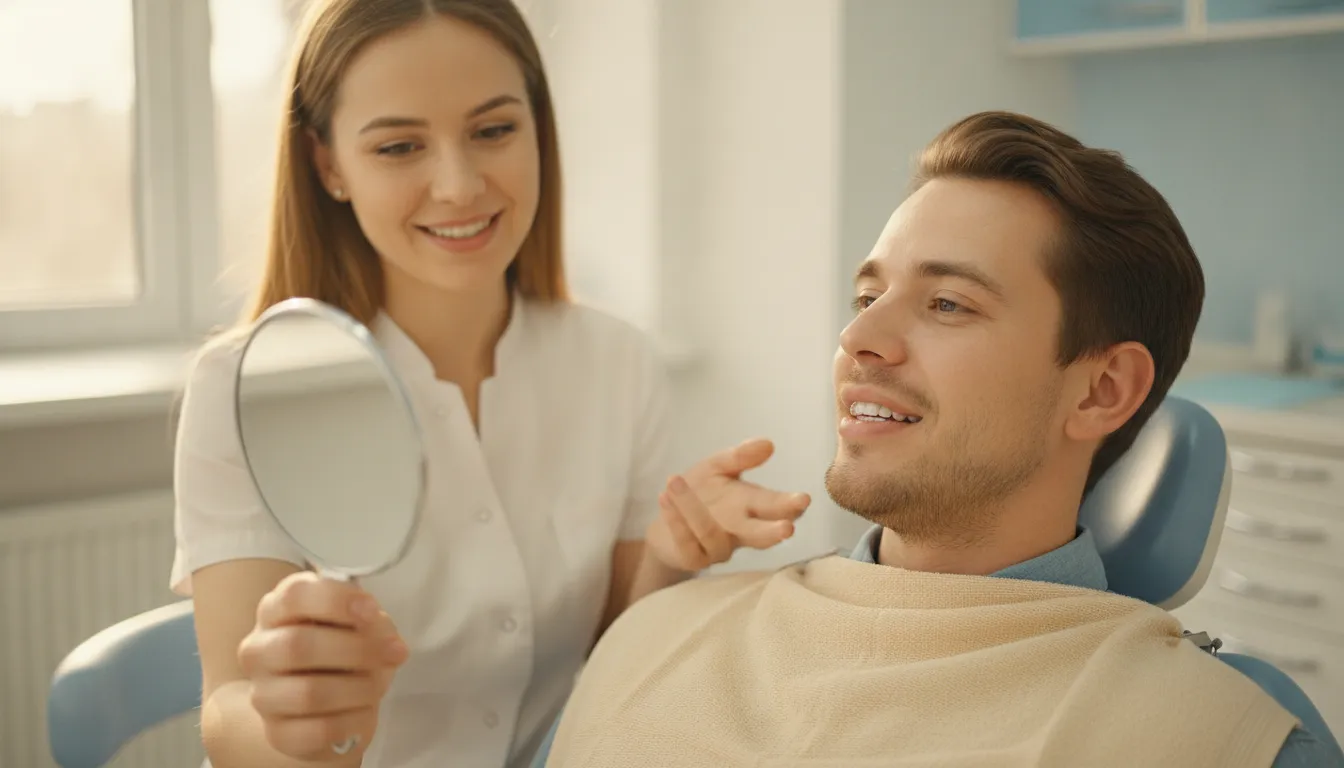
Common options include treatments that brighten, reshape, straighten, or repair visible teeth. Some plans use one procedure, while a smile makeover may combine several treatments in a carefully sequenced plan.
- Porcelain veneers: These thin, custom-made shells cover the front surfaces of teeth to improve their appearance. Veneers may be considered for concerns such as discoloration, uneven shape, or minor visible imperfections, and their materials are designed to reflect light in a natural-looking way. Read more about porcelain veneers.
- Professional teeth whitening: Whitening is a conservative option for patients who mainly want a brighter smile. The American Dental Association notes that whitening treatments can be effective for both extrinsic, or surface, stains, and intrinsic, or internal, staining. The best method depends on the cause and extent of discoloration. Explore professional teeth whitening options and safety considerations.
- Invisalign clear aligners: Invisalign uses a series of custom-fitted, removable aligners to gradually straighten teeth without traditional metal wires or brackets. Because the aligners can be removed for eating and cleaning, they may fit well into the routines of many adults and teens. Learn how Invisalign clear braces work.
- Dental bonding: Bonding uses a tooth-colored resin to repair or improve the appearance of chipped, cracked, or discolored teeth. It can be a practical choice when a patient wants to address a limited number of visible concerns. Compare the considerations in this guide to dental bonding versus veneers.
- Gum contouring: This procedure reshapes the gum line when uneven gums or a gummy smile affect the balance between the teeth and gums. Improving that balance can be part of a broader cosmetic plan when the gum line is an important part of the smile’s appearance. Learn more about gum contouring.
These procedures address different concerns, so the most suitable option is not always obvious from photographs or a single symptom. For example, whitening agents affect natural teeth, but tooth-colored restorations such as veneers and crowns do not respond to whitening agents. That distinction matters when planning treatment around existing dental work and can help prevent mismatched shades.
Cosmetic care can also overlap with restorative dentistry. Repairing a damaged tooth, replacing missing structure, or improving how teeth come together may support both appearance and oral function. In Hillcrest and Downtown San Diego, an in-person assessment gives you an opportunity to discuss your priorities. Review alternatives, and understand which combination, if any, fits your oral health and expectations.
The most natural-looking plan is an individualized one: your dentist should evaluate your teeth and gums. Listen to your goals, and explain the benefits and limitations of each procedure before treatment begins.
How Do You Get Cosmetic Dentistry Comfortably, Even with Dental Anxiety?
Patients who have postponed cosmetic or restorative care because of dental anxiety may have another option: a carefully planned smile treatment paired with comfort-focused sedation and clear communication.
For many people, the hardest part of improving their smile is not choosing between veneers, Invisalign, or whitening. It is making the appointment after years of avoiding dental care. Fear of discomfort, needles, sounds, or feeling out of control can make even an important consultation feel overwhelming. At Marcos Ortega DDS, oral conscious sedation is a key component of care for anxious patients who are considering cosmetic procedures. Your dentist can discuss whether sedation is appropriate for you, review your health history, and explain what to expect before treatment begins. Learn more about sedation dentistry and the comfort measures available.
Comprehensive cosmetic care in one San Diego practice
Comfort is only part of the experience. Patients also benefit from having several cosmetic services coordinated in one office. Marcos Ortega DDS provides porcelain veneers, Invisalign clear braces, and professional teeth whitening in-house, so treatment does not automatically require referrals to separate specialists. Depending on your goals and oral health, your plan may involve one procedure or a combination of services.
- Porcelain veneers are thin, custom-made shells designed to cover the front surface of teeth and improve their appearance.
- Invisalign clear braces use custom-fitted, removable aligners to gradually straighten teeth without metal wires or brackets.
- Professional teeth whitening may address both surface and internal tooth staining, although the right approach depends on the condition of your natural teeth and existing restorations.
This comprehensive approach can be especially helpful when anxiety has delayed care. Instead of repeating your concerns at multiple offices, you can discuss your smile goals, comfort needs, and treatment priorities with a team familiar with your overall plan. Cosmetic dentistry may also overlap with restorative care when damaged or worn teeth need attention for both appearance and function.
Experience that helps anxious patients feel heard
Marcos Ortega DDS has served San Diego for more than 34 years, with a focus on individualized, patient-centered care. Dr. Ortega’s background includes a UCSF DDS education and involvement with the American Academy of Cosmetic Dentistry. These credentials support a planning process that considers more than a single visual change. The discussion should include your dental health, facial features, preferences, comfort level, and realistic treatment options.
Patients in Hillcrest, Downtown San Diego, and nearby communities do not need to minimize their anxiety or feel embarrassed about past delays. Share what has made dental treatment difficult before the procedure is scheduled. A calm conversation, a clear sequence of visits, and an appropriate sedation plan can make it easier to move forward while keeping decisions in your hands. For more about the practice’s approach and background, visit the Marcos Ortega DDS about page.
What to Expect from a Cosmetic Dentistry Consultation
A cosmetic dentistry consultation should feel like a conversation, not a sales presentation. At Marcos Ortega DDS, the first step is understanding what you would like to change. What you already like about your smile, and what has made you hesitant about treatment. The practice offers free premium cosmetic dentistry consultations valued at $175 to $300, giving you an opportunity to explore appropriate options before deciding whether to move forward.
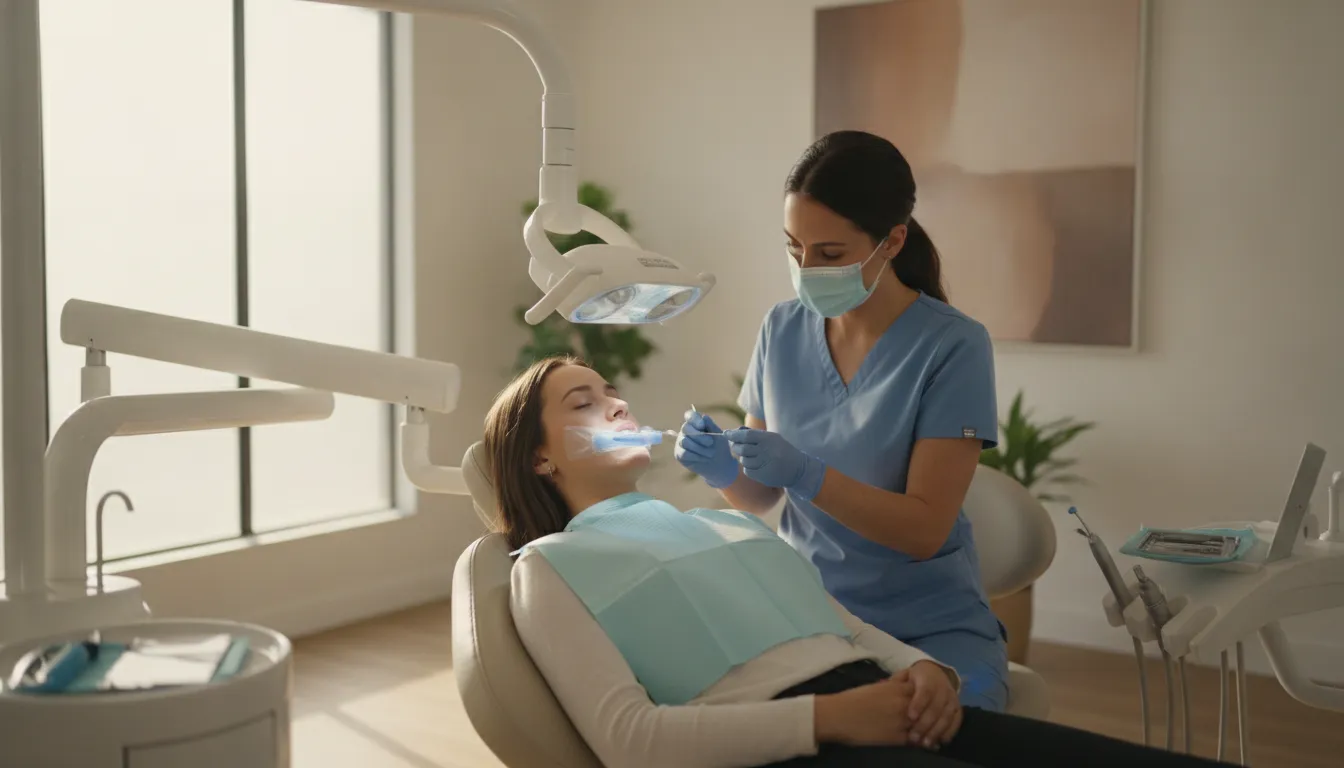
Your goals guide the conversation
There is no single smile design that is right for every patient. Your dentist will discuss your goals and consider your oral health, facial features, bite, existing restorations, and preferences. You may want to brighten discoloration, address a small chip, replace worn or damaged teeth, or consider a broader combination of treatments. The consultation helps distinguish what is technically possible from what is appropriate for your needs.
Depending on your concerns, the conversation may include options such as veneers, whitening, bonding, Invisalign clear braces, or restorative care with an aesthetic benefit. Treatment planning is individualized, and the final recommendation depends on an examination and your priorities. You should feel comfortable asking questions about alternatives, timing, maintenance, and what each option can and cannot change.
What happens during the consultation?
- Share your concerns and goals. Explain what you notice when you look at your smile and what you hope to improve.
- Review your dental health. The dentist considers your teeth, gums, bite, and existing dental work before discussing elective cosmetic procedures.
- Discuss suitable options. You can compare approaches based on your goals, comfort, appearance, maintenance needs, and overall treatment requirements.
- Build a personalized plan. If treatment is appropriate, the team outlines recommended next steps rather than applying a universal formula.
- Ask questions without pressure. You can take time to understand the plan and decide when, or whether, you are ready to proceed.
Patients who feel anxious about dental care can also discuss the practice’s comfort-first approach, including whether sedation dentistry may be suitable. Screening and treatment recommendations are based on your health history and the planned care. A thoughtful consultation should leave you better informed, even if you need time before making a decision.
Schedule your free consultation to discuss your smile goals with Marcos Ortega DDS.
How Long Do Cosmetic Dentistry Results Last?
Cosmetic dentistry results can last for many years, but there is no single expiration date for every treatment. Longevity depends on the procedure, your oral health, daily habits, and how consistently you attend regular dental visits. A treatment plan created around your teeth, bite, goals, and risk factors can help you understand what maintenance may be needed over time.
Porcelain veneers and dental bonding can remain attractive for many years with appropriate care. Veneers are custom shells that cover the front surfaces of teeth, while bonding uses tooth-colored resin to repair chips, cracks, or discoloration. Both can be affected by habits that place excessive force on the teeth, such as chewing ice or using teeth to open packages. Their condition should be evaluated during routine visits so small concerns can be addressed before they become more significant.
Teeth whitening is different because its effect naturally fades. Food, drinks, tobacco, and time can contribute to new staining, so whitening may require occasional touch-ups. The American Dental Association notes that whitening can address both surface and internal staining, but only natural teeth respond to whitening agents. Tooth-colored restorations, including veneers and crowns, do not lighten in the same way. Learn more about whitening from the ADA.
What Helps Cosmetic Results Last Longer?
Daily care protects both natural teeth and cosmetic restorations. Regular dental visits also allow your dentist to monitor your gums, bite, enamel, and restorations. The most useful habits include:
- Brush twice a day with a soft-bristled toothbrush and fluoride toothpaste.
- Floss or clean between your teeth daily to remove plaque that brushing cannot reach.
- Limit habits that can chip or stress restorations, including chewing ice, pens, or hard objects.
- Follow the recommended schedule for routine dental examinations and professional cleanings.
- Ask your dentist before using whitening products, especially if you have sensitivity, veneers, crowns, or other restorations.
Maintenance is part of the treatment, not an afterthought. If you are considering veneers, bonding, whitening, or another option, explore cosmetic dentistry services and discuss which approach fits your oral health and long-term goals.
Is Cosmetic Dentistry Covered by Insurance?
Insurance coverage for cosmetic dentistry depends less on how a treatment looks and more on why the treatment is needed. If a procedure is considered aesthetic-only, many dental plans will not cover it. However, a treatment that restores a damaged tooth, replaces missing structure, or improves function may receive partial benefits even when it also improves the appearance of your smile.
For example, some dental insurance plans may cover up to 50% of restorative treatments that also provide a cosmetic benefit, although this is not a guarantee of coverage. The percentage, annual maximum, deductible, waiting period, exclusions, and prior-authorization requirements vary by plan. A competitor source cites this potential level of coverage for restorative cosmetic treatments, but your own benefits documents and insurer must provide the final answer: review the source information about restorative cosmetic coverage.
Which treatments are more likely to have benefits?
A dental plan is generally more likely to consider coverage when a treatment addresses a documented health or functional concern. Depending on the circumstances and the terms of your plan, examples may include:
- Restoring a damaged tooth when a crown or another restoration is needed for strength and function.
- Replacing a missing tooth when restorative care is needed to support chewing and oral health.
- Correcting a functional problem when treatment affects bite, structure, or another dental-health concern.
By contrast, services intended primarily to change color, shape, or minor aesthetic details. Such as elective whitening or some veneer treatments, may be excluded even when they create a meaningful confidence benefit. The same procedure can also be evaluated differently depending on the diagnosis, documentation, and plan language.
How can you confirm your cosmetic dentistry benefits?
Start by asking your insurer whether the proposed procedure is covered, what portion is eligible, and whether preauthorization or supporting records are required. At a consultation, your dentist can evaluate your oral health, discuss your goals, and explain which options are restorative, cosmetic, or a combination of both. Do not make a treatment decision based on an assumed benefit amount. Schedule a consultation through Marcos Ortega DDS so your care plan and benefits questions can be reviewed before treatment begins.
Schedule your free cosmetic dentistry consultation with Marcos Ortega DDS. Or call (619) 295-4545 to discuss your smile goals.
Frequently Asked Questions
Which cosmetic dentistry procedure is right for my smile?
That depends on your goals, tooth condition, bite, and overall oral health. Whitening may address staining, while bonding can repair a small chip or discoloration. Veneers, Invisalign, gum contouring, or a combination may be considered when the concerns are broader. A dentist can compare the options after an exam and discussion of what you want to change.
Is cosmetic dentistry only about appearance?
No. Although many treatments focus on the smile’s appearance, restorative and cosmetic care can overlap. Repairing a damaged tooth may support its function as well as its appearance, and aligning teeth may help address bite-related concerns. The appropriate plan should consider both your oral health and your aesthetic goals.
How long do cosmetic dentistry results last?
Longevity varies by procedure, materials, habits, and the condition of your teeth. Many results can last for years when you maintain good oral hygiene, attend regular dental visits, and follow the care instructions for your treatment. Your dentist can explain the expected maintenance for the option you choose.
Does dental insurance cover cosmetic dentistry?
Coverage depends on the treatment and why it is recommended. Aesthetic-only services are often excluded, while a restorative procedure that also improves appearance may receive partial coverage under some plans. Ask your dental office to review the treatment plan and benefits before starting, because your plan’s terms determine your responsibility.
What should I look for in a cosmetic dentist?
Look for experience with the procedure you are considering, a careful consultation process, and a treatment plan built around your dental findings and goals. It is also reasonable to ask how the dentist manages comfort, what alternatives exist, and what maintenance will be needed. Clear answers can help you make an informed, no-pressure decision.
Schedule Your Cosmetic Dentistry Consultation
A personal consultation can help you understand which cosmetic dentistry options fit your smile, oral health, and goals. You can discuss your priorities, review possible treatments, and receive guidance tailored to your needs in a comfortable, no-pressure setting. Schedule a free cosmetic dentistry consultation at Marcos Ortega DDS.