
When a tooth is discolored, chipped, worn, or slightly uneven, whitening or orthodontics may not address the specific concern. Veneers are one cosmetic option, but choosing them involves understanding what will be changed, how much enamel may be prepared, and which material fits your goals.
Request a free, no-pressure cosmetic consultation in San Diego to discuss your veneer options.
What are veneers? They are thin, custom-made coverings bonded to the front surfaces of teeth to improve the appearance of their shape, color, or position. Depending on your needs, a dentist may discuss porcelain or composite resin. And treatment may help address concerns such as intrinsic staining, minor shape differences, chips, or worn edges. Veneers are not a substitute for orthodontic treatment when alignment problems are significant, and candidacy depends on your teeth, gums, oral habits, and expectations.
Understanding the material is a useful first step because porcelain and composite veneers differ in appearance, preparation, maintenance, and typical longevity. Those distinctions can help you have a more informed conversation about whether veneers suit your smile.
What Are Veneers Made Of?
Veneers are thin coverings designed for the visible front surfaces of teeth. They are most often made from either porcelain, a type of ceramic, or composite resin. Both options can be shaped and colored to complement the smile, but they differ in how they are fabricated. How much tooth structure may need to be prepared, and how they reflect light.
Porcelain veneers
Porcelain veneers are thin, custom-made shells of medical-grade ceramic that are bonded to the front surfaces of teeth. Porcelain has optical qualities that can closely resemble enamel. It is highly resistant to staining and can mimic the way natural teeth reflect light, which helps the result look less flat or opaque. The final appearance depends on the selected shade, the design of the veneer, the condition of the tooth, and the quality of the bonding process.
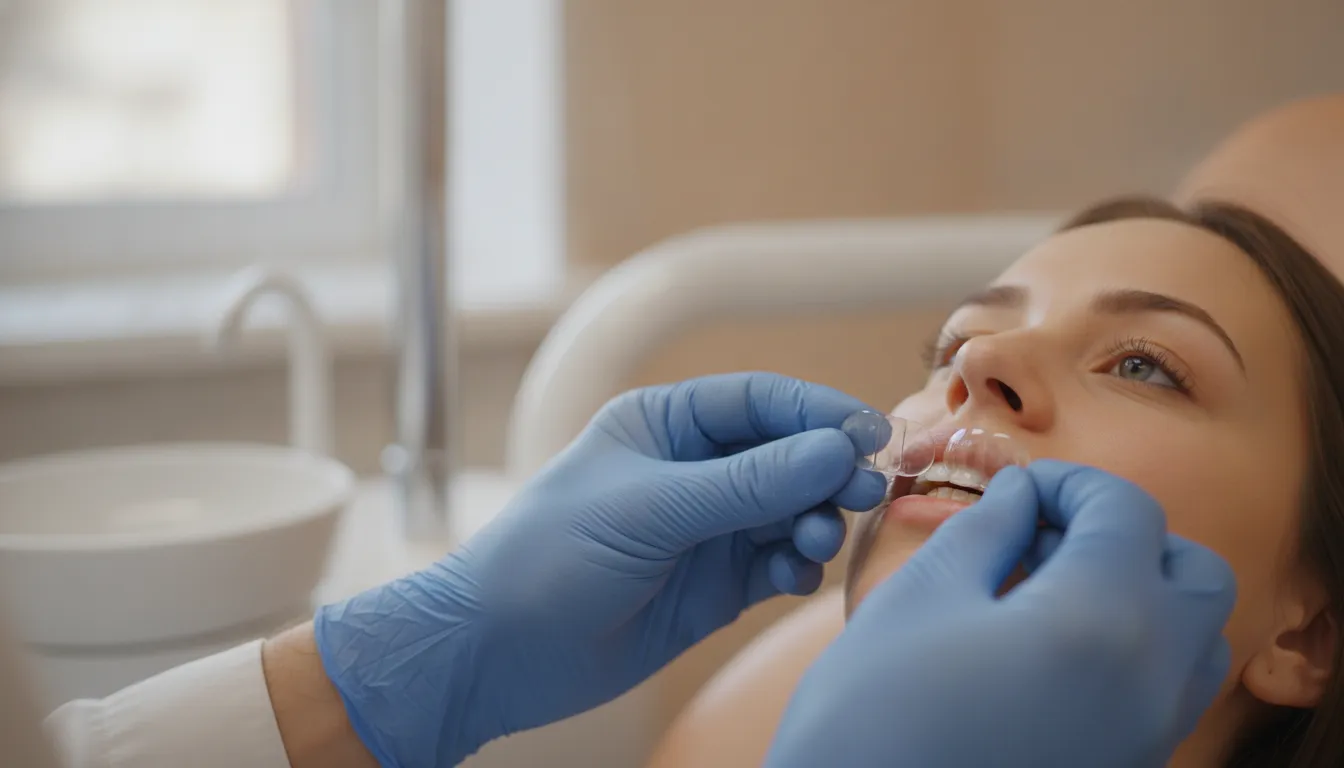
The term porcelain covers several modern ceramic families rather than one single formula. Depending on the treatment plan and laboratory approach, examples may include feldspathic ceramic, leucite-reinforced ceramic, lithium disilicate, and zirconia. These materials have different physical and optical properties, so material selection should be made after an evaluation of your teeth, bite, goals, and overall oral health. You can learn more about the treatment approach on our porcelain veneers service page.
Composite veneers
Composite veneers are made from tooth-colored resin, similar to the material used for certain tooth-colored fillings. The dentist applies and shapes the resin directly on the tooth, then hardens and polishes it. Composite may be a less expensive option and often requires less enamel removal than porcelain. That can make it a useful consideration for some patients, although the right choice depends on the tooth being treated. The desired change, the bite, and the condition of the surrounding enamel.
Composite and porcelain are not interchangeable simply because they can both improve the appearance of a tooth. Porcelain is fabricated as a separate shell, while composite is sculpted onto the tooth. A consultation allows the dentist to assess whether either material is appropriate and to discuss the tradeoffs without assuming that one option is best for every smile.
- Porcelain: ceramic shells bonded to the front of teeth, with strong light-reflecting qualities and high stain resistance.
- Composite: tooth-colored resin shaped on the tooth, often with a lower cost and less enamel removal than porcelain.
- Modern ceramics: material options can include feldspathic, leucite-reinforced, lithium disilicate, and zirconia ceramics.
- Material choice: depends on your tooth structure, bite, cosmetic goals, oral health, and treatment plan.
In short, veneers may be made from porcelain ceramic or composite resin. Porcelain offers a ceramic shell with natural-looking light reflection and stain resistance, while composite is shaped directly on the tooth and may involve less preparation. A dental evaluation is needed to determine which material fits your needs.
What Do Dental Veneers Fix?
Answer capsule: Dental veneers can improve the visible appearance of several front-tooth concerns, including chips, cracks, deep discoloration, small gaps, uneven shapes, and mild-looking misalignment. They mask or reshape the visible surface. They do not move teeth or replace orthodontic treatment when alignment problems are severe.
Veneers are designed primarily for the anterior teeth, the teeth that show when you smile. A dentist may consider them when the tooth is generally suitable for restoration but its color, contour, or position affects your smile. The goal is not to make every tooth identical. It is to create a balanced appearance that fits your facial features, bite, and overall oral health.
- Chips and small cracks: A veneer can cover visible damage on the front surface of a tooth when the tooth has enough healthy structure to support treatment.
- Deep or intrinsic staining: Veneers may mask discoloration that does not respond well to traditional bleaching, including some tetracycline-related staining. Ceramic veneers have been used for this purpose in conservative cosmetic restorations. Learn more about the clinical use of ceramic veneers.
- Small gaps: Carefully shaped veneers can make minor spaces between neighboring front teeth appear less noticeable. The correct approach depends on the size of the space and the health of the surrounding teeth and gums.
- Uneven or unusual tooth shapes: Veneers can add visual symmetry when front teeth are short, worn, irregularly contoured, or naturally malformed.
- The appearance of mild misalignment: Veneers can sometimes create the appearance of a straighter smile by changing the visible contour of the tooth. They do not move teeth into a new position.
- Worn or eroded front teeth: When the front teeth have lost visible contour from wear or erosion, veneers may be considered as part of a broader restorative plan.
What veneers cannot correct
Veneers cover the visible front surface, so they are not a treatment for severe crowding, major bite problems, significant tooth rotation, or underlying jaw alignment. They also do not remove the cause of tooth erosion, grinding, gum disease, or decay. Those conditions may need evaluation and treatment before cosmetic work is considered.
Because veneers can conceal a problem without changing the tooth’s position, a consultation should include an assessment of your bite, enamel, gums, and treatment goals. A dentist can explain whether veneers, orthodontics, bonding, whitening, or restorative care is the more appropriate route. For a closer look at how veneers fit into a larger smile plan, explore cosmetic dentistry options.
Who Is a Good Candidate for Veneers?
Veneers may be worth considering when your front teeth are generally healthy. You have enough sound enamel for bonding, and your goals are realistic and cosmetic rather than restorative.
They can be used to improve the visible appearance of front teeth affected by discoloration that does not respond well to bleaching. Small chips, changes in shape, minor spacing, or slight alignment concerns. Dental literature describes ceramic veneers as a conservative option for malformed, discolored, misaligned, fractured. Or worn anterior teeth, although the right treatment depends on the condition of each tooth. A review of ceramic veneer treatment also notes that veneers can create the appearance of straighter teeth without serving as orthodontic treatment.
What should be healthy before treatment?
A dentist will first look beyond the smile you want to change. Healthy gums and teeth provide a better foundation for cosmetic treatment. Active decay, untreated gum disease, significant cracks, or weakened tooth structure may need attention before veneers are considered. Veneers also involve preparation of the front surface. So your dentist must determine whether there is enough sound enamel to support a predictable bond while preserving as much healthy tooth structure as possible.
Good candidates are also prepared to care for their veneers like natural teeth. That includes brushing, flossing, attending recommended checkups, and avoiding habits that can damage the restoration, such as chewing ice or using teeth to open packages. If you clench or grind, mention it during your consultation so the dentist can consider how it may affect treatment planning.
When might another treatment be better?
Veneers can camouflage the appearance of minor alignment differences, but they do not move teeth or correct the underlying bite. Severe misalignment, substantial crowding, or bite problems may call for orthodontic evaluation first. Depending on your examination and goals, traditional orthodontics or Invisalign may be more appropriate than using veneers to create the appearance of straightening. Large areas of missing structure may also require a restorative option rather than a veneer.
At Marcos Ortega DDS, candidacy is determined through an in-person exam and a conversation about your priorities, oral health, and comfort. Dr. Ortega’s background and cosmetic dentistry experience can be explored on the practice’s About page. You can also learn more about the practice’s approach to cosmetic dentistry. A consultation does not guarantee a particular result, but it can clarify which options fit your smile and whether veneers are a sensible part of your plan.
How Are Veneers Placed? What to Expect
Veneer treatment is planned in stages so you can understand the proposed shape, shade, and treatment approach before anything is bonded to your teeth. The process is generally conservative, but it is not identical for every patient. Your dentist will tailor preparation and placement to your enamel, bite, oral health, and goals. At a sedation-friendly practice, the team can also discuss comfort options if dental treatment makes you anxious.

In general, placement moves from consultation to preparation, impressions or digital scans, fabrication, and careful bonding of the final veneer.
-
Discuss your goals and treatment plan
Your first appointment is a conversation as well as an examination. You can explain what you would like to change, such as color, shape, small chips, or the appearance of minor spacing. The dentist evaluates your teeth, gums, bite, and existing restorations, then discusses whether veneers are an appropriate option. This is also the time to compare porcelain and composite approaches, review the likely number of visits, and ask questions about comfort. A thoughtful plan helps ensure that the proposed result fits your facial features and functions naturally with your bite.
-
Prepare the front surface of the tooth
At the preparation appointment, the dentist removes a small amount of enamel from the front surface of the tooth. This creates room for the veneer and supports a natural-looking fit rather than adding unnecessary bulk. The amount of preparation depends on the veneer material, the starting position of the tooth, and the planned design. Because enamel removal is an important and generally irreversible part of porcelain veneer treatment, the decision should follow a careful examination and clear discussion of alternatives.
-
Record the design with impressions or digital scans
Once the teeth are prepared, the dental team records their shape and position with traditional impressions or digital scans. These records help guide the design and fabrication of custom veneers. Your dentist may also confirm the shade and make other design observations so the veneers coordinate with your surrounding teeth and smile. The laboratory then fabricates porcelain veneers according to the approved plan. In selected cases, composite veneers may be shaped and placed during the same visit instead of being sent to a laboratory.
-
Wear temporary veneers when needed
If laboratory-made veneers are being fabricated, temporary veneers may be placed while you wait for the final restorations. They protect the prepared surfaces and give you a preview of the general shape and appearance. Follow the care instructions provided by your dental team, and let the office know if a temporary feels loose, uncomfortable, or changes your bite.
-
Try in and bond the final veneer
At the final appointment, the dentist checks the veneer’s fit, shade, margins, and relationship with your bite before bonding it. Once the design is confirmed, the tooth and veneer are prepared, dental cement is applied, and the veneer is carefully bonded to the front surface. Excess material is removed, the bond is set, and your dentist checks how your teeth come together. Veneer placement should always be based on an in-person evaluation, since the appropriate preparation and material depend on your individual needs.
Process details can vary by tooth, material, and treatment plan. Source: Cleveland Clinic’s overview of dental veneers.
What Is the Downside to Veneers?
The main tradeoff is that traditional veneer placement usually involves removing a thin layer of enamel, so the treatment is not reversible. Veneers can be a useful cosmetic option, but they require a long-term commitment to maintenance, replacement planning, and careful evaluation.
Because enamel is removed to create room for the veneer and support a natural fit, the underlying tooth is permanently altered. That does not mean the tooth is replaced or that veneers are appropriate for every smile. It means your dentist should discuss the preparation involved, your oral health, and alternatives before treatment begins. The preparation process generally includes removing a small amount of enamel from the front surface of the tooth, followed by impressions and bonding.
Veneers May Need Replacement
Veneers are not a one-time investment that lasts indefinitely. Porcelain veneers may serve for many years, but they can eventually require replacement because of normal wear, damage, changes in the supporting tooth, or changes in your goals. The timing varies with the material, bite, oral health, habits, and daily care. A consultation should include a realistic discussion of the expected maintenance schedule rather than a promise of a specific lifespan.
Composite resin veneers are often less expensive and require less enamel removal than porcelain, which can make them worth discussing when cost or conservative preparation is important. However, composite may stain or wear more readily than porcelain. The choice involves more than the initial fee, so ask how each material fits your appearance goals, bite, budget, and willingness to maintain or replace the result.
Daily Habits Affect Longevity
Good home care supports the health of the natural teeth and tissues around veneers. Brush and floss normally, and keep regular dental visits so your dentist can monitor the veneers and the teeth beneath them. Avoid chewing ice, hard candies, or other hard objects, and do not use your teeth to open packages. These habits can contribute to chipping or fracture.
- Discuss enamel removal and whether the proposed treatment is appropriate for your teeth.
- Compare material options rather than judging the decision by the starting cost alone.
- Protect the investment with consistent brushing, flossing, and sensible food and chewing habits.
If you are considering veneers in San Diego, a no-pressure consultation can help you weigh the cosmetic benefits against preparation, upkeep, replacement, and cost. Treatment recommendations depend on an examination and your individual goals.
Porcelain vs Composite Veneers: Which Is Right for You?
Porcelain and composite veneers can both improve the visible shape and color of front teeth, but they are not interchangeable. The materials behave differently, and the best choice depends on your goals, enamel, bite, oral health, and long-term plans. A dentist can assess those factors before recommending an approach.
Porcelain vs Composite at a Glance
Durability and stain resistance
- Porcelain veneers: Strong ceramic material with high stain resistance and light reflection that can resemble natural enamel.
- Composite veneers: Tooth-colored resin can be repaired or adjusted, but it may be more susceptible to wear and staining over time.
Appearance
- Porcelain veneers: Custom-made ceramic can provide a detailed, natural-looking surface and translucency.
- Composite veneers: Can improve color and shape in a single material applied directly to the tooth.
Tooth preparation
- Porcelain veneers: Usually requires preparation of the front enamel to make room for the ceramic shell.
- Composite veneers: Often requires less enamel removal than porcelain, although preparation still depends on the case.
Cost
- Porcelain veneers: Usually the higher-cost option because it involves custom laboratory-fabricated ceramic.
- Composite veneers: Usually more affordable than porcelain, though the final fee depends on the number of teeth and treatment plan.
Typical lifespan
- Porcelain veneers: Often about 10 to 15 years with appropriate care, but individual results vary.
- Composite veneers: Typically shorter than porcelain, with longevity affected by bite forces, habits, hygiene, and maintenance.
Porcelain veneers are made from ceramic options that may include feldspathic, leucite-reinforced, lithium disilicate, or zirconia materials. The appropriate material is selected according to factors such as the tooth being treated, desired appearance, bite, and functional demands. Composite resin is applied directly and may offer a more conservative starting point when minimizing enamel removal or managing the initial cost is important.
Neither option is automatically better for every patient. Porcelain may suit someone prioritizing long-term stain resistance and a highly lifelike appearance, while composite may suit someone seeking a more accessible or less invasive approach. Your dentist should also evaluate gum health, enamel availability, tooth position, and habits such as clenching or chewing hard objects. Veneers require normal brushing and flossing, and avoiding ice or other hard objects can help reduce the risk of damage. See our porcelain veneers service page to learn more about the consultation process and available treatment planning.
The right answer to “what are veneers” is personal: veneers are an elective cosmetic treatment, and a careful examination is the starting point for comparing materials safely. A consultation can clarify what each option can and cannot accomplish for your smile without promising a specific result.
Frequently Asked Questions
What happens to teeth under veneers?
A dentist typically removes a thin layer of enamel from the front of the tooth so the veneer can fit naturally. The underlying tooth remains your own, but this preparation is permanent and should be considered carefully during the consultation.
Are veneers fake teeth?
No. Veneers are thin shells bonded to the visible surfaces of natural teeth. They do not replace an entire tooth like a dental implant or crown. The goal is to improve the appearance of teeth that may be discolored, worn, chipped, or irregularly shaped.
What is the difference between porcelain and composite veneers?
Porcelain veneers are custom-made restorations known for a natural-looking appearance and strong stain resistance. Composite veneers are shaped from tooth-colored resin and may require less enamel removal and a lower initial investment. Your dentist can compare the materials based on your enamel, bite, goals, and budget.
How long do dental veneers last?
Veneer service life depends on the material, bonding, bite forces, oral hygiene, and habits such as chewing ice or hard candies. Porcelain veneers are commonly described as lasting about 10 to 15 years with proper care, although individual results vary. Brush and floss normally, attend recommended visits, and ask how to protect them if you grind your teeth. Cleveland Clinic
What is the downside to veneers?
The main considerations are permanent enamel removal, the possibility of sensitivity, cost, and eventual maintenance or replacement. Veneers are not the right solution for every smile concern. An examination helps determine whether they are appropriate or whether another restorative or orthodontic option would better protect your oral health.
Ready to Explore Whether Veneers Fit Your Smile?
A consultation can help you understand which options may suit your goals, oral health, and preferences before you make a decision. Schedule a free, no-pressure cosmetic consultation with our Hillcrest and Downtown San Diego dental team to discuss your questions and next steps.