
Coffee, tea, red wine, and natural aging can gradually change the way your smile looks, even with consistent brushing.
Professional teeth whitening can brighten natural teeth under dental supervision, with the choice of an in-office treatment for faster results or dentist-provided take-home trays for a more gradual approach. The right option depends on your oral health, the type of discoloration, your schedule, and how you want to maintain your results.
At Marcos Ortega DDS, Dr. Ortega can evaluate your smile, explain what whitening can and cannot change, and tailor a plan around comfort and realistic expectations. Understanding how the treatment works is the first step toward choosing an approach that fits your needs.
How Professional Teeth Whitening Works in San Diego
Professional teeth whitening is a controlled process designed to improve the color of natural tooth enamel while accounting for your comfort and dental health. At a San Diego dental office, treatment begins with an evaluation of your smile, including the type of staining present and any areas that may need attention first. Surface stains from coffee, tea, wine, or tobacco may respond differently than discoloration within the tooth. A professional assessment helps set realistic expectations before treatment begins.
How the whitening gel breaks down stains
Whitening gels use peroxide-based ingredients, most commonly hydrogen peroxide or carbamide peroxide. These compounds break down into smaller molecules that can move through enamel and oxidize stain compounds, making them appear lighter. Research describes this oxidation process as the central mechanism behind dental bleaching (review of modern teeth-whitening concepts). The gel is selected and applied according to the treatment plan rather than used at random or left in place longer than recommended.
Professional products can use stronger or more precisely managed formulations than many drugstore kits. That does not mean stronger is automatically better for every patient. The appropriate concentration, contact time, and treatment method depend on your teeth, existing restorations, sensitivity history, and goals. Crowns, veneers, and fillings do not change color in the same way as natural enamel, so the dentist also considers whether whitening will create an uneven result.
What happens during an in-office appointment?
An in-office appointment generally takes about 60 to 90 minutes and is completed in one visit. The dental team prepares the treatment area, protects the gums and other soft tissues, and applies the whitening gel in carefully controlled stages. A light-activated system such as Zoom! can be used to activate the gel during the appointment. Marcos Ortega DDS offers Zoom! Teeth Whitening, and Dr. Ortega is Zoom! certified. The practice also provides custom take-home trays for patients who prefer a gradual approach or want a personalized maintenance option.
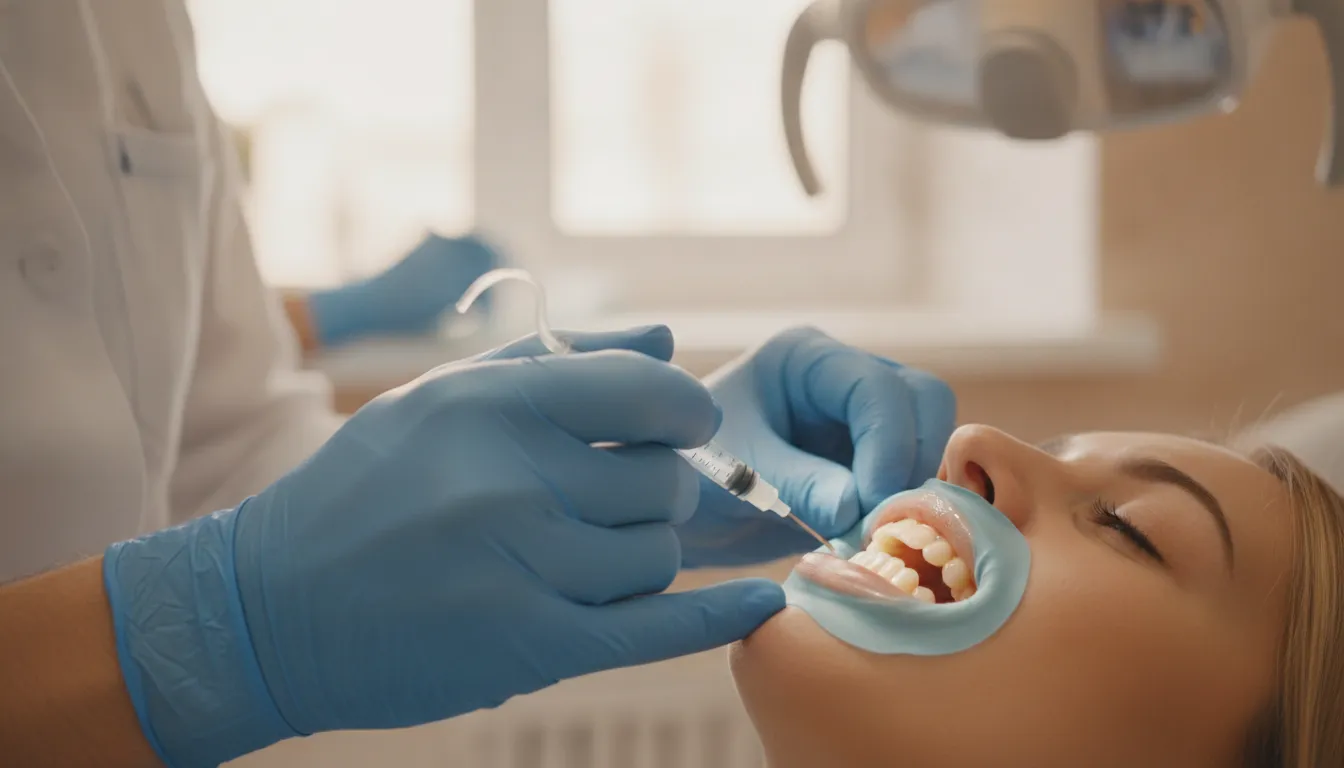
Results vary, but American Dental Association information reports that professional whitening can lighten teeth by up to eight shades in appropriate cases. This is a possible range, not a promise, and the outcome depends on the original shade and the cause of discoloration. Your dentist can explain what is reasonable after examining your smile.
Why supervision matters
Dentist supervision helps reduce the risk of improper application or overuse compared with unsupervised kits. It also gives the team an opportunity to identify cavities, gum concerns, exposed roots, or other sources of sensitivity before bleaching. Clinical guidance is especially useful when a patient has tried several products without a clear result or feels anxious about treatment. Professional whitening is generally considered safe when used under dental direction, although temporary sensitivity or gum irritation can occur.
To review your options, visit the professional teeth whitening service page or schedule a free cosmetic consultation at Marcos Ortega DDS. The consultation, valued at $175, allows Dr. Ortega to match the approach to your smile goals and comfort needs.
In-Office vs. Take-Home Whitening: Which Is Right for You?
Both options use professional materials and dentist-guided planning, but they fit different schedules and preferences. In-office Zoom! whitening is designed for patients who want a concentrated appointment and a visibly brighter smile in about one hour. Custom take-home trays are better suited to patients who prefer a gradual process they can work into their routine over one to three weeks or longer. Depending on their goals.
In-office and take-home whitening at a glance:
- Time to results: In-office Zoom! takes about one hour with an immediate outcome; custom trays are gradual, usually 1 to 3 weeks.
- Ideal for: In-office suits busy schedules or a near-term event; custom trays fit flexible routines and a gradual change.
- Supervision: In-office is completed in the dental office; custom trays are dentist-provided and used at home.
- Intensity: In-office is a concentrated treatment; custom trays use controlled applications you manage at home.
When in-office whitening may make sense
Zoom! is a light-activated professional whitening system available at Marcos Ortega DDS. The light helps activate the whitening gel during an appointment, allowing the treatment to be completed in approximately one hour. That concentrated format can be practical before a wedding, professional engagement, reunion, or other occasion when you want to see the result without managing multiple applications at home.
In-office treatment also provides direct oversight. Dr. Ortega is Zoom! Teeth Whitening certified, and the team can evaluate your teeth before treatment, discuss your goals, and account for factors such as existing sensitivity. The result is a structured experience rather than a one-size-fits-all kit.
Some patients also appreciate not having to remember when or how to apply gel. Others prefer to control the pace and pause between applications if their teeth feel sensitive. Neither approach is automatically better for every smile. A dental evaluation can identify whether surface staining is likely to respond well and whether any existing dental concerns should be addressed first.
When custom take-home trays may be a better fit
Take-home whitening uses trays designed for your unique teeth. A custom fit helps the gel maintain consistent contact with the tooth surfaces. While the gradual schedule lets you follow a plan around work, family responsibilities, and other commitments. Marcos Ortega DDS notes that desired results commonly require one to three weeks or longer, so this option may appeal to patients who value flexibility over speed.
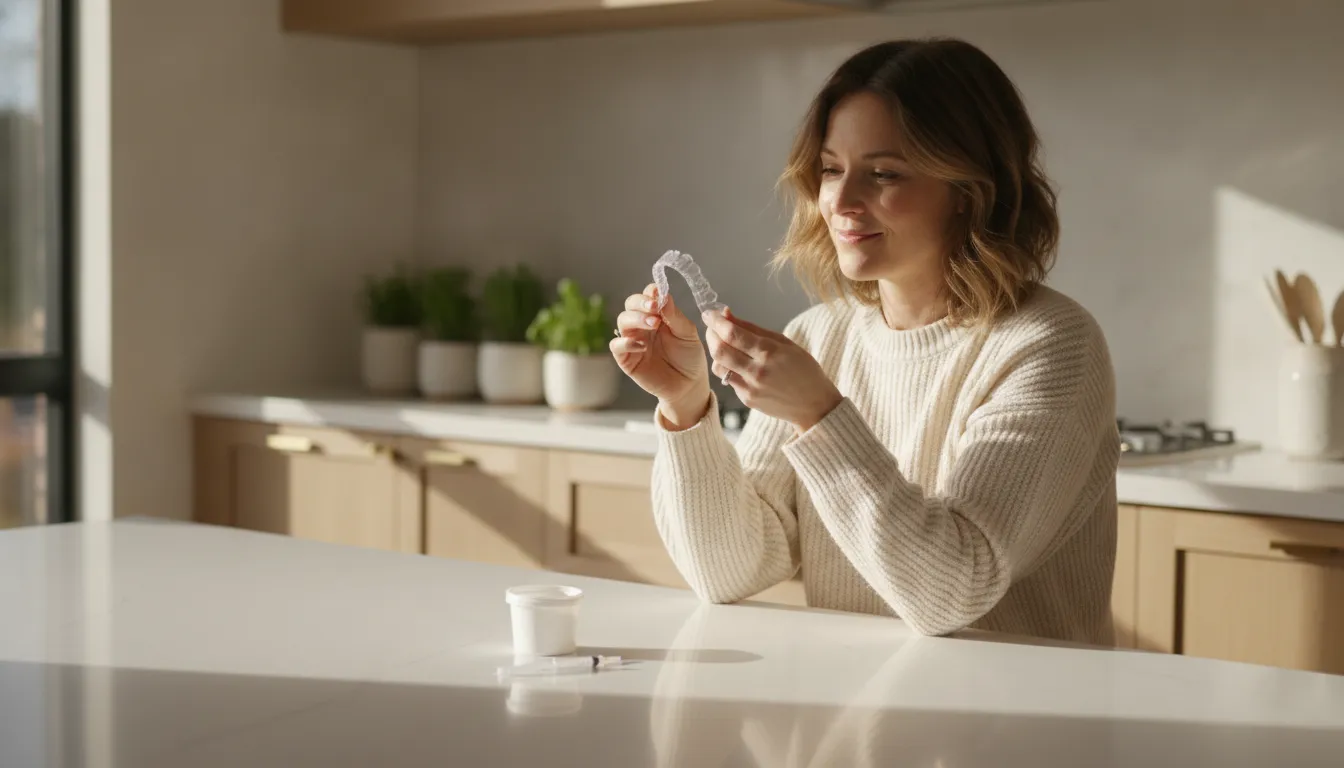
The right choice often comes down to your lifestyle, timing, and comfort preferences. Read more about professional teeth whitening methods, then discuss your smile goals with a dentist. A professional recommendation can help determine whether concentrated in-office care or a gradual custom-tray plan is the more appropriate starting point.
Is Professional Teeth Whitening Safe?
Professional teeth whitening is generally considered safe when a dentist evaluates your oral health, selects an appropriate treatment, and monitors how your teeth and gums respond. The goal is not simply to use the strongest available gel. It is to match the whitening approach to your enamel, existing dental work, sensitivity level, and smile goals.
Professional whitening products commonly use hydrogen peroxide or carbamide peroxide to break down stain molecules. Higher concentrations may produce faster changes, but they can also increase the likelihood of sensitivity. Dentist supervision helps make that tradeoff part of a planned decision rather than a guess based on an over-the-counter kit. Evidence reviews describe professional whitening as a safe option when used with appropriate clinical guidance. And the Mayo Clinic notes that several safe choices are available for whitening teeth.
What side effects can occur?
The most common concerns are temporary tooth sensitivity and irritation of the gum tissue. One cited estimate places these effects at about 30% of patients. That number does not mean whitening is unsuitable for everyone, and it does not predict exactly how you will respond. It does mean that sensitivity should be discussed before treatment and watched during and after the process.
Tell the dental team if you already experience discomfort with cold drinks, brushing, or sweet foods. They may recommend a different concentration, a gradual take-home approach, modified timing, or another plan based on your examination. Do not assume that stronger treatment is automatically better. A comfortable, measured plan is more useful than pursuing the fastest possible change.
Why is an examination important before whitening?
A professional exam can identify cavities, gum inflammation, enamel concerns, exposed root surfaces, or other issues that may be irritated by bleaching agents. It also helps determine whether the discoloration is likely to respond to whitening. Some stains develop within the tooth rather than only on its surface, so whitening may not address every type of discoloration equally.
Whitening is generally not recommended without evaluation for people with severe gum disease or significant tooth sensitivity. Treatment may need to wait until an underlying concern is addressed. The same careful assessment can identify restorations, such as crowns or veneers, that will not change color like natural teeth. This information helps prevent an uneven result and supports realistic expectations.
At Marcos Ortega DDS, a free cosmetic consultation can be used to discuss candidacy and options without pressure. The practice combines comfort-focused care with individualized planning, and its cosmetic dentistry services can be considered alongside whitening when a broader smile concern needs attention. A dentist can then recommend whether in-office treatment, custom trays, delayed treatment, or another option makes sense for your oral health.
How Long Do Professional Teeth Whitening Results Last?
Professional teeth whitening results commonly last from about six months to two years, but there is no guaranteed timeline for every smile. The length of time depends on the type of discoloration, your daily habits, your oral hygiene, and whether you use periodic touch-ups. A person who rarely consumes staining foods may enjoy a brighter smile longer than someone who drinks coffee throughout the day or uses tobacco.
It is also normal for teeth to gradually darken again. Whitening lifts or breaks down existing stains, but it does not stop new staining from developing. Natural aging and repeated exposure to dark-colored foods and beverages can slowly change the shade. Research notes that individual results vary, so a realistic goal is a noticeably brighter smile that can be maintained, rather than a permanent color change. Learn more about how tooth whitening results can change over time.
Which habits affect how long your results last?
Everyday choices have a meaningful effect on maintenance. Coffee, red wine, tea, cola, deeply colored sauces, and smoking can contribute to new surface staining. You do not necessarily have to avoid every favorite food or drink forever, but moderation and thoughtful aftercare can help protect your investment.
- Rinse with water after coffee, tea, wine, or other strongly colored drinks.
- Follow a consistent brushing and flossing routine, along with regular dental visits.
- Ask your dentist how to manage tobacco exposure, which can stain teeth and affect overall oral health.
- Use whitening products only as directed, rather than repeatedly bleaching when your smile begins to look slightly less bright.
Good oral hygiene will not prevent every stain, but it helps remove plaque and surface deposits that can make teeth appear dull. Routine dental care also gives your dentist an opportunity to identify a new discoloration that may need a different solution.
How do touch-ups and custom trays maintain professional whitening?
Touch-ups can refresh the shade when gradual staining becomes noticeable. For some patients, dentist-provided custom trays make maintenance more controlled because the trays are designed to fit the individual teeth and deliver consistent contact with the whitening gel. The timing and amount of touch-up treatment should be based on your dentist’s instructions, not a fixed schedule copied from someone else’s experience.
A consultation can also clarify whether additional whitening is appropriate. Existing fillings, crowns, and veneers do not respond to whitening in the same way as natural enamel, and deeper discoloration may require another cosmetic approach. If you are comparing options or planning around a budget, review our guide to teeth whitening cost in San Diego. The goal is a plan that fits your smile, habits, and expectations without promising more than treatment can deliver.
Who Is a Good Candidate for Professional Teeth Whitening?
A good candidate typically has healthy gums, sound enamel, and stains caused by foods, drinks, tobacco, or other external factors. These surface stains often respond well to professional teeth whitening when the treatment is selected and supervised by a dentist. A consultation is still important because a brighter smile depends on the type of discoloration, the condition of your teeth, and your goals.
The best candidates are patients whose teeth and gums are healthy enough for whitening and whose expectations match what bleaching can realistically change.
What can professional whitening improve?
Whitening is designed to lighten natural tooth structure. It may be a practical choice if your smile has gradually darkened or developed yellow or brown surface stains. However, not every dark spot has the same cause. Some discoloration is intrinsic, meaning it is within the tooth rather than only on the enamel surface. Intrinsic stains can respond less predictably to bleaching, so an examination helps determine whether whitening is likely to meet your expectations. Research on tooth whitening emphasizes that stain type and individual response can affect the result, and outcomes vary from patient to patient.
A dentist can also check for cavities, cracked teeth, gum concerns, worn enamel, or sensitivity before recommending treatment. Whitening products may irritate an untreated dental problem, and patients with significant gum disease or sensitivity may need care for those issues first. This evaluation is not meant to discourage cosmetic treatment. It is a way to make the plan more comfortable, appropriate, and consistent with your oral health.
Why fillings, crowns, veneers, and dentures matter
Bleaching changes natural teeth, but it does not change the color of tooth-colored fillings, crowns, porcelain veneers, or dentures. If a restoration is visible in your smile, whitening the surrounding teeth could create a shade difference. Your dentist can discuss whether whitening should happen before a new restoration is matched, or whether another cosmetic approach would provide a more balanced result.
For deeper or structural discoloration that does not respond well to bleaching, veneers may be a better option. They can address the visible shape and shade of selected teeth when the concern goes beyond surface staining. If you are weighing professional teeth whitening vs veneers, consider the cause of the discoloration, the number of teeth involved, and how much change you want. Veneers are not automatically the right choice, but they may offer a different solution when whitening has clear limitations.
At Marcos Ortega DDS in Hillcrest and Downtown San Diego, a free cosmetic consultation allows Dr. Ortega to evaluate your smile and recommend a plan suited to your needs. You can also explore the practice’s cosmetic dentistry services to compare options without committing to treatment. A personalized recommendation is especially valuable when you want a noticeable improvement but also want realistic expectations about what whitening can and cannot do.
How to Keep Your Smile Bright After Professional Whitening
Professional whitening can brighten a smile, but the result is not a permanent change to the way teeth respond to everyday foods, drinks, and natural staining. Teeth may gradually darken again over time, and the pace varies from person to person. Good habits can help you maintain your results and may reduce the need for frequent touch-ups. A simple aftercare routine is especially helpful during the first few days, when you are adjusting to your newly brightened smile.
- Limit staining foods and drinks for the first 24 to 48 hours. Coffee, tea, red wine, dark fruit, tomato-based sauces, and deeply colored spices can contribute to new surface staining. If you choose to have a dark beverage after this initial period, consider using a straw when practical and rinse with water afterward. The goal is not to avoid favorite foods forever. It is to give your smile a thoughtful start after treatment and make staining habits easier to manage.
- Return to consistent, gentle oral hygiene. Brush twice daily with a soft-bristled toothbrush and fluoride toothpaste, and clean between your teeth each day. This removes plaque that can make teeth look dull and supports the health of the gums around your smile. The Mayo Clinic’s dental care guidance emphasizes regular brushing, cleaning between teeth, and professional dental care as part of maintaining oral health. Whitening is cosmetic, but a healthy daily routine helps protect the overall appearance of your teeth.
- Use custom-tray touch-ups only as recommended. Dentist-provided trays are designed for your teeth and can deliver a more consistent contact time than an over-the-counter product. Marcos Ortega DDS offers professional take-home trays, which typically require one to three or more weeks depending on the desired result. Do not add extra applications or extend wear time on your own. Your dentist can recommend whether a touch-up is appropriate, how much gel to use, and when to stop if sensitivity develops.
- Pay attention to sensitivity or gum irritation. Temporary sensitivity can occur after whitening. If your teeth feel uncomfortable, follow the instructions provided by your dental team rather than trying to intensify or repeat treatment. Persistent or significant discomfort deserves a professional evaluation, particularly if you already have sensitive teeth, gum concerns, or untreated dental problems. A review can help distinguish a routine temporary response from an issue that needs care.
- Keep regular checkups on your calendar. Periodic dental visits help your dentist monitor your teeth and gums, identify new staining or dental concerns, and discuss whether maintenance whitening still fits your goals. Results can vary significantly, so a realistic plan may involve occasional touch-ups, changes to staining habits, or a different cosmetic option. If you are considering a maintenance plan in San Diego, you can review professional teeth whitening options with the Marcos Ortega DDS team and choose an approach based on your smile, schedule, and oral health.
Maintaining a bright smile is usually less about chasing a specific shade and more about steady care. With practical food and drink habits, consistent hygiene, dentist-guided touch-ups, and regular checkups, many patients can preserve their brightening results while keeping expectations realistic.
Schedule a free cosmetic consultation to find the right professional teeth whitening option for your smile.
Frequently Asked Questions
Is professional teeth whitening worth it?
For many patients, professional whitening is worthwhile when they want a brighter smile with dentist-guided treatment and more predictable results than many store-bought kits. The best choice depends on your staining, oral health, schedule, and goals. A dental evaluation can also identify stains that may respond better to another cosmetic treatment.
How long do professional teeth whitening results last?
Results may last from several months to a few years, depending on habits such as coffee, tea, red wine, tobacco use, and daily oral hygiene. Teeth can gradually darken again through natural staining, so your dentist may recommend maintenance or occasional touch-ups based on your smile.
Does professional teeth whitening damage enamel?
When performed under dental guidance, professional whitening is generally considered safe and does not permanently damage healthy enamel. Temporary sensitivity can occur. An examination before treatment is important because cavities, gum problems, or exposed tooth surfaces may need attention first. See guidance from the Mayo Clinic.
What is the difference between in-office and take-home whitening?
In-office whitening offers a faster, supervised appointment, while custom take-home trays provide a more gradual approach that fits your routine. At Marcos Ortega DDS, Zoom! in-office whitening can provide results in approximately one hour, while custom trays typically require one to three weeks, depending on your desired result.
Can I get professional teeth whitening if I have sensitive teeth?
Possibly, but sensitivity should be discussed before treatment. Your dentist can assess the cause, address underlying concerns, and adjust the whitening plan or recommend precautions. Patients with severe sensitivity or significant gum disease may need evaluation and treatment before whitening is appropriate.
Ready to Explore Professional Teeth Whitening?
A free cosmetic consultation can help you compare in-office Zoom! whitening with custom take-home trays and choose an approach that fits your smile, comfort, and goals. Dr. Marcos Ortega brings more than 34 years of experience serving patients in Hillcrest and Downtown San Diego, with cosmetic dentistry expertise and a comfort-first approach. As a Zoom! certified provider, he can discuss what professional teeth whitening may realistically achieve for you, including whether existing restorations or other factors should shape your plan.
Schedule a free consultation to compare your professional teeth whitening options.