
Teeth whitening can fit very different budgets, but the lowest sticker price is not always the most useful comparison. In San Diego, the right choice depends on how quickly you want to brighten your smile. Whether you prefer professional guidance, and what your dentist sees during an exam. Schedule a free cosmetic consultation to discuss your whitening options.
The teeth whitening cost may range from about $5 to $150 for over-the-counter products, $100 to $600 for dentist-prescribed take-home trays, or roughly $300 to $1,000 for in-office treatment. These are general ranges, not a personal quote. A dental evaluation can help determine which option fits your goals, existing restorations, and sensitivity concerns.
Understanding what each price range includes makes it easier to compare convenience, supervision, expected brightness, and maintenance. We will start with the local cost picture, then look at what can move your estimate up or down.
How Much Does Teeth Whitening Cost in San Diego?
The short answer is that teeth whitening cost depends mostly on the method, the level of staining, and whether you need an exam before treatment. Typical prices can range from about $5 for basic whitening toothpaste to $1,000 or more for certain professional in-office systems. These are general market ranges, not a guaranteed quote for treatment in San Diego. A dentist can recommend the option that fits your teeth and goals during a consultation.
Professional in-office whitening generally costs about $300 to $1,000 per session. Many dental practices charge roughly $400 to $800 for a standard treatment, while one national dental chain reports an average of about $449. The price may reflect the clinical evaluation, stronger whitening materials, professional application, protective measures for the gums, and the time reserved for your visit. Some systems are completed in approximately 60 to 90 minutes, although the actual appointment can vary.
Professional treatment is usually more expensive because it is dentist-guided and designed for a more controlled, noticeable change. It may be a practical choice for someone preparing for an event or wanting a faster result, but the best method depends on the cause of discoloration. Existing fillings, crowns, and veneers do not whiten in the same way as natural tooth enamel. So an assessment helps prevent paying for an approach that cannot address the appearance you want to change.
Dentist-supplied take-home trays typically range from $100 to $600. They can offer a more gradual option, with custom trays often used over several days. Over-the-counter products cost less upfront, but the range is broad:
- The overall OTC range is $5 to $150 for most store-bought whitening products.
- Commercial whitening strips often cost from $30 to $70 per box.
- LED home kits commonly range from $50 to $300.
- Whitening toothpaste is usually $5 to $15 per tube.
Lower cost does not always mean better value, and a higher price does not guarantee a result that suits you. Over-the-counter strips may fade within two to four months, while professionally guided results can last longer depending on diet, oral hygiene, and tobacco use. Before buying a kit or scheduling treatment, consider a fit assessment with a trusted Hillcrest dental team. Marcos Ortega DDS has served downtown San Diego for more than 34 years, and cosmetic consultations are free. Explore professional teeth whitening options, then confirm your expected cost and treatment plan at a no-pressure consultation.
What Affects the Cost of Teeth Whitening?
The price of professional whitening reflects more than the whitening product itself. Your treatment method, starting shade, goals, existing stains, and plans for maintenance can all change the recommendation. A dentist should evaluate your teeth and gums before treatment so your plan accounts for fillings, crowns, sensitivity, and the type of discoloration present.
Several cost-driving factors commonly shape an individualized estimate:
- Method and technology: In-office whitening uses professional materials and can lighten teeth by approximately five to eight shades in one appointment. A session commonly lasts about 60 to 90 minutes, which makes it a higher-cost option than a store-bought product. But it may suit patients who want a more noticeable change in less time. These figures are reported in the cost comparison information from Gentle Dental.
- Your desired shade: A modest refresh may require a different approach from a more dramatic cosmetic change. Your dentist can discuss what level of whitening is realistic for your natural teeth and whether existing restorations will need to be considered. Since crowns and fillings do not whiten like tooth enamel.
- The type of stain: Surface stains from coffee, tea, red wine, tobacco, or inconsistent brushing may respond differently from deeper discoloration caused by aging. Injury, medication, or changes that occurred while teeth were developing. Toothpaste can help remove some surface buildup, but it has limits and is not a substitute for a professional assessment.
- Touch-ups and treatment longevity: Dentist-guided whitening may last about six months to two years, depending partly on diet, oral hygiene, and tobacco use. By comparison, over-the-counter strips commonly fade within two to four months. The expected longevity can affect the long-term teeth whitening cost if you need periodic touch-ups. See this overview of whitening costs and longevity for the reported ranges.
- Follow-up maintenance: Regular brushing, flossing, dental cleanings, and limiting heavily pigmented foods and drinks may help preserve your result. Patients who maintain their habits may need touch-ups less often, while frequent exposure to staining foods, beverages, or tobacco can shorten the interval between treatments.
Why an evaluation matters before whitening
A consultation helps distinguish removable surface staining from discoloration that may need a different cosmetic or restorative solution. It also gives the dentist an opportunity to check for cavities, gum concerns, enamel wear, or sensitivity before selecting a whitening method. Professional peroxide-based whitening is generally considered safe when used properly, but temporary sensitivity and gum irritation can occur, as summarized in this review indexed by PubMed.
At Marcos Ortega DDS, a free cosmetic consultation can help you compare professional whitening options and understand which approach fits your smile, timeline, and maintenance preferences. The final recommendation and cost should follow an in-person dental evaluation rather than a one-size-fits-all price.
Professional In-Office Whitening: What You’re Really Paying For
The higher price of professional whitening is not only for a stronger product. It covers a controlled treatment planned around your teeth, gums, sensitivity history, and desired shade. In-office systems use peroxide under dental supervision, rather than asking you to estimate application time or placement at home. Mayo Clinic explains that dentist-guided whitening uses hydrogen peroxide and requires careful gum protection during treatment.
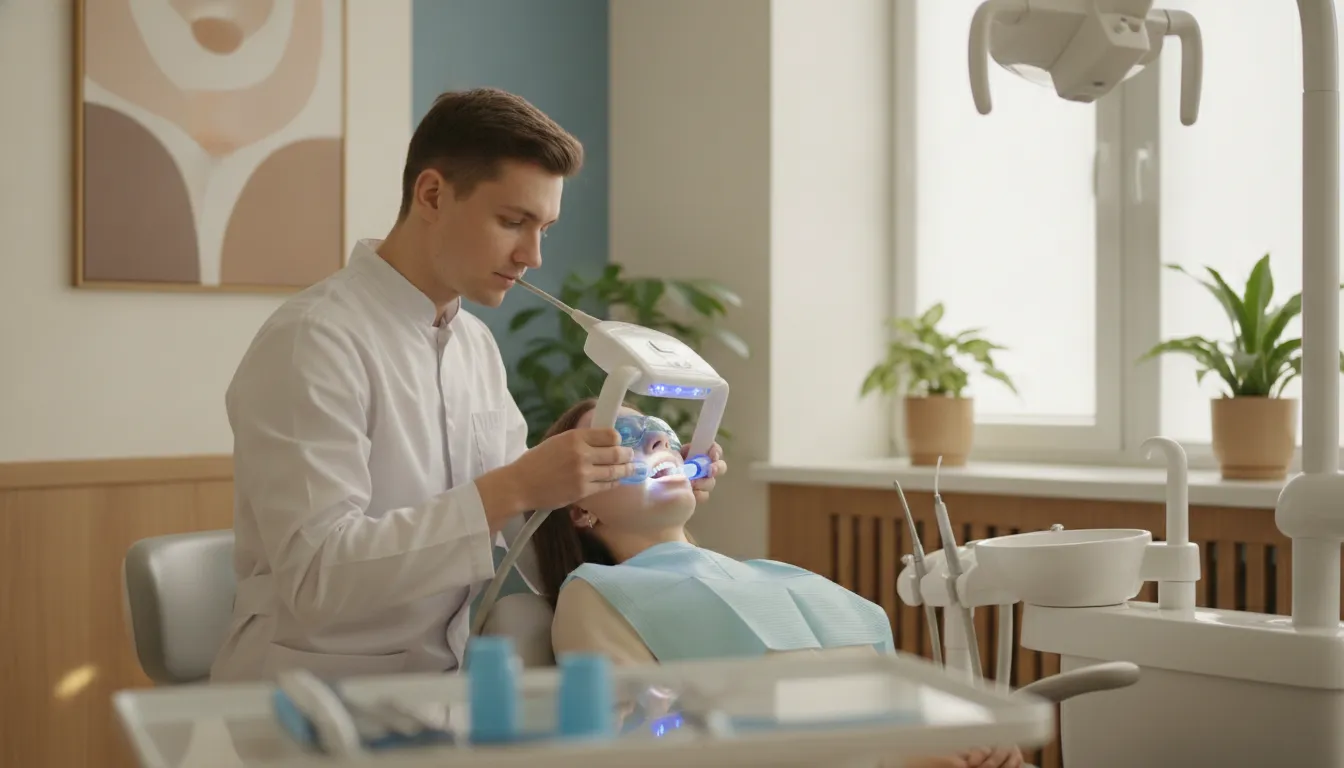
Typical pricing varies by practice, system, and the amount of discoloration being treated. Published estimates place standard in-office whitening around $400 to $800 per session, within a broader range of approximately $300 to $1,000. A dental-chain average has been reported near $449, while Zoom treatment is often quoted around $500 and laser whitening can range from $400 to $1,500. These figures are useful for understanding teeth whitening cost, but they are not a quote for your specific treatment.
| Option. | Typical Range. | What You Get. |
|---|---|---|
| In-office. | $300-$1,000. | Supervised peroxide, gum protection, sensitivity care, and faster visible change. |
| Take-home trays. | $100-$600. | Dentist-guided gradual whitening with custom-fit trays. |
| OTC products. | $5-$150. | Self-directed strips, toothpaste, or LED products with variable results. |
A more controlled whitening process
One advantage of an office visit is the opportunity to protect the soft tissues before whitening begins. The dentist or dental team can isolate the gums, apply the whitening material carefully, and monitor how your teeth respond. That supervision matters because peroxide-based whitening is generally considered safe when used properly, while temporary sensitivity and gum irritation remain possible side effects. Professional systems may also include desensitizing agents to help manage sensitivity, although no treatment can guarantee that every patient will feel the same way.
When speed matters
In-office whitening is often selected by patients who want a more noticeable change without committing to repeated daily applications. A typical visit usually follows a simple sequence:
- Your teeth and gums are examined and the target shade is discussed.
- The dentist isolates your gums to protect the soft tissues.
- A professional whitening gel is applied and activated during the session.
- Your dentist reviews the result and recommends the next steps for maintenance.
Published guidance describes a typical session as lasting about 60 to 90 minutes, and some sources report an approximate lift of 5 to 8 shades in one session. Results depend on the type and depth of staining, your natural tooth color, restorations. And other clinical factors, so the outcome should be discussed during an evaluation rather than promised in advance.
At Marcos Ortega DDS, a consultation can help determine whether in-office whitening, dentist-guided take-home trays, or another cosmetic option fits your goals. The practice has served downtown San Diego for more than 34 years, and you can review professional teeth whitening options before scheduling a free cosmetic consultation.
Take-Home Trays vs. Store-Bought Strips: A Cost Comparison
Take-home whitening trays and over-the-counter products can both fit a home-based routine, but their costs reflect different levels of personalization, supervision, and expected staying power. Dentist-prescribed custom trays typically cost $100 to $600, while store-bought options can start much lower. These are typical ranges rather than a guaranteed quote, since the final recommendation depends on your teeth, existing restorations, and whitening goals.
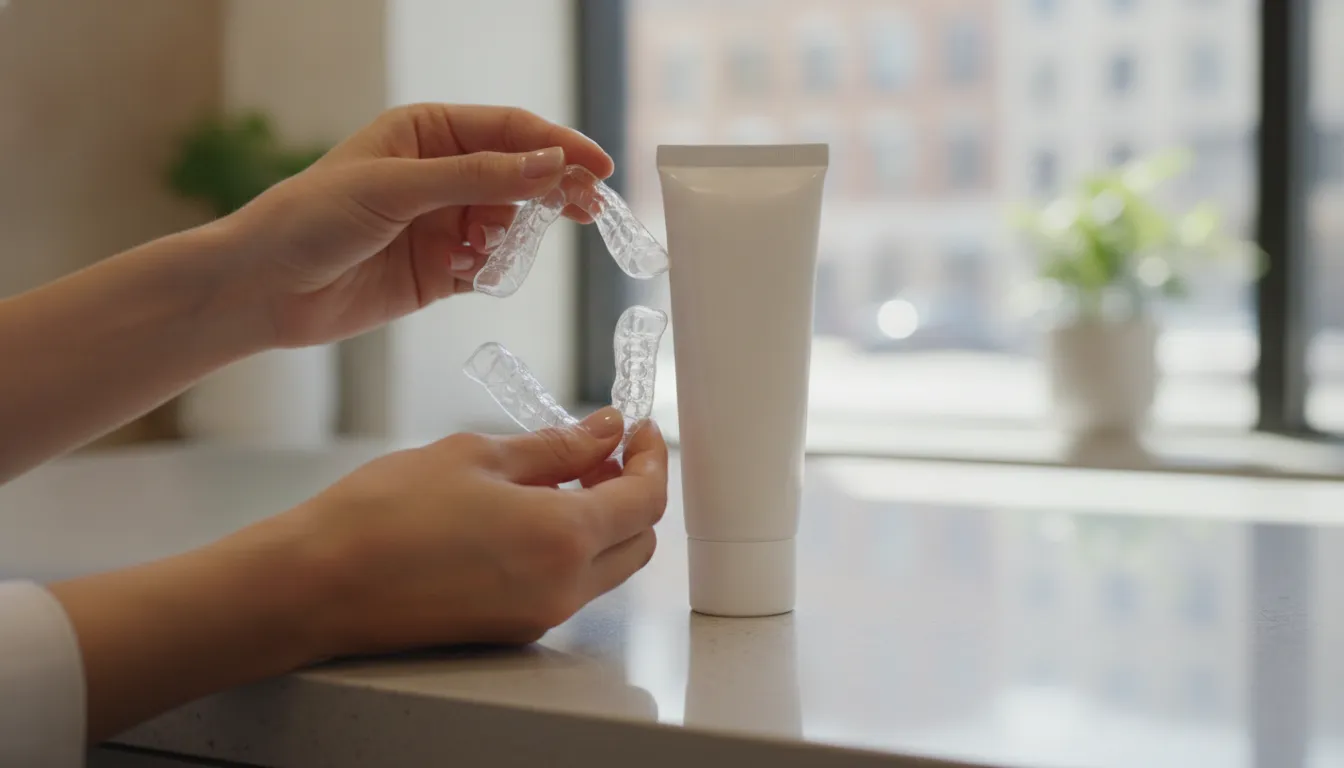
Here is how the common at-home options compare on typical cost and best use:
- Custom dentist trays: roughly $100-$600. The best fit for gradual, dentist-guided whitening with a personalized fit.
- OTC whitening strips: about $30-$70 per box. A good lower-cost starting point for mild surface stains.
- LED home kits: roughly $50-$300. A packaged home system for patients comfortable following directions closely.
- Whitening toothpaste: about $5-$15 per tube. Best for maintaining a brighter appearance and removing some surface staining.
Custom trays cost more than strips because they are made to fit your mouth and are used with dentist-selected whitening gel. The process is gradual. One commonly cited approach produces noticeable whitening over roughly five to seven days, while dentist-guided carbamide peroxide trays may show a more significant difference after about two weeks. Results from custom-tray whitening may last about two years, although diet, oral hygiene, tobacco use, and future touch-ups affect how long the shade remains stable. Sources: Aspen Dental and Mayo Clinic.
OTC strips are less expensive upfront, typically $30 to $70 per box, but their results often fade within two to four months. LED kits range from $50 to $300 and may appeal to people who prefer an all-in-one product. Whitening toothpaste is the least expensive choice at about $5 to $15 per tube, but it mainly addresses surface stains. It generally cannot change the natural color of a tooth or lighten deeper discoloration. Source: Mayo Clinic.
If budget is the main concern, starting with an OTC option can be reasonable. Mayo Clinic advises trying over-the-counter whitening first when cost matters, then discussing stronger choices with a dentist if the results are not sufficient. A dental evaluation is especially useful if you have sensitivity, gum concerns, fillings, crowns, or stains that do not respond to surface whitening. The most appropriate choice is not always the option with the lowest purchase price, but the one that fits your goals and can be used safely and consistently.
Is Professional Whitening Worth the Cost?
Whether professional whitening is worth the cost depends on what you want from your smile and how quickly you want to see a change. Store-bought strips and toothpaste are reasonable lower-cost starting points, especially if you have mild surface staining. Mayo Clinic recommends trying over-the-counter options first when cost is the main concern. If those products do not provide the result you want, a dentist can help you compare stronger, dentist-guided options. Schedule a free consultation to discuss your whitening goals without pressure.
Professional methods generally cost more because they are designed to be more effective and longer-lasting than nonprescription products. In-office treatment may be completed in a focused visit or series of visits, depending on the system and your needs. Dentist-prescribed take-home trays work more gradually, but they provide guidance and a customized approach. The right choice is not automatically the most expensive one. It is the option that fits your desired timeline, staining pattern, sensitivity history, and comfort preferences.
What are you paying for?
Professional whitening is an investment in more than the whitening material itself. It includes an evaluation, treatment planning, controlled application, and professional oversight. Peroxide-based whitening is considered safe and effective when used properly, although temporary sensitivity and gum irritation can occur. A review published in the Journal of Evidence-Based Dental Practice notes that these side effects are generally mild to moderate and transient: review the clinical evidence on peroxide whitening safety.
- More noticeable results: Professional systems tend to produce a faster and more dramatic change than many store-bought kits, although the result varies with the type and depth of discoloration.
- Supervised treatment: A dental team can assess your teeth and gums, protect soft tissues, and help identify situations where whitening may not address the underlying concern.
- Longer-lasting value: Professional results may last from six months to two years, depending on diet, oral hygiene, and tobacco use. By comparison, over-the-counter strips commonly fade within two to four months.
- Comfort planning: Your provider can discuss sensitivity risk and adjust the approach or recommend desensitizing support when appropriate.
Demand also reflects how much people value a brighter smile. Americans spend close to $2 billion on whitening products each year, according to CareCredit’s overview of whitening costs. That does not mean professional treatment is right for everyone, but it shows that patients often weigh appearance, timing, and confidence alongside the price.
At Marcos Ortega DDS, a free cosmetic consultation gives you a chance to ask what type of whitening may suit your smile and what maintenance could involve. The practice has served downtown San Diego for more than 34 years and provides cosmetic care in-house, including a full range of cosmetic dentistry options. A consultation can help you decide whether professional whitening offers enough value for your goals before you commit to treatment.
Does Dental Insurance Cover Teeth Whitening?
Most standard dental insurance plans do not cover professional teeth whitening because it is generally classified as a cosmetic procedure rather than treatment for a dental disease or injury. In practical terms, patients should usually expect to pay the cost of professional teeth whitening out of pocket. Coverage rules vary by plan, so it is still worth checking your benefits or calling your insurer before scheduling treatment.
Insurance may cover other dental services that improve oral health, such as an exam. Cleaning, or treatment for decay, but those benefits do not typically extend to whitening itself. A dentist may also recommend addressing cavities, gum concerns, or other oral health issues before whitening. That evaluation helps ensure the treatment plan is appropriate for your teeth and goals.
What if the full cost is not in your budget?
Not having insurance coverage does not necessarily mean you have to abandon your whitening goals. Some dental practices offer flexible payment or financing options for cosmetic services. Ask what is available before treatment begins, and make sure you understand the total price, any required deposit, and the payment schedule. A lower-cost store-bought product may also be an option for some patients, although results, fit, and comfort can differ from dentist-guided whitening.
The most reliable way to understand your options is a consultation. At Marcos Ortega DDS, cosmetic consultations are free, and the dentist can review your current tooth shade. Discuss your goals, and explain which approach may fit your needs and budget. An individualized quote is more useful than relying on a general online estimate because the recommendation can account for your oral health and the type of whitening you are considering.
Frequently Asked Questions
How much does professional teeth whitening cost in San Diego?
Professional in-office whitening commonly costs about $400 to $800 per session, although the final quote depends on the system used and your treatment plan. A dental evaluation helps determine whether whitening is appropriate for your teeth and goals.
What is the difference between in-office and take-home teeth whitening?
In-office whitening is performed under dental supervision and is designed for faster, more noticeable results. Dentist-prescribed take-home trays use professional-strength gel gradually over several days, giving you more control over the pace. The best choice depends on your schedule, sensitivity, budget, and desired change.
Does dental insurance cover teeth whitening?
Usually not. Teeth whitening is generally considered cosmetic, so standard dental insurance plans rarely cover it. Before scheduling, review your plan or ask the dental office whether any payment or financing options are available.
How long do teeth whitening results last?
Results often last from six months to two years, depending on diet, oral hygiene, and tobacco use. Over-the-counter strips generally fade sooner, often within two to four months. Regular cleanings and limiting stain-causing foods and drinks can help maintain your shade.
Can teeth whitening cause sensitivity?
Temporary tooth sensitivity or gum irritation can occur, especially when whitening products are used incorrectly. Peroxide-based whitening is considered safe when used properly, and a dental professional can recommend an approach suited to your oral health and sensitivity history.
Ready to Schedule Your Free Cosmetic Consultation?
A personalized consultation can help clarify which whitening approach fits your goals and provide a quote based on your needs, without pressure to commit. Marcos Ortega DDS can answer your questions about professional whitening and help you understand your options in San Diego. Schedule a free cosmetic consultation to get your personalized teeth whitening quote.