
If you have noticed blood when brushing or gums that look red and puffy, you may be asking, what is gingivitis? Gingivitis is inflammation of the gums, often related to plaque collecting around the teeth. It is an early form of gum disease, and signs can be mild. A dental professional can examine your gums and help determine what is happening.
What is gingivitis?
Gingivitis means the gum tissue is inflamed; it does not establish a diagnosis or explain the cause by itself.
Healthy gums generally fit closely around the teeth. When plaque, a soft film of bacteria and other material, remains along the gumline, the gums may become irritated. The American Academy of Periodontology describes gingivitis as the mildest form of periodontal disease and notes that gums may become red, swollen, and bleed easily. The Academy’s patient information on gum disease explains these common signs. Symptoms and their cause can vary, so an examination is the way to assess your own mouth.
Gingivitis is not the same as every type of gum problem. Bleeding, tenderness, or changes in gum appearance can have more than one explanation. A dentist may look at your gums, teeth, and oral hygiene routine, and may recommend cleaning or other care based on the findings. It helps to separate three questions: what you see, what may be causing it, and what care is appropriate. The first is an observation; the second and third require professional assessment.
When detected early, gum inflammation can often be managed with professional guidance and consistent home care. That does not mean every case resolves in the same way, or that home care replaces an exam. If you have concerns, a dental professional can help you understand next steps.
What signs can gingivitis cause?
Bleeding during brushing is a familiar sign, but it is not the only change worth noticing.
Possible signs include gums that appear red or darker than usual, swelling, tenderness, or bleeding when brushing or flossing. Some people notice changes gradually and feel little discomfort. The absence of pain does not confirm that gums are healthy, and bleeding does not prove that gingivitis is the cause.
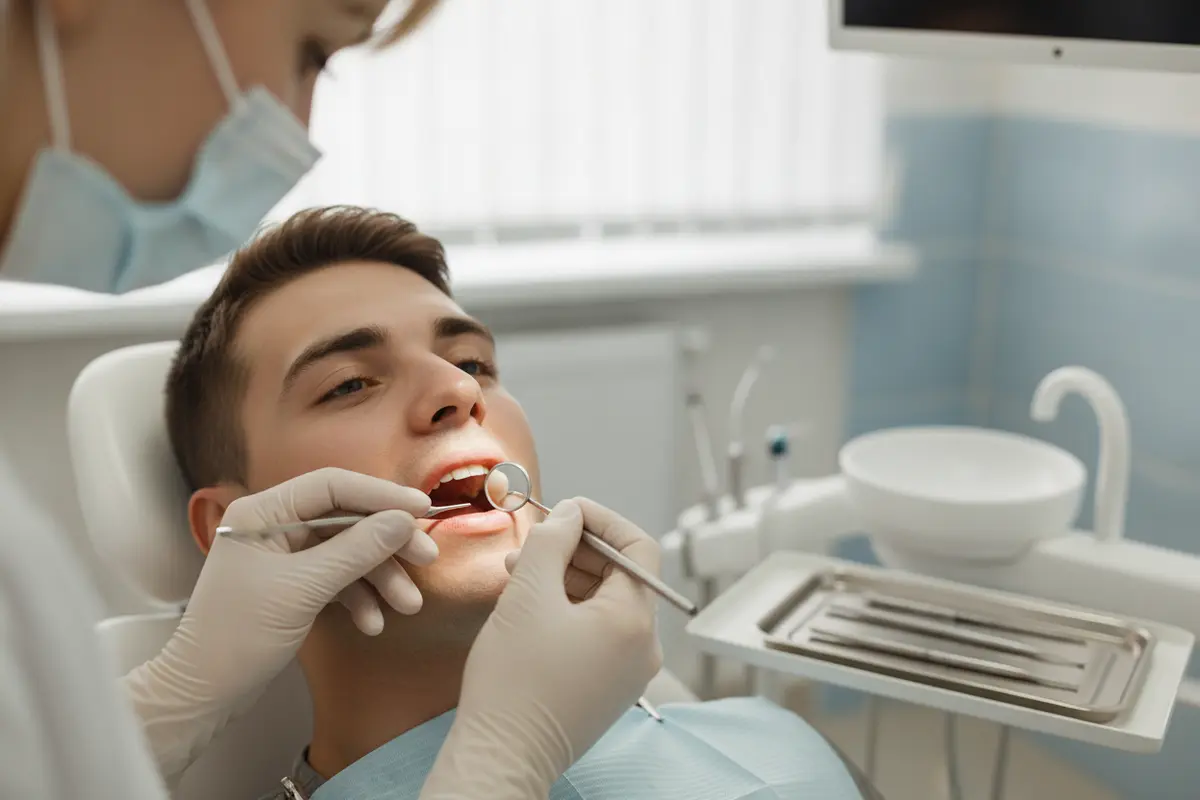
Pay attention to what is new, how often it happens, and whether the pattern changes. You might note which areas bleed, whether the gums feel sore, and whether symptoms occur during brushing, eating, or at other times. This information can help you describe your concern at an appointment.
- Bleeding: Notice whether it happens with brushing, flossing, or spontaneously.
- Color or swelling: Look for a change from your usual gum appearance.
- Tenderness: Note soreness or sensitivity near the gumline.
- Persistence: Consider whether the change continues despite careful daily cleaning.
These observations are not a substitute for an exam. Do not try to diagnose gum disease by appearance alone, and do not stop cleaning an area simply because it bleeds. If brushing or flossing is uncomfortable, ask a dentist or hygienist how to clean gently and effectively.
Why does gingivitis develop, and what can raise risk?
Plaque near the gumline is a common contributor, while personal circumstances and habits can affect gum health.
Plaque can build up where teeth meet gums, between teeth, and around dental work if these areas are difficult to clean. A consistent routine helps disrupt plaque, but brushing alone may miss tight spaces between teeth. Professional cleanings and individualized advice can help address areas that are harder to reach.
Some factors may make gum care more challenging or change a person’s risk. These factors do not mean that someone will develop gingivitis, and a list cannot determine an individual’s condition.
- Inconsistent brushing or cleaning between teeth.
- Dental appliances or crowded areas that make plaque removal difficult.
- Dry mouth or changes in saliva.
- Smoking or tobacco use.
- Some medications or health conditions that affect oral health.
- Hormonal changes that may influence gum response.
Share relevant health changes and medications with your dental team. Do not stop or change a prescribed medicine because of a gum concern; contact the prescribing clinician if you have questions. For people with medical conditions, a dentist may tailor advice to the individual situation.
How can you support gum health at home?
Gentle, regular cleaning and routine professional care are practical foundations; your dentist can tailor advice to your mouth.
Brush twice daily with a soft-bristled toothbrush and fluoride toothpaste, using gentle strokes at the gumline. Clean between your teeth once a day with floss or another tool recommended for your mouth. If a certain area is difficult to reach, ask your hygienist to demonstrate a technique rather than scrubbing harder.

- Angle the brush toward the gumline and use small, gentle movements.
- Clean the outer, inner, and chewing surfaces of each tooth.
- Use floss or an appropriate interdental cleaner to reach between teeth.
- Rinse and clean your toothbrush, then let it air dry.
- Keep scheduled dental visits and ask how often professional cleaning is appropriate for you.
Mouthwash may be useful for some people, but it does not replace brushing or cleaning between teeth. Ask your dentist whether a rinse is appropriate, especially if you have dry mouth, irritation, or use other oral products. Avoid aggressive brushing, which can irritate tissues; more pressure is not a substitute for good technique.
Consistency is more useful than trying to make up for missed care with an unusually vigorous cleaning. If your gums bleed, continue gentle daily cleaning unless a dental professional advises otherwise, and arrange an evaluation if the bleeding persists or concerns you.
Make the routine realistic
A routine that fits your day is easier to repeat. Keep a toothbrush and toothpaste where you usually get ready, and choose a time for interdental cleaning that you can maintain. If floss feels awkward, ask about another suitable tool rather than abandoning the step. A hygienist can show you how to adapt your technique around a bridge, orthodontic appliance, or tight space. The goal is careful daily cleaning, not force or perfection.
What should you expect at a dental evaluation?
An evaluation helps distinguish a gum concern from other causes and identify care suited to your needs.
A dentist or hygienist may ask when you first noticed the change, what symptoms you have, and how you clean your teeth. They can examine the gum tissue and consider your overall oral health. Depending on findings, they may discuss professional cleaning, home-care adjustments, follow-up, or further evaluation. Recommendations depend on exam findings, health history, and your goals.
For a general sense of how care may differ, the table below describes broad possibilities, not a personal treatment plan.
| Situation or goal | Possible next step | What to know |
|---|---|---|
| Routine prevention | Daily brushing and interdental cleaning | Technique and tools can be individualized |
| Persistent gum changes | Dental examination | An exam helps assess causes and needs |
| Plaque or deposits needing attention | Professional cleaning may be discussed | Recommendations depend on findings |
Before an appointment, jot down when you noticed the change, whether it is constant or intermittent, and which areas are involved. Bring a current medication list and mention relevant health changes. If you have recently changed toothbrushes, started a new oral-care product, or found a particular area difficult to clean, include that too. These details provide context; they do not replace the examination.
The practice provides general dentistry care in Hillcrest and Downtown San Diego. Learn more about the dental services available and Dr. Ortega’s background. Patients from nearby Mission Hills, Banker’s Hill, Park West, Middletown, and other San Diego neighborhoods can ask about an evaluation. Marcos Ortega DDS has served San Diego for more than 34 years and emphasizes individualized planning and patient comfort.
When should you schedule an evaluation?
Arrange a dental visit for ongoing or recurring gum changes, or sooner if symptoms are concerning or worsening.
It is reasonable to contact a dentist if your gums repeatedly bleed, remain swollen or tender, or look different from their usual appearance. You do not need to wait for significant discomfort. If you are unsure whether a symptom needs attention, calling the office to describe it can help you decide what appointment timing is appropriate.
Seek prompt professional advice for pronounced or worsening symptoms, or if you have a health condition that may affect healing or oral health. Facial swelling, fever, or trouble swallowing or breathing calls for urgent medical attention. This guide cannot assess urgency for an individual; when in doubt, contact a qualified clinician.
While waiting for an appointment, avoid trying to scrape deposits from your teeth or applying harsh products to the gums. Keep brushing gently and clean between teeth as comfortably as you can. If an oral-care product seems to cause irritation, stop using it and ask a clinician or dentist for advice. Do not use leftover prescription medicine or someone else’s treatment. These measures are not treatment for a condition, but can help you avoid adding irritation while you seek guidance.
Useful questions to take to your visit include:
- What could be contributing to the change I have noticed?
- What should my brushing and between-teeth routine look like?
- Are there tools that would make cleaning easier?
- How often should I return for professional care?
- When should I contact you again if symptoms continue?
Patients who feel uneasy about dental visits can tell the team when scheduling. Marcos Ortega DDS has a comfort-focused approach and sedation dentistry expertise; whether a comfort option is suitable depends on screening and individual circumstances. Review patient comfort information and patient forms before a visit. The office offers free parking, and an examination is still needed to make recommendations for your gums.
Contact the office to discuss an evaluation
Frequently asked questions
Is gingivitis the same as periodontitis?
No. Gingivitis refers to inflammation of the gums and is the mildest form of periodontal disease. Periodontitis is a more advanced condition involving damage to the supporting tissues; only a dental assessment can determine what condition is present.
Does bleeding gums always mean gingivitis?
No. Bleeding can have different causes. If it recurs or continues, arrange an evaluation rather than assuming the cause or ignoring it.
Can brushing harder stop gum bleeding?
Brushing harder is not recommended; forceful brushing can irritate the gums. Use a soft-bristled brush and gentle technique, clean between teeth, and ask a dental professional for guidance if bleeding continues.
Can I manage gum inflammation without seeing a dentist?
Good home care supports gum health, but it cannot identify the cause of persistent changes. A dentist can examine your gums and discuss whether professional care or follow-up is needed.
What should you remember?
Gingivitis is gum inflammation that may cause redness, swelling, tenderness, or bleeding, and plaque near the gumline is a common contributor. Gentle daily cleaning and professional guidance support prevention, while persistent or worsening symptoms deserve an evaluation. A dental professional can help you understand what is happening and choose appropriate next steps.