
If you have noticed sensitivity, a change in the shape of a tooth, or a smoother-looking surface, you may be wondering: what is dental erosion? It is the gradual loss of tooth structure when acids soften and dissolve the hard outer surface, called enamel. Erosion can have several causes, and early changes may be hard to spot on your own. Understanding the process can help you reduce repeated acid exposure and know when to ask a dentist for an exam.
What is dental erosion?
Dental erosion is chemical wear caused by acid, rather than tooth decay caused by bacteria in plaque.
Enamel is the hard outer covering that protects the visible part of each tooth. Acids can soften its surface. Saliva helps neutralize acids and supports the mouth’s natural recovery, but frequent or prolonged acid exposure can outpace that protection. Over time, softened enamel may be lost. Unlike a stain, lost tooth structure does not grow back.
Acid can come from food and drinks, such as citrus, soda, sports drinks, or frequent sipping of acidic beverages. It can also reach the mouth from the stomach, including with reflux or repeated vomiting. The pattern matters: a person’s overall health, habits, saliva, and oral care all affect risk. One acidic food or drink does not automatically mean a person has erosion.
Dental erosion is one form of tooth wear. Other forms include attrition, which can occur when teeth rub against each other, and abrasion, which can result from friction such as forceful brushing. These processes can overlap. A dentist evaluates the tooth surfaces and your history rather than assuming one cause from appearance alone. The American Dental Association’s overview of dental erosion describes it as acid dissolution of dental hard tissue not involving acids of bacterial origin.
What can cause acid-related enamel wear?
Repeated contact with dietary or stomach acids can contribute; the frequency, duration, and circumstances of exposure are useful clues.
Common dietary sources include soft drinks, energy and sports drinks, fruit juice, citrus fruits, vinegar-based foods, and sour candies. The amount and pattern of exposure matter. Sipping an acidic drink over a long period may keep teeth in contact with acid longer than having it with a meal. Swishing or holding a drink in the mouth can also prolong contact.
- Frequent acidic drinks: Regular sipping throughout the day can mean repeated acid contact.
- Acidic foods: Citrus, pickled foods, and other sour items may expose enamel to acid. They do not need to be eliminated automatically; frequency and timing can be discussed with a dentist.
- Stomach acid: Reflux, regurgitation, or recurrent vomiting can expose teeth to gastric acid. These concerns deserve discussion with a healthcare professional.
- Dry mouth: Reduced saliva may make it harder for the mouth to clear and buffer acids. Medicines and health conditions can be among the factors associated with dry mouth.
- Several factors together: Acid exposure alongside clenching, grinding, or abrasive brushing may make tooth wear more complex.
Do not stop a prescribed medicine or make a major diet change based only on a suspicion of erosion. If you have frequent reflux, vomiting, or persistent dry mouth, tell your dentist and speak with your medical clinician as appropriate. Addressing the source of acid may be part of protecting your oral health, but the right plan depends on the cause.
What signs might you notice?
Dental erosion may cause no obvious symptoms at first, so an exam can identify changes that are difficult to assess in a mirror.
Possible signs include sensitivity to cold, heat, sweet foods, or brushing; a change in tooth color or shape; or edges that appear thinner or more transparent. A tooth may look smooth or glossy, and small indentations or shallow depressions can develop on chewing surfaces. These signs are not proof of erosion. Sensitivity and appearance changes can have other explanations, including decay, gum recession, cracks, or normal variation.
Pay attention to changes over time rather than trying to diagnose yourself from a photo. Note which teeth feel sensitive, what seems to trigger it, and whether symptoms are new or persistent. If a tooth is painful, chipped, or increasingly sensitive, contact a dentist for individual guidance. Prompt assessment can help clarify what is happening and what options may be appropriate.
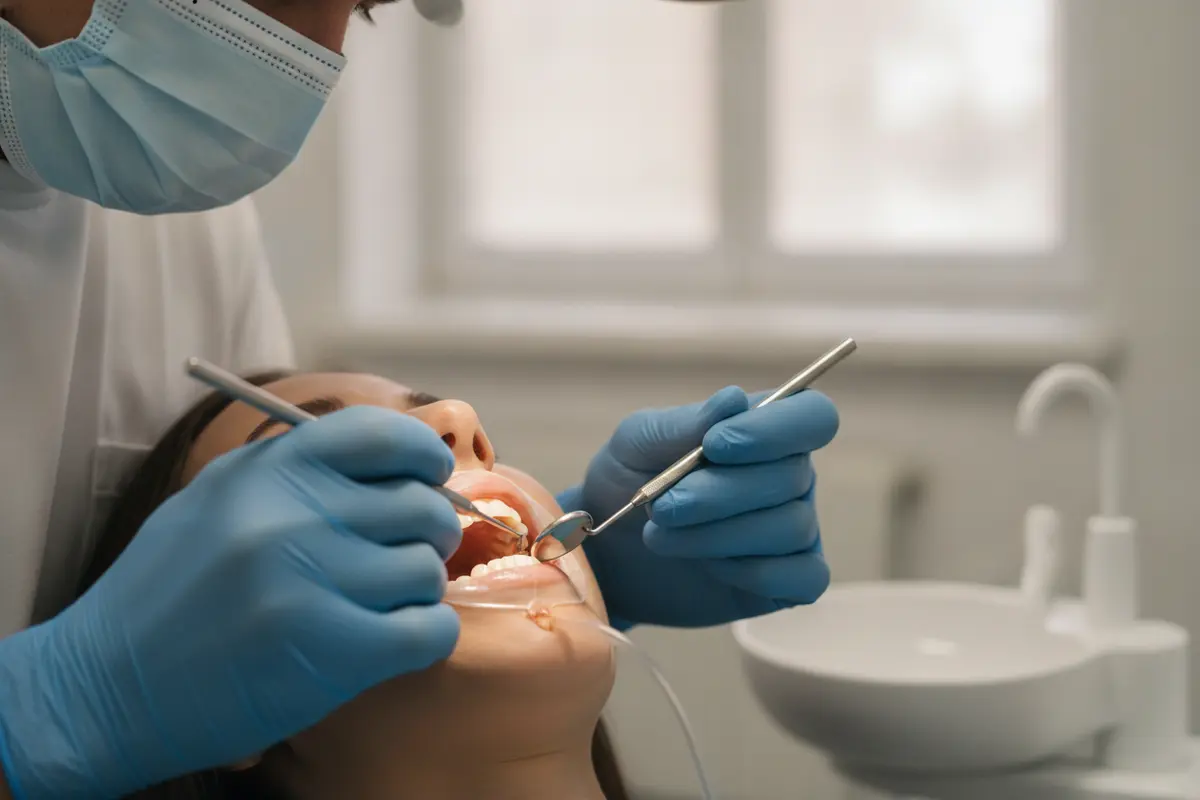
A dentist may look for patterns on different tooth surfaces and ask about diet, reflux, dry mouth, oral care, and symptoms. No single feature confirms the cause. For example, a change on the biting surface may have more than one possible explanation, so the dentist will consider your history and other findings. The goal is to understand the likely contributors and decide whether the area needs monitoring, prevention, or treatment.
How is erosion different from a cavity?
Both can damage teeth, but erosion is acid-related surface loss while cavities involve decay processes linked to bacteria in plaque.
Acid from foods, drinks, or the stomach can soften tooth material directly. Cavities develop when bacteria in plaque use sugars and produce acid that damages tooth structure. In everyday life, these processes may coexist, and a person cannot reliably distinguish them just by looking or feeling. A dental exam is needed to assess a suspicious area.
This distinction matters because the prevention plan may differ. Reducing frequent direct acid exposure can help address erosion risk, while cavity prevention also involves plaque control and limiting frequent sugar exposure. Good brushing and regular dental care remain important, but brushing harder is not a solution to acid-related wear. In fact, brushing immediately after acid exposure may be unhelpful when enamel has been temporarily softened.
For a helpful overview of acid exposure and prevention, see Better Health Channel’s guidance on dental erosion. It explains that acids can wear away tooth surfaces and notes prevention through diet and oral hygiene. These resources offer general education, not a personal diagnosis or treatment plan.
Why does the pattern of exposure matter?
How often and how long teeth are exposed may be as useful to discuss as the particular food or drink.
Consider two general patterns. One person has a glass of an acidic drink with lunch and then switches to water. Another keeps the same drink nearby and takes small sips through the afternoon. The second pattern can mean more frequent contact, even if the drink itself is identical. These examples do not predict whether either person has erosion; they simply show why a dentist may ask about timing and habits, not just a list of foods.
Stomach acid can create a different pattern. Reflux may occur without obvious symptoms, while repeated vomiting can cause more direct episodes of exposure. If either may be relevant, share it privately with your dentist. They can discuss oral-health steps, and your medical clinician can evaluate the underlying concern. Do not assume a tooth change proves reflux or alter medication on your own.
Saliva also matters because it helps clear and buffer acids. Dry mouth can have many causes, including some medicines and health conditions. Tell your dentist if your mouth often feels dry, if you need water to swallow dry foods, or if dryness is new. The information may affect prevention advice, but your care team will consider the whole picture rather than one symptom alone.
- Notice whether acidic drinks are sipped over a long period or consumed with a meal.
- Consider if dry mouth or reflux symptoms happen regularly, and make a note to discuss them.
- Look for manageable changes rather than trying to eliminate every potentially acidic food.
How can you reduce repeated acid exposure?
Small changes in timing and habits can limit how often teeth encounter acid, while preserving a balanced diet.
- Choose water between meals. If you have an acidic drink, avoid sipping it continuously for hours. Water can help rinse the mouth afterward.
- Have acidic items with a meal when practical. This can reduce the number of separate acid exposures compared with frequent snacking or sipping.
- Do not hold or swish acidic drinks. A straw may help limit contact for some drinks, but it does not remove the acid exposure.
- Wait before brushing after an acidic exposure. Rinse with water first and allow time for saliva to help restore the mouth’s balance. Ask your dentist for advice that fits your circumstances.
- Use a soft-bristled toothbrush and gentle pressure. Brush thoroughly with fluoride toothpaste, but avoid aggressive scrubbing.
- Discuss dry mouth and reflux. Your dentist can help consider oral-health steps, while a medical clinician can address underlying health concerns.
- Keep regular dental visits. An exam can help monitor changes and identify other causes of sensitivity or tooth wear.
These habits are practical starting points, not a guarantee against erosion. Someone who needs acidic foods for a health reason, has reflux, or has reduced saliva may need a tailored approach. Avoid rinses, supplements, or home remedies that promise to rebuild enamel. Once tooth structure is lost, home care cannot restore it. Prevention focuses on reducing further exposure and protecting the remaining tooth surface.
How might a dentist assess and manage it?
An individualized assessment looks at your teeth, symptoms, and possible sources of acid before considering monitoring or treatment.
At an appointment, the dentist may ask when sensitivity occurs, what you eat and drink, whether you experience reflux or dry mouth, and how you care for your teeth. The dentist can examine the enamel and other tooth surfaces and may use dental imaging when it is clinically appropriate. The findings, your oral health, and your goals guide next steps.
Management depends on how much structure is affected, whether symptoms are present, and whether the process appears active. A dentist may recommend preventive steps and periodic observation for early changes. For a more substantial defect, treatment might be discussed to reduce sensitivity, protect a weakened area, or restore tooth shape. Available options vary by tooth and situation; not every person with suspected erosion needs a restoration.
Use this simple comparison as a starting point for a conversation, not as a way to diagnose yourself:
| What you notice or know | Useful next step |
|---|---|
| Frequent acidic drinks or foods | Track timing and frequency; ask about practical changes. |
| Reflux, vomiting, or ongoing dry mouth | Tell your dentist and discuss the health concern with a medical clinician. |
| Persistent sensitivity or visible shape changes | Arrange an exam; other causes may need to be ruled out. |
| Sudden pain, a crack, or a chipped tooth | Contact a dentist promptly for advice on timing and care. |
If you are in Hillcrest, Mission Hills, Banker’s Hill, or elsewhere in San Diego, an appointment is a chance to ask what the exam shows and which steps are appropriate for you. Learn more about the practice’s Hillcrest dental care. Marcos Ortega DDS is an established San Diego practice with comprehensive care, and the team can discuss your concerns and comfort needs. You can also learn about general dentistry and preventive care, restorative dentistry, and the practice’s office and care approach.
What questions can help you understand a care plan?
A few focused questions can clarify what the dentist sees and whether the first step is prevention, observation, or treatment.
You do not need to arrive with a diagnosis. You can explain what you have noticed and ask for the findings in plain language. If a tooth looks different, ask which feature led the dentist to consider erosion and whether another cause is possible. If a recommendation involves a restoration, ask what it is intended to address and what alternatives may fit the tooth.
- Which areas show signs of wear, and how certain is the likely cause?
- Could sensitivity or a surface change have another explanation?
- Would you recommend monitoring, prevention, or treatment now? What would change that recommendation?
- Which home-care changes are most useful for my circumstances?
- When should I return, and what changes should prompt an earlier call?
Answers should be based on your examination, oral health, and goals. A second opinion may be reasonable if you are unsure about a significant treatment decision. You can also ask about comfort accommodations before the appointment; discussing concerns ahead of time helps the dental team understand what you need.
When should you schedule an exam?
Schedule an evaluation when sensitivity persists, a tooth’s shape or color changes, or you have a likely ongoing source of acid exposure.
Not every brief twinge signals enamel erosion, and the symptom alone cannot identify its cause. Still, it is worth arranging a dental assessment if the discomfort continues, worsens, or interferes with eating or brushing. Changes in the edges or surfaces of teeth are also a reason to ask for an exam, especially if they are progressing.
Contact a dentist promptly for significant or sudden pain, a broken tooth, or symptoms that make it difficult to eat or drink. If you have facial swelling, fever, trouble swallowing, or trouble breathing, seek urgent medical or dental guidance; breathing or swallowing difficulty requires emergency attention. These symptoms can have causes beyond erosion and should not be self-diagnosed.
Before your visit, you may find it useful to note:
- Which teeth feel different and when the symptom began.
- Whether hot, cold, sweet, sour, brushing, or biting seems to trigger discomfort.
- How often you sip acidic drinks or eat sour foods, without judging or changing everything at once.
- Any reflux, vomiting, dry mouth, medication changes, or relevant health concerns you want to discuss.
These details can help the dentist understand the pattern. Bring questions about what the exam shows, whether monitoring is reasonable, and how to protect the affected teeth. A clear explanation can make the next step feel more manageable.
Contact the office to discuss an evaluation
Frequently asked questions
Can dental erosion be reversed?
Lost enamel does not grow back. However, reducing ongoing acid exposure and following a dentist’s prevention plan may help protect the tooth structure that remains. Treatment for an area that has already changed depends on the extent of wear, symptoms, and exam findings.
Does dental erosion always cause sensitivity?
No. Early erosion may not cause noticeable symptoms. Sensitivity can also have causes other than erosion, so persistent or worsening discomfort should be assessed rather than treated as a diagnosis by itself.
Should I stop eating citrus or drinking coffee?
Not necessarily. A dentist can help you consider the frequency and timing of acidic foods or drinks in the context of your diet and oral health. Water between meals and avoiding prolonged sipping may be practical steps, but a personalized plan is best if you have health or nutrition needs.
Is erosion the same as tooth decay?
No. Erosion is direct chemical wear from acid that is not produced by bacteria. Tooth decay involves bacteria in plaque and other factors. The conditions may occur together, and an exam helps distinguish them.
What should I do if I think I have dental erosion?
Make a dental appointment if you notice persistent sensitivity or visible changes, and share any possible acid exposures or reflux concerns. Until you receive individualized advice, use gentle brushing, fluoride toothpaste, and water after acidic foods or drinks.
What should you remember?
Dental erosion is gradual acid-related loss of tooth structure, and its signs can overlap with other dental problems. Reducing repeated acid exposure and arranging an exam for persistent symptoms or visible changes are sensible next steps. A dentist can help identify possible causes and discuss a plan based on your teeth and health.