
Tooth sensitivity can turn a sip of cold water, a sweet snack, or routine brushing into a sharp, unwelcome feeling. If you are wondering how to relieve tooth sensitivity, begin with gentle oral care, a soft-bristled brush, and a note of what brings on the discomfort. These steps may make daily care easier, but they do not identify the cause. Sensitivity that returns, worsens, or affects one tooth should be discussed with a dentist.
What can you do now to ease tooth sensitivity?
Use gentle, low-risk measures while keeping up with daily cleaning and arranging care if symptoms persist.
Tooth sensitivity often feels like a brief, sharp response to cold, heat, sweet foods, brushing, or touch. A useful first step is to notice the circumstances rather than assume a cause. Try a few practical adjustments:
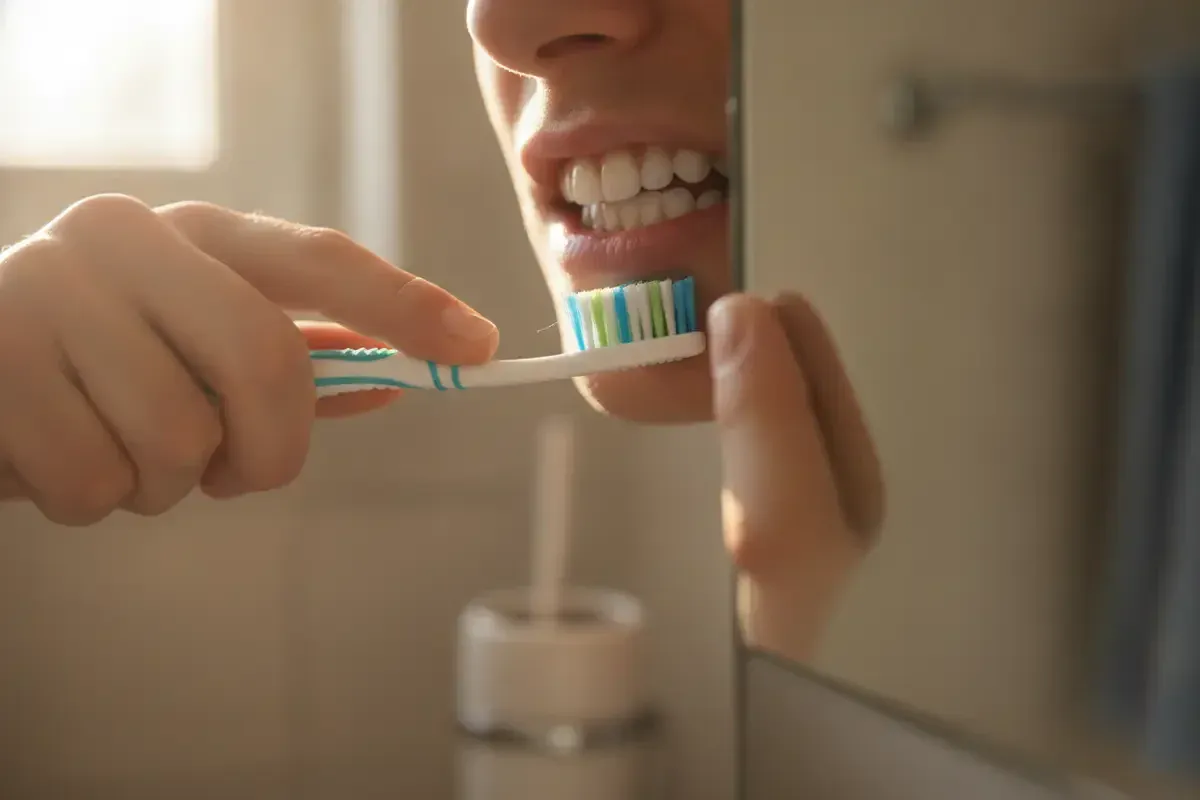
- Use a soft-bristled toothbrush. Choose a soft brush and hold it gently. Scrubbing harder does not make teeth cleaner and may irritate the gumline. The American Dental Association recommends a soft-bristled toothbrush and a gentler brushing technique as ways to reduce sensitivity-related tooth pain; see its tips for reducing sensitivity.
- Brush with light pressure. Let the bristles do the work. Move the brush carefully around the gumline and all tooth surfaces rather than bearing down on a single sore spot.
- Consider toothpaste made for sensitive teeth. Use it according to its package directions. Relief may take consistent use and varies by person. Do not apply a product directly to a tooth unless its label or your dentist instructs you to do so.
- Continue routine cleaning. Brush twice a day with fluoride toothpaste and clean between teeth as you normally would, unless your dentist gives different instructions. Avoiding the area can make it harder to keep the mouth clean.
- Make a temporary trigger adjustment. If very cold, hot, sweet, or acidic items bring on symptoms, choose a more comfortable alternative while you seek advice. This is a short-term comfort measure, not a diagnosis or treatment of the cause.
After brushing, follow the toothpaste label or your dentist’s directions. If you are unsure whether a product is appropriate for you, ask a dental professional rather than combining several products or using more than directed. Skip household remedies or placing aspirin, alcohol, or other substances against a tooth; these may irritate tissues and do not establish why the tooth hurts.
It can help to distinguish a temporary adjustment from avoiding care. Choosing a room-temperature drink for a day may reduce a trigger. Stopping brushing, repeatedly testing the tooth with ice, or waiting indefinitely because toothpaste seems to help can leave the underlying issue unexamined. If the discomfort continues or keeps returning, contact a dentist.
Why can teeth feel sensitive?
Sensitivity is a symptom, not a diagnosis; different conditions can produce similar sensations.
A tooth has protective outer layers, with more sensitive tissues beneath them. Discomfort may occur when a surface is worn or when an area closer to the inner tooth is exposed. Gum tissue, a filling, or another part of the tooth may also be involved. Symptoms alone do not show which explanation applies, so an examination may be needed to decide what to do.
Possible contributors include worn enamel, gum recession and exposed root surfaces, tooth decay, a crack, or a restoration that is worn or damaged. Recent dental treatment can sometimes be followed by temporary sensitivity, but the expected course depends on the procedure and the individual. If you have a new symptom after treatment, ask the treating dental office what is expected in your case.
Acidic food and drinks may also contribute to enamel wear over time. That does not mean you need to label a particular food as the cause or remove whole food groups. Instead, notice whether a repeated pattern appears and discuss it at an appointment. Brushing force, the location of the symptom, and whether pain occurs on biting are also useful details to report.
Because several causes can feel alike, do not assume that sensitivity simply calls for a stronger toothpaste. A dentist may examine the tooth and nearby gums, ask about your symptoms, and decide whether any further assessment is appropriate. Learn more about the practice’s general dentistry services and its approach to individualized care.
Which daily triggers should you watch for?
Look for a pattern, then make modest changes that reduce discomfort without replacing professional advice.
A short symptom record can make a visit more useful. You do not need to measure temperatures or keep a detailed food diary. Note what happened just before the sensation, which tooth or area seemed involved, and whether the discomfort stopped quickly or lingered. Record whether it happened once or repeatedly.
| What you notice | What to do next |
|---|---|
| Cold or hot food causes a brief response | Try a moderate-temperature option and note whether the same area reacts again. |
| Brushing bothers the gumline | Use a soft brush and light pressure; keep cleaning gently. |
| Sweet or acidic items bring on discomfort | Temporarily reduce the suspected trigger and rinse with water afterward. |
| Pain appears when biting | Avoid hard foods on that side and contact a dentist promptly. |
| Symptoms linger, recur, or grow stronger | Arrange an evaluation rather than relying only on home-care changes. |
This compact guide is for organizing your observations, not sorting symptoms into diagnoses. One person may react to a cold drink while another notices discomfort during brushing. A brief sensation that settles is different from pain that lasts or interferes with eating, but the pattern alone cannot determine the cause.

For example, if cold water causes one quick twinge in several teeth, you might use a less-cold drink and make a note of it. If a single tooth repeatedly hurts when chewing, that is a different pattern to report and should not be managed by avoiding that side indefinitely. If symptoms are hard to locate, say so; a dentist can ask follow-up questions and examine the area.
A useful note can be very simple: “Tuesday morning, cold water, upper left, brief, happened twice.” You can also record whether the sensation began during brushing, started after a meal, or appeared without an obvious trigger. Avoid repeatedly provoking the tooth to see whether it still hurts; deliberate testing does not clarify the cause and may make the day more uncomfortable. The aim is to preserve what you naturally notice, not to perform a home examination.
Try to describe the quality and timing in everyday words. Is it a quick sting, a dull ache, or discomfort that continues after the food or drink is gone? Does it happen only with temperature, or also with pressure when you chew? These distinctions do not diagnose a problem, but they can help your dentist decide what questions to ask and which area to examine. If several teeth feel sensitive, mention that too; the pattern may be different from a single tooth that reacts repeatedly.
How can you make a simple home-care plan?
A steady routine is easier to evaluate than changing several products and habits at once.
When discomfort is mild and there are no urgent warning signs, use a straightforward plan while you monitor what happens. The goal is to maintain oral hygiene and reduce obvious triggers, not to test home remedies or decide what condition you have.
- Start with your usual routine, gently. Brush in the morning and before bed with a soft-bristled brush and fluoride toothpaste. Keep pressure light and clean each area rather than scrubbing back and forth over the sensitive spot.
- Change one likely irritant at a time. If a very cold drink seems to trigger symptoms, try a moderate-temperature drink. If a specific acidic item repeatedly causes discomfort, choose an alternative temporarily. Changing only one factor makes it easier to tell what you observe.
- Use any sensitive-teeth product as directed. Follow the label consistently. Avoid using extra amounts or switching among multiple products at once unless your dentist recommends it.
- Keep a brief record. Write down the date, trigger, location, duration, and whether the symptom is improving, unchanged, or worsening. A few clear examples are more useful than trying to remember every meal.
- Set a point to call. If symptoms recur, persist, worsen, interfere with eating or cleaning, or involve one specific tooth, contact a dental office. Do not wait for a home-care experiment to run its course when discomfort is significant.
Keeping up with cleaning matters even when one area feels tender. If you cannot brush without substantial discomfort, ask a dental office for guidance rather than leaving the area uncleaned. Mention if you have a recent filling, crown, whitening treatment, injury, or change in your health or medication; that context may help the clinician understand the timing.
When should tooth sensitivity be checked?
Arrange an evaluation for recurring, worsening, or persistent sensitivity; seek prompt guidance for severe symptoms or pain after an injury.
Contact a dentist if sensitivity continues despite gentle care, returns often, affects one particular tooth, or makes it difficult to eat or brush. Pain when biting, a visible chip, or a recent injury also deserves prompt dental advice. A sensitivity product may reduce a symptom for some people, but temporary relief does not prove that the underlying issue has resolved.
Some symptoms require more urgent attention. Facial swelling, fever, or difficulty swallowing or breathing can signal a problem that should not wait for a routine dental visit; seek urgent medical care in those circumstances. For significant or rapidly worsening tooth pain, contact a dental professional promptly and describe what is happening so the office can advise you on next steps.
When you call, it is enough to say when the discomfort began, what triggers it, where you feel it, and whether it stops quickly or lingers. Also mention pain on biting, swelling, a recent injury, or treatment. If you are not sure whether the situation is urgent, explain the symptoms to the office rather than relying on a checklist to rule out a concern.
Patients in Hillcrest, Mission Hills, Banker’s Hill, Park West, Middletown, and Downtown San Diego can learn about the practice’s location and care for Mission Hills patients. The office serves San Diego and provides comprehensive dental care; an individual recommendation still depends on an evaluation.
What may happen during a dental evaluation?
The purpose of an evaluation is to understand your symptoms and findings before discussing options.
Your dentist may ask when the sensitivity began, how often it occurs, what sets it off, and whether the sensation is brief or lingering. The clinician may also ask about recent dental treatment, injuries, medicines, and relevant health information. Then the teeth and gums can be examined. Depending on what is found, additional assessment may be discussed.
Next steps vary. If the findings point to a home-care issue, your dentist may recommend adjustments to your routine. If a tooth or restoration needs attention, the dentist can explain the options and why they may be appropriate. Sometimes monitoring is discussed. The recommendation should be based on exam findings, oral health, and your circumstances; there is no single remedy suited to every sensitive tooth.
At Marcos Ortega DDS, the practice emphasizes patient comfort and individualized care. If dental visits make you anxious, mention that when scheduling so the team can discuss available comfort options and assess what may be suitable. Read about patient comfort options, or view the office tour to become more familiar with the setting. Dr. Marcos Ortega’s background is described on the practice profile.
The practice has served San Diego for nearly 40 years and offers comprehensive care. If you would like to understand the office before an appointment, the about page provides additional information. Patients who need access details can also review the practice’s accessibility features.
How can you prepare for an appointment?
A few specific observations and questions can help you make good use of the visit.
You do not need to arrive with a diagnosis or a perfect record. Bring what you have noticed, even if the pattern is unclear. Before the visit, consider writing down:
- When the sensitivity began and whether it has changed.
- Which area seems involved, or whether you cannot locate it precisely.
- What brings it on: temperature, sweets, brushing, touch, or chewing.
- How long the sensation lasts and how often it occurs.
- Any recent dental procedure, injury, visible change, or relevant health information.
- Products you have tried and whether they seemed to change the symptoms.
Bring a current medication list if relevant. Ask what you should do at home while waiting, which changes are sensible to continue, and when you should call again if symptoms change. If you feel nervous, tell the team when you book or arrive. Knowing what makes an appointment easier for you gives the dental team a chance to discuss comfort and explain the visit.
An evaluation is a chance to ask questions and understand possible next steps; it does not mean you have already chosen a particular treatment. You can ask the dentist to explain what the exam showed, what can be monitored, and what signs should prompt another call. For more information about the practice’s general care, see the general dentistry page.
Contact the office to discuss your symptoms
Frequently asked questions
Can sensitive-teeth toothpaste help immediately?
It may help some people when used regularly as directed, but the timing and degree of relief vary. If the problem persists or returns, ask a dentist to assess it rather than relying on toothpaste alone.
Should I stop brushing a sensitive tooth?
Usually, keep cleaning gently with a soft-bristled brush and fluoride toothpaste. Do not scrub or skip the area. If brushing is too uncomfortable, ask a dentist for specific guidance.
Does sensitivity always mean I have a cavity?
No. Several different issues can feel similar, and the sensation alone cannot identify the cause. A dental examination can help determine what is happening and whether treatment or a change in home care is appropriate.
Should I avoid every cold, sweet, or acidic food?
No. You can temporarily reduce an item that repeatedly triggers discomfort and choose an alternative, but broad food restrictions are not a substitute for finding the cause. Share the pattern with your dentist, especially if it continues.
When should I seek urgent help?
Contact a dental professional promptly for severe or worsening pain, pain on biting, or symptoms after an injury. Facial swelling, fever, or difficulty swallowing or breathing calls for urgent medical attention rather than waiting for a routine appointment.
What should you remember?
Gentle brushing, sensitive-teeth toothpaste used as directed, and a short record of triggers may help you manage discomfort while you decide on next steps. Because sensitivity has different possible causes, recurring, persistent, or severe symptoms should be evaluated so the advice can fit your exam findings and needs.