
A puffy cheek is common after a tooth extraction, and swelling may be most noticeable around the second day. The goal at home is to protect the blood clot, limit irritation, and give your body time to heal. Recovery varies with the extraction and your health, so follow the written instructions from your treating dentist first.
Call (619) 295-4545 if swelling after your extraction worries you
To learn how to reduce swelling after tooth extraction, use a cloth-wrapped cold pack for about 20 minutes on and 20 minutes off early on. Rest with your head elevated, choose soft foods, and skip smoking, straws, hard rinsing, and hard workouts. Cleveland Clinic notes that many people return to routine activities within 48 to 72 hours, but your dentist’s guidance takes priority.
Some swelling is expected, but it should follow a gradually improving pattern rather than become increasingly severe. Understanding what drives that response makes the day-by-day plan easier to follow and helps you recognize when a call to your San Diego dental team is the safer next step.
Why does your face swell after a tooth extraction?
Facial swelling after an extraction is usually your body’s normal inflammatory response as it protects and begins repairing the treated area.
Swelling does not mean the extraction failed. When the gum and the tissues around a tooth are treated, your immune system sends fluid and healing cells to the area. That response can make the cheek and jaw puffiness more noticeable on the same side as the extraction. Some swelling around the gums and the outer jaw is a normal side effect, according to the Cleveland Clinic’s tooth-extraction guidance.
The amount of swelling depends on the individual and on how much the tissues were involved. A longer or more involved removal generally gives the body more tissue to settle and repair. This is one reason surgical extractions, including lower wisdom-tooth removals, often cause more cheek or jaw swelling than a shorter extraction. It is a common pattern, not a way to judge whether your healing is on schedule.
Swelling may also be more noticeable when the area was already irritated or infected before treatment. That does not tell you what is happening in your own case. Follow the written instructions from your dentist. Contact the office if the swelling is severe, keeps growing, or does not match the pattern you were given.
A few common patterns can make swelling more likely.
- A longer procedure
- More handling of the surrounding tissue
- An infection that was already present
- Removal of a lower wisdom tooth
Those are patterns, not a diagnosis. Normal swelling should begin to settle as healing progresses. The visible puffiness can feel tight or tender, and it may be easier to notice when you look in the mirror or open your mouth. The Cleveland Clinic notes that swelling of the gums and outer jaw after tooth extraction should go away within about a week, although recovery varies. The next section explains the usual swelling timeline and what changes to watch for as the days pass.
How long does swelling last after a tooth extraction?
Answer: Swelling commonly builds during the first two to three days, then gradually improves over the next several days. This is a typical pattern, not a promise. Your treating dentist’s written instructions come first.
Swelling is part of the body’s normal inflammatory response after an extraction. The amount and timing can vary depending on how involved the extraction was and how your body heals. For a general overview, see this guide to normal swelling after a tooth extraction.
| Window | What swelling often does | What helps |
|---|---|---|
| First 24 hours | Swelling may begin and gradually become more noticeable. It is often limited around the extraction site and outer jaw. | Use a cold pack or ice pack wrapped in a thin cloth. A common instruction is 20 minutes on, then 20 minutes off. Rest with your head raised, and follow your dentist’s instructions. |
| Days 2–3 | Swelling commonly reaches its peak during this window. Cleveland Clinic notes that day three is often the hardest for discomfort. | Continue the care instructions you were given, keep your head elevated while resting, and avoid strenuous activity. Do not use heat during the first day; ask your dentist when to change from cold to warmth. |
| Days 4–7 | Swelling, discomfort, and any bleeding should generally start easing. Many people are back to a daily routine at about day five, although recovery varies. | Keep protecting the area as directed. Once your written instructions allow it, warm salt-water rinses may support healing. Avoid vigorous rinsing or spitting. |
| After a week | Many people have little visible facial swelling, and Cleveland Clinic says these side effects should go away within a week. The jawbone is still healing beneath the surface. | Continue any follow-up or cleaning instructions from your dentist. Jawbone healing takes several weeks, even when your face looks and feels close to normal. |
Call the treating dental office if swelling is getting worse after the third day instead of easing. Also call for a fever, pus, bleeding that does not stop, severe pain that medicine does not ease, or trouble breathing or swallowing. These signs need timely professional guidance rather than an adjustment to home care.
How do you reduce swelling after a tooth extraction with cold and warmth?
Use a wrapped cold pack during the first day or two, then ask whether moist warmth is appropriate after swelling has peaked. Your dentist’s written instructions take priority.
Swelling can be part of the normal inflammatory response after an extraction, and its amount varies from person to person. Cold is most useful early because it helps limit how much swelling develops. Apply it to the cheek on the treated side rather than directly to the extraction site.
Use a cold pack during the first 24 to 48 hours
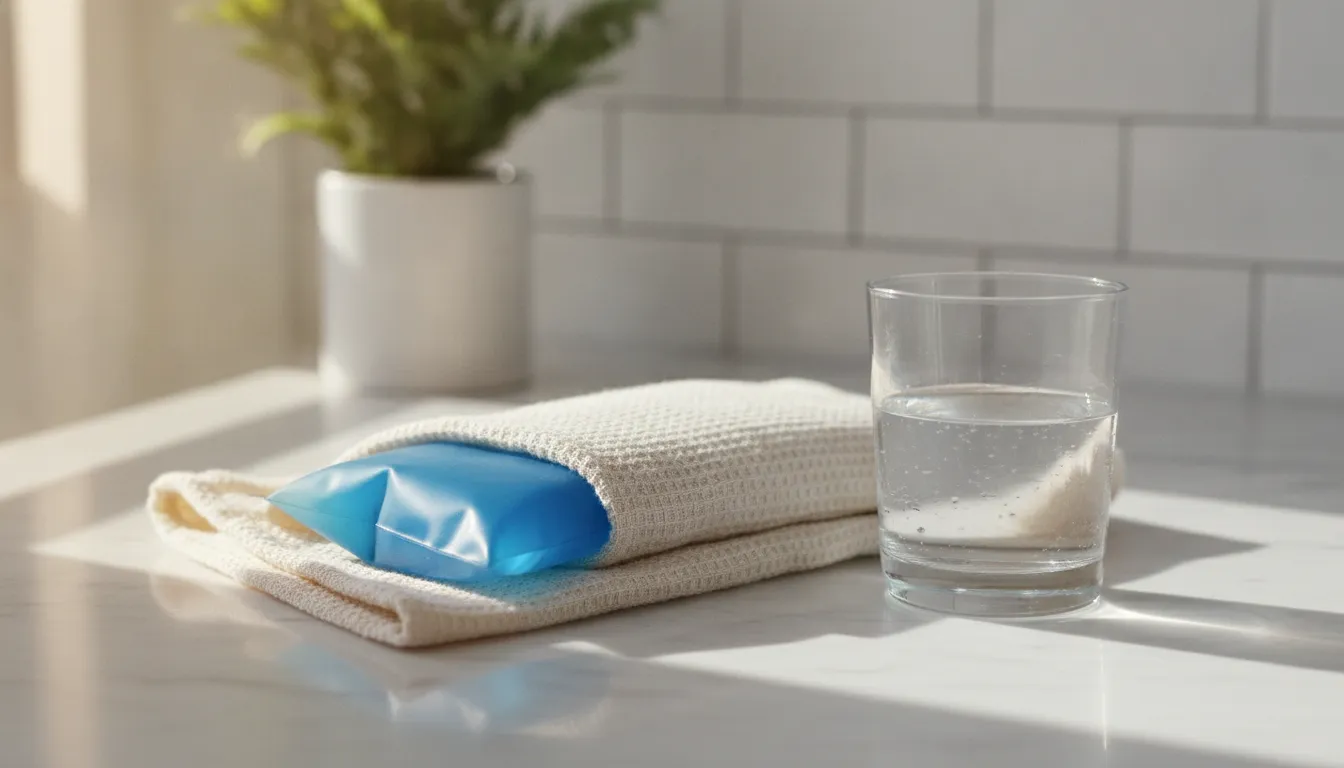
For the first 24 to 48 hours, use cold only. Cleveland Clinic recommends an ice pack on the face for 20 minutes, followed by 20 minutes off, repeated as needed. Keep the pack comfortable, and stop if your skin becomes numb, painful, or unusually pale.
- Put ice or a gel pack inside a thin towel. Never place bare ice against your skin.
- Apply the wrapped pack to the cheek on the treated side, using gentle contact without pressing on the extraction area.
- Leave it in place for about 20 minutes.
- Remove it for about 20 minutes, allowing your skin to return to a comfortable temperature.
- Repeat the on-and-off cycle as needed during the early period, following any different timing on your dentist’s instructions.
When warmth may be appropriate
Swelling often reaches its highest point around 48 to 72 hours. After that window, many oral-surgery instructions switch from cold to moist warmth to help circulation as swelling begins to ease. Use warmth only when your dental team permits it. It should feel warm, not hot, and you can use the same on-and-off rhythm. Do not use heat on day one, and do not treat this timing as a promise that your swelling will follow a fixed schedule.
While resting, keep your head raised with extra pillows rather than lying completely flat. Also avoid actions that can disturb the clot, such as vigorous rinsing, spitting, smoking, vaping, or using a straw. If swelling occurs, the American Dental Association’s extraction aftercare tips recommend applying a cold cloth or ice bag and contacting your dentist right away. Call your dental office if you are unsure when to change from cold to warmth or if your symptoms concern you.
How should you rest, elevate, and pace activity?
Keep your head raised, take it easy for the first couple of days, and let your symptoms guide your return to normal activity.
When you lie down after an extraction, pile up extra pillows so your head stays elevated while you rest. Keeping your head above your heart can help limit swelling, while lying completely flat may make throbbing and puffiness feel worse. Choose a comfortable position that lets you relax without putting pressure on the side of your mouth that was treated. For more recovery guidance, review the Cleveland Clinic guidance on wisdom tooth recovery.
Rest does not mean you must stay in bed. Gentle movement around the house is usually reasonable, but anything that raises your heart rate can increase the chance of bleeding, swelling, or pain. Most people can resume routine activities or fitness in about 48 to 72 hours, depending on the extraction and how they feel. If your work involves lifting, bending, or other physical effort, plan for more time or ask your dentist when it is appropriate to return.
- Avoid workouts and other strenuous exercise during the first two days.
- Do not lift heavy objects or perform demanding physical tasks.
- Keep activity light and stop if throbbing, bleeding, or swelling increases.
By the time you return to your usual routine, your face may still look swollen. That does not necessarily mean you have done something wrong, since swelling can take longer to settle than your energy level. Continue following the written instructions from your dentist, especially if your extraction was complex or you had more than one tooth removed.
Swelling and numbness are different sensations. A numb lip or cheek can make it harder to judge what is happening around the extraction site, so learn how long dental numbness lasts and avoid chewing until normal feeling returns. Do not exercise through increasing pain or bleeding. Contact your dental office if symptoms are worsening rather than gradually easing, or if you have concerns about your recovery.
What should you eat so swelling does not get worse?
Choose soft, cool foods and protect the blood clot while the extraction site settles. Your dentist’s written aftercare instructions take priority over general guidance.
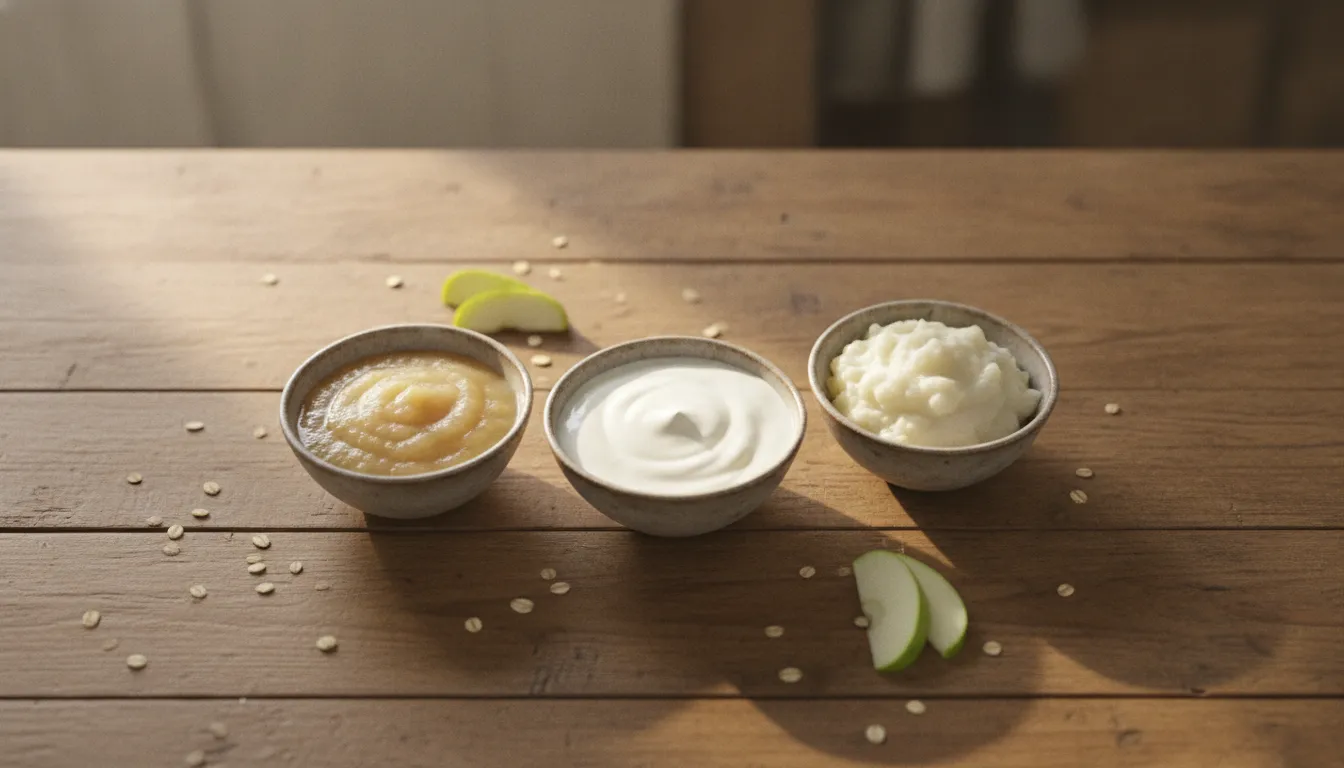
For the first few days, foods that need little chewing are usually easier on the area. Cool or lukewarm choices can also feel more comfortable than anything hot. Try:
- Yogurt
- Applesauce
- Soft eggs
- Mashed potatoes
- Lukewarm soup
Put off hard, crunchy, chewy, very hot, spicy, carbonated, or alcoholic items. They can irritate the site, make eating uncomfortable, or disturb the clot. Take small bites and chew away from the extraction area when your dentist says chewing is appropriate. Drink water, but do not swish it around the site.
As the area becomes more comfortable, let your dentist’s instructions guide how you return to your usual foods. There is no need to test the site with a crisp snack or a very hot drink while it is tender. Choosing something soft gives the clot and surrounding tissue less mechanical irritation, so meals can support comfort instead of adding another source of swelling.
Clot protection matters because losing the clot can restart bleeding and interfere with healing. Do not use a straw for at least 24 hours, and avoid vigorous rinsing or spitting. If you must rinse during the first few days, do it gently rather than forcefully. The American Dental Association’s extraction guidance also advises avoiding smoking and rinsing vigorously. Smoking and vaping can constrict blood vessels and reduce blood flow to the site, which may worsen irritation, bleeding, or swelling.
Do not start salt-water rinses on an assumed schedule if your dentist gave you different instructions. A common pattern is to wait until the day after the extraction before any gentle rinse. Cleveland Clinic’s wisdom-teeth guidance places warm salt-water rinses around days four through seven, when pain, swelling, and bleeding are usually easing. Follow your dentist’s sheet, use a gentle motion, and only spit when that instruction is appropriate. For the broader visit context, see what to expect at a tooth extraction visit.
Finally, do not take aspirin for pain or bleeding unless the treating dentist specifically recommended it. Aspirin can thin the blood and prolong bleeding. Use only the medicines your dentist approved, exactly as directed. Contact the office promptly if swelling is severe, keeps growing, or falls outside the recovery pattern your dentist described.
When should you worry about swelling after a tooth extraction?
Some puffiness is expected after an extraction, but swelling that is severe, growing, or outside the pattern your dentist described deserves a call.
Swollen gums around the extraction site and swelling along the outer jaw are common parts of healing. Cleveland Clinic notes that these effects generally ease within a week. The trend matters: expected swelling should begin settling rather than continue getting worse. Cleveland Clinic describes the days after the early healing period as a time when pain, swelling, and bleeding usually lessen. The American Dental Association advises calling the dentist if swelling occurs. In practice, do not wait on swelling that concerns you, especially when it is one-sided, increasing, or paired with other symptoms.
Call the treating dentist promptly if:
- Swelling gets worse after about three days, or returns after it had started to improve.
- You develop a fever, pus, or foul-smelling drainage from the site.
- Bleeding does not slow after you place folded gauze over the area and apply gentle, steady pressure for about 15 minutes.
- Severe pain does not improve with the medicine your dentist prescribed, or keeps increasing.
- You have trouble breathing or swallowing. Seek emergency care for breathing difficulty or any rapidly worsening symptoms.
- A few days later, you notice a bad taste with rising pain. This can be a sign of dry socket. Contact your dentist rather than trying to manage it yourself.
Do not use a single temperature cutoff as your personal rule. A fever after an extraction is a reason to contact the treating dentist, who can interpret it with your other symptoms and your procedure history. Likewise, swelling that is mild and gradually improving is different from swelling that is hard, rapidly enlarging, or accompanied by worsening pain or drainage.
If you are unsure whether your symptoms are urgent, call the treating dentist instead of waiting. You can also review our guidance on when to call about tooth pain and the signs of a dental abscess. Marcos Ortega DDS sees patients at the Hillcrest office, 306 Walnut Ave Ste 25, San Diego, Monday through Thursday from 8:00am to 5:00pm. During office hours, call 619-295-4545. Outside those hours, use the emergency instructions provided by your treating dentist or seek emergency care for serious symptoms.
Contact the Hillcrest office or call (619) 295-4545 if swelling is not easing.
Frequently Asked Questions
How long does swelling last after a tooth extraction?
Swelling commonly peaks around the second or third day, then begins to ease. By day 5, many people notice less swelling, pain, and bleeding, although recovery varies. Cleveland Clinic notes that common side effects should resolve within about a week. Your treating dentist’s written instructions take priority over general guidance.
Can I make tooth extraction swelling go down overnight?
There is no reliable overnight cure, so plan for gradual improvement rather than expecting swelling to disappear while you sleep. Rest with your head elevated, use a cold pack as directed during the early period, and avoid smoking, vaping, strenuous activity, vigorous rinsing, and straws. Cleveland Clinic recommends alternating an ice pack for 20 minutes on and 20 minutes off.
What should I do about swelling on day 3 or day 5?
On day 3, swelling may still be present, but it should not be steadily worsening. By day 5, the overall trend should usually be toward improvement. Contact your dentist promptly if swelling worsens after about day 3, returns after improving, or is severe, one-sided, and growing. Cleveland Clinic also advises contacting a dentist for worsening swelling after two or three days.
When are swelling and pain signs of an infection?
Call your dentist for fever, pus or foul drainage, worsening pain, bleeding that will not slow with pressure, or increasing swelling. Trouble breathing or swallowing needs urgent attention. A bad taste or bad breath with increasing pain a few days later can also signal a complication. Do not diagnose yourself or wait out symptoms that concern you.
When can I rinse with salt water, and how long should I use gauze?
Follow your dentist’s timing for warm salt-water rinses; Cleveland Clinic places them in the later recovery window, commonly days 4 to 7, and advises gentle rinsing rather than forceful swishing. Use gauze only if your dentist recommends it for active bleeding, and keep pressure brief. Do not leave gauze in overnight or use it as a way to manage swelling.