
A dental crown can protect and restore a tooth that is weakened, cracked, badly worn, or affected by extensive decay. But the cost is not determined by the crown material alone. The tooth’s condition, the location in your mouth, the treatment needed to prepare it, and your insurance benefits can all change the estimate.
So, how much does a dental crown cost? There is no responsible one-size-fits-all answer without an exam. A dentist may need to evaluate the tooth, take imaging when appropriate, discuss material choices. And identify whether supporting care such as decay removal, a buildup, or root canal treatment is needed. An exam-based estimate gives you a clearer picture of the crown itself and any related treatment.
For patients in Hillcrest, Downtown San Diego, and nearby communities, understanding what the restoration does is the best place to start. From there, the factors behind a personalized estimate become easier to follow.
What Is a Dental Crown, and Why Does the Cost Vary?
| Estimate factor | Why it matters |
|---|---|
| Tooth condition | Decay, cracks, or lost structure may change preparation needs. |
| Material | Appearance, strength, and tooth location guide the discussion. |
| Supporting care | Imaging, buildup, root canal, or gum care may be separate. |
| Insurance | Benefits and patient responsibility depend on the specific plan. |
Short answer: A crown estimate varies because the restoration must be designed for a specific tooth, its condition, and your overall treatment needs. A responsible estimate comes after an examination, not from a one-size-fits-all price.
A dental crown is a tooth-shaped cap that restores a decayed, broken, weak, or worn-down tooth. It can strengthen a weak tooth, protect a cracked tooth, and restore a tooth that has lost substantial structure. Crowns may also be used as part of treatment for a root-canal-treated tooth or to support a dental bridge, depending on the clinical situation. Cleveland Clinic explains the basic purpose of dental crowns in more detail.
That purpose is why the answer to “how much does a dental crown cost” cannot be reduced to a single number for every patient. Two people may both need crowns, but the teeth may differ in location, remaining structure, bite forces, appearance goals, and the amount of preparation required. The appropriate option also depends on personal preferences and unique oral-health needs.
What does an exam-based estimate consider?
Marcos Ortega DDS uses customized treatment planning after an examination rather than relying on a comprehensive public price list. An exam helps the dentist determine whether a crown is the right restoration and identify care that may need to happen before it is placed. Depending on the findings, the estimate may account for several separate items.
- The tooth’s remaining structure and whether it is cracked, worn, weakened, or affected by extensive decay.
- The tooth’s position and functional demands, including how it meets opposing teeth.
- Appearance goals and the material that may best fit the tooth and your needs.
- Diagnostic imaging or other evaluation needed to plan treatment.
- Possible supporting care, such as decay removal, a core buildup, root canal treatment, a temporary restoration, or periodontal care.
These items should be distinguished from the crown itself so you can understand what each part of the plan addresses. Supporting treatment can affect the overall estimate, but it is not automatically needed for every crown.
For patients in Hillcrest, Downtown San Diego, and nearby communities, restorative dentistry options can be reviewed as part of an individualized plan. The goal is not simply to select a crown, but to address the tooth’s condition and plan a restoration that fits your oral health and priorities.
Which Crown Materials Can Affect the Estimate?
Short answer: The material is one part of a dental crown estimate, but it is not selected by price alone. Your dentist also considers where the tooth is located, how much biting force it receives. How visible it is, the condition of the surrounding teeth and gums, and your appearance goals.
Crowns can be made from several materials, including porcelain or ceramic, metal, porcelain-fused-to-metal, and gold. Each option has practical strengths and tradeoffs. That is why the most useful answer to “how much does a dental crown cost” starts with an examination and a discussion of which restoration is appropriate for your tooth. Rather than a universal number.
Porcelain and ceramic crowns
Porcelain and other high-strength ceramic materials are often considered when a natural-looking result is important. Their appearance can make them appealing for teeth that show when you smile. The final recommendation still depends on the tooth’s location, the available space, your bite, and the amount of healthy tooth structure remaining. A material that looks ideal for one tooth may not be the best fit for another.
Metal and gold crowns
Metal crowns can withstand substantial biting and chewing forces, which may make them useful for out-of-sight molars. Gold is another crown material used in restorative dentistry. Its suitability depends on the clinical situation and your preferences, including whether the appearance of a metallic restoration is acceptable in that location.
Porcelain-fused-to-metal crowns
Porcelain-fused-to-metal, or PFM, crowns combine a metal foundation with a porcelain surface. This approach can offer metal’s durability alongside a more tooth-like appearance. One tradeoff is that the porcelain coating may chip over time and expose the metal underneath. Your dentist can explain whether that possibility matters for the tooth being restored.
Marcos Ortega DDS offers porcelain, gold, and porcelain-fused-to-metal crown and bridge options. The appropriate choice depends on clinical needs and treatment planning, not on a one-size-fits-all menu. During an exam, ask how each option would perform in your specific location and what factors are included in the estimate.
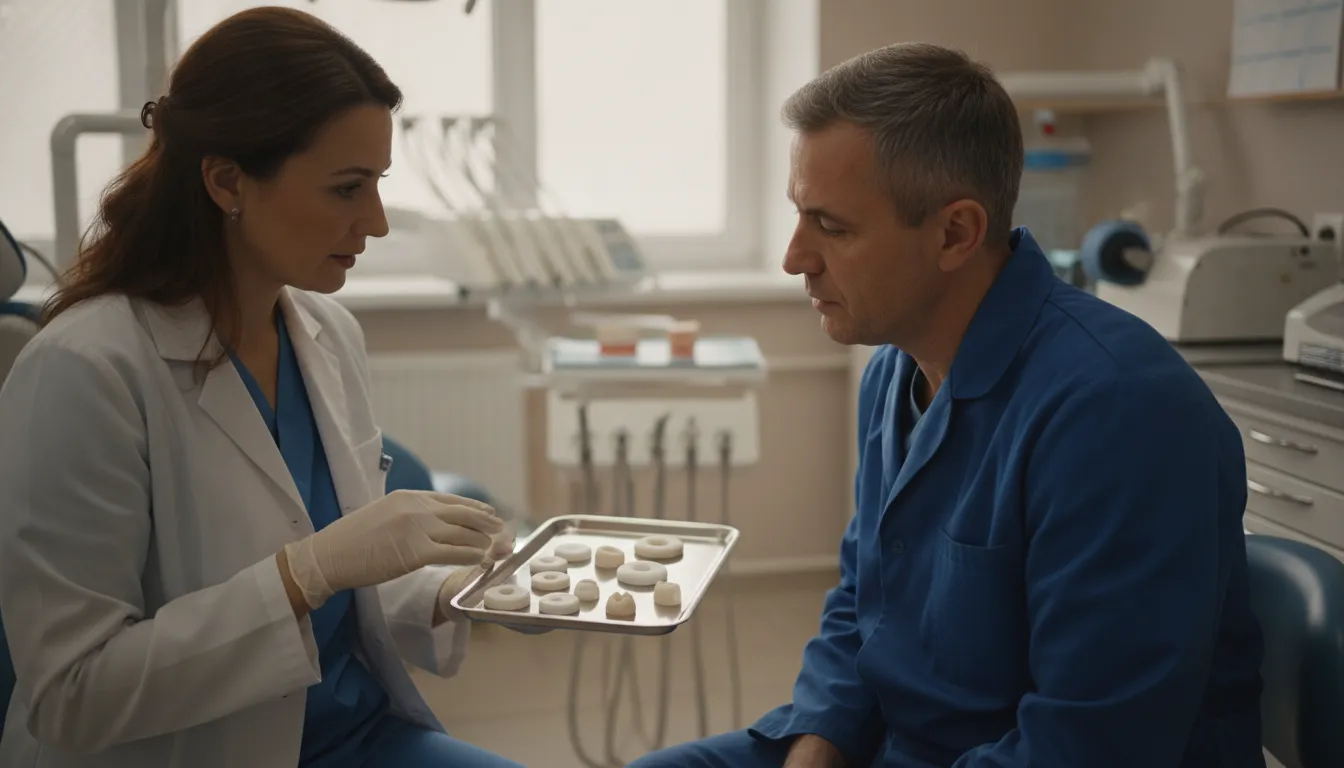
- Location: Front teeth may place greater emphasis on appearance, while molars must handle strong chewing forces.
- Strength: Your bite and habits help determine how much structural demand the crown must withstand.
- Appearance: Tooth shade, translucency, and the visibility of the restoration can influence the discussion.
- Oral health: The condition of the tooth, gums, and surrounding structures may affect the treatment plan.
These material choices are part of the broader restorative dentistry planning process. A personalized recommendation helps connect the restoration’s function and appearance with your long-term oral-health needs.
What Else May Be Included in a Dental Crown Estimate?
Answer capsule: The crown is only one part of some treatment plans. An estimate may also account for diagnosis, preparing the tooth, protecting it between visits, or treating gum and pulp problems first.
When patients ask how much does a dental crown cost, it helps to separate the restoration itself from care that may be needed before it can be placed. A crown may be recommended when a tooth has extensive decay or has become weakened. But the condition underneath the visible surface can only be evaluated through an examination. That is why an office may provide an examination-based estimate rather than a single price that applies to everyone.
- Exam and imaging: A visual assessment, bite evaluation, and clinically appropriate X-rays can help show where cavities or decay are located. Diagnostic services may appear separately from the crown in the treatment plan.
- Decay removal: If decay is present, the affected material may need to be removed before the tooth can support a restoration. The extent of that preparation depends on the tooth’s condition.
- Core buildup: A weakened tooth may need additional structure rebuilt before the crown is fitted. Whether a buildup is appropriate is determined after the dentist assesses how much sound tooth remains.
- Root canal treatment: If decay reaches the pulp, treatment may be needed to repair and save the tooth before it receives a crown. Learn more about root canal treatment and its cost considerations.
- Temporary restoration: If the final crown is not completed during the same visit, a temporary restoration may be used while the permanent crown is being prepared. A suitable same-day workflow may avoid that step, but it is not appropriate for every situation.
- Related periodontal care: Gum health can affect treatment planning around a tooth. If periodontal care is recommended, it should be identified separately from the crown so you can understand the purpose of each service.
These possibilities do not mean every patient will need every item. Supporting treatment can change the overall estimate, as can the tooth’s location, remaining structure, and clinical goals. Ask the dental team to show which amount applies to the crown and which amounts relate to diagnosis or preparation. That clear breakdown makes it easier to compare treatment options without assuming that a general online price reflects your specific tooth.
Can You Get a Same-Day Dental Crown in San Diego?
Yes, a same-day crown may be possible for a suitable case. But an examination must determine whether the tooth, its location, and the desired result make a one-visit restoration appropriate.
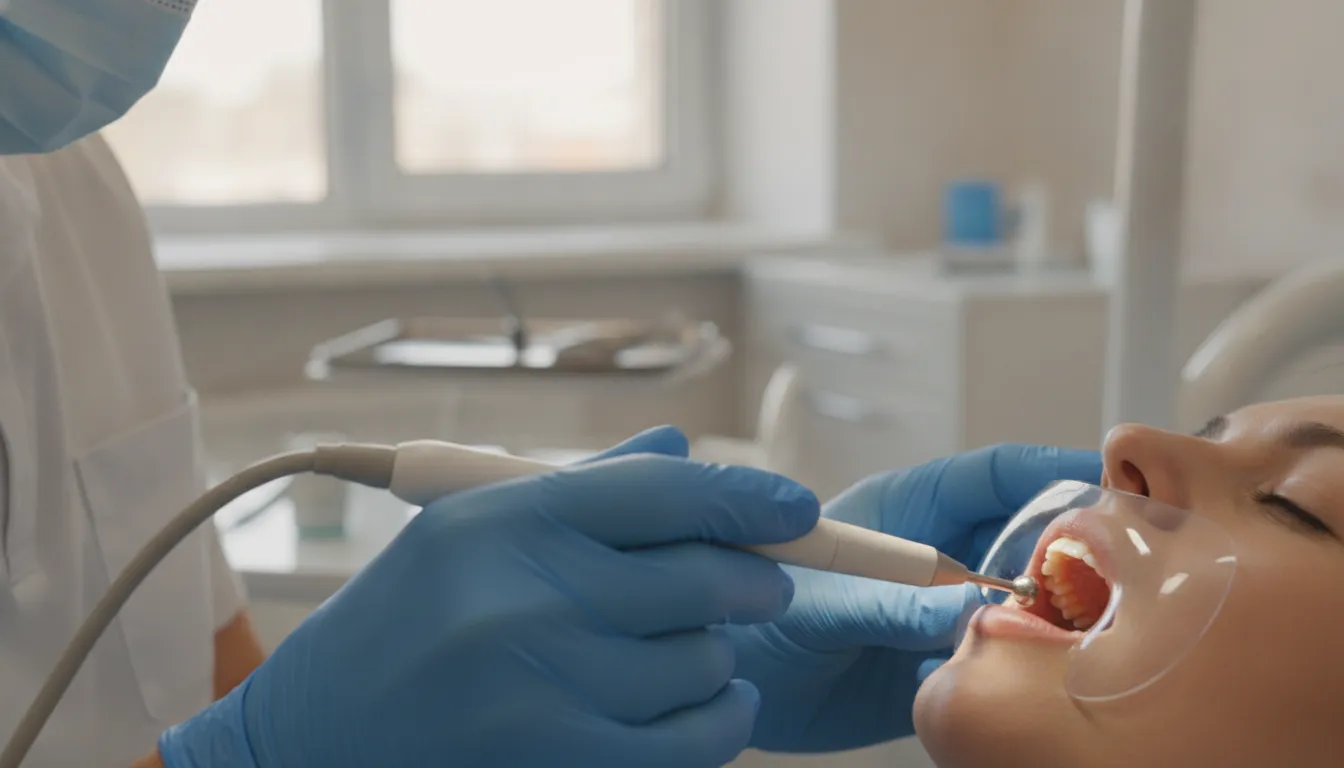
A same-day crown uses a digital workflow rather than sending a traditional impression to an outside laboratory. A small camera wand captures detailed images of the prepared tooth, replacing the U-shaped impression mold used in some conventional workflows. Software then creates a three-dimensional model of the crown, allowing the dentist to adjust its design before it is made.
Marcos Ortega DDS offers CEREC technology, which may allow a single-visit crown workflow in appropriate cases. Digital impressions can support precision fit and patient education, while digital radiography and intraoral cameras help the dentist evaluate the tooth and explain the treatment plan. Computer-aided design and manufacturing can make it possible to measure, create, and place a crown in one day, potentially avoiding several visits over multiple weeks.
That convenience does not mean every crown can be completed the same day. The tooth’s condition, the amount of sound structure remaining, and any supporting treatment needed all matter. If decay has reached the pulp, for example, root-canal treatment may be necessary before the tooth can receive its final restoration. A dentist may also recommend a different workflow when a laboratory technician’s work is important for the result.
When might a traditional laboratory crown be a better fit?
Tooth location is one consideration. A same-day approach may be practical for some back teeth, where strength and function are central concerns. For a visible front tooth, detailed shade and translucency matching may be especially important. Mayo Clinic notes that front-tooth color matching may be best handled by a skilled dental laboratory technician. In those cases, taking more time can support a more natural-looking result.
Plan for the appointment to take about three to four hours when a computer-aided same-day workflow is selected. If the final crown cannot be completed during that visit, a temporary restoration may be needed while a laboratory makes the permanent crown. Ask what is included in the proposed sequence and whether the estimate separates the crown from imaging, tooth preparation, or other supporting care. Those details help you understand both the timeline and how much does a dental crown cost for your specific situation.
- Ask whether CEREC is clinically appropriate for the tooth being treated.
- Discuss whether front-tooth shade matching or laboratory customization changes the recommended workflow.
- Confirm the expected appointment length and whether a temporary crown may be required.
- Request an exam-based plan that explains the crown and any supporting treatment separately.
These decisions are made after evaluating the tooth, bite, surrounding tissues, and your goals, rather than from the crown type alone.
Are Dental Crowns Covered by Insurance or Financing?
Short answer: Dental insurance may contribute toward a crown in some plans, but your actual benefit depends on the policy, the tooth, the reason for treatment, and plan rules. Financing can help spread eligible treatment costs, but it does not change the amount your insurer agrees to pay. The most reliable approach is to review your benefits and receive an exam-based estimate before scheduling care.
Start by asking whether the dental office is contracted with your specific insurance provider and what benefits apply to the proposed treatment. Marcos Ortega DDS notes that patients should verify both points with their individual provider. A plan may also have questions about waiting periods, deductibles, annual maximums, exclusions, replacement rules, or whether a related procedure must be completed first. These are not universal requirements, so ask how they apply to your policy rather than assuming that a crown will be covered.
It is also useful to separate the crown from possible supporting care. Depending on the examination, an estimate may need to distinguish the restoration itself from diagnostic imaging. Decay removal, a core buildup, root-canal treatment, a temporary restoration, or periodontal care. Your insurer may handle each service differently. For that reason, an insurance estimate is not the same as a guarantee of payment. Delta Dental likewise advises patients to discuss actual care costs with their dentist or the relevant dental plan.
For patients who prefer to divide payments, the office lists options that may include CareCredit, interest-free financing availability, custom payment planning, and major credit or debit cards. Current eligibility and terms should be confirmed with the office and financing provider. The financial-options page also lists a 5% pre-payment discount for treatment paid in full before scheduling, but confirm current eligibility and terms before relying on it.
Before your appointment, prepare these questions:
- Is the office contracted with my specific insurance plan, and what crown benefits apply?
- Do I have a deductible, waiting period, annual maximum, or replacement limitation to consider?
- Which parts of the recommended treatment are estimated separately from the crown?
- What financing or payment-plan terms are currently available?
- When will I receive the exam-based estimate, and what assumptions does it include?
For a clearer explanation of available payment approaches, review the office’s financial options and bring your insurance information to the consultation.
How Much Does a Dental Crown Cost? Getting a Reliable San Diego Estimate
Short answer: A reliable estimate comes from an examination-based treatment plan, not a one-size-fits-all online price. The dentist needs to evaluate the tooth, surrounding tissues, bite, and any treatment needed before the crown can be placed.
At a practice serving Hillcrest and Downtown San Diego, ask for a written explanation that separates the crown from possible supporting care. A clear estimate should help you understand both the clinical recommendation and the financial choices before treatment begins.
- Schedule an examination rather than relying on a general price. The practice uses customized treatment plans after examination instead of maintaining a comprehensive public price list. This matters because the recommended approach depends on the tooth’s condition, your oral health, and your treatment goals. An exam-based estimate is more useful than a number that does not reflect your situation. Learn more about examination-based financial planning.
- Ask what diagnostic information is included. Depending on the tooth and your symptoms, evaluation may include a visual assessment, bite evaluation, intraoral images, or dental X-rays. X-rays can help show where decay is located, while digital radiography and intraoral cameras can support diagnosis and patient education. Ask which diagnostic services are recommended and how they relate to the treatment plan.
- Request a clear distinction between the crown and supporting treatment. A complete estimate may need to account separately for decay removal, a core buildup, root canal treatment, a temporary restoration, or related periodontal care. Not every patient needs these services, but they can affect the overall plan when the tooth is extensively weakened or the decay has reached deeper tissue.
- Discuss material and workflow options after the exam. The practice offers porcelain, gold, and porcelain-fused-to-metal crown and bridge options. The appropriate choice depends on clinical needs and treatment planning, not appearance alone. Ask whether a digital workflow or CEREC single-visit option is appropriate for your case, understanding that same-day treatment is not suitable for every tooth or situation.
- Confirm insurance and payment details directly with the office. Ask your insurer about benefits and contracted status, then ask the dental office what portion is expected to remain after verification. You can also discuss available payment planning before scheduling. Terms can change, so confirm current eligibility and conditions rather than assuming coverage.
Marcos Ortega DDS has served the San Diego community for more than 34 years and provides restorative, cosmetic, sedation, emergency, and general dental care in one office. To discuss your tooth and request an exam-based estimate, contact the office and bring your insurance information and questions about treatment options.
Frequently Asked Questions About How Much a Dental Crown Costs
What is the average cost to put a crown on a tooth?
There is no responsible single average for every patient. The estimate depends on the crown material, the tooth’s location and condition. And whether you also need imaging, decay removal, a buildup, root canal treatment, periodontal care, or a temporary restoration. An examination lets the dentist separate the crown fee from possible supporting treatment and provide a customized estimate.
Are dental crowns covered by insurance?
Many dental plans may contribute toward eligible crown care, but coverage, deductibles, waiting periods, annual limits, and contracted status vary by plan. Ask your insurance provider and the dental office to verify your specific benefits before treatment. Verification can clarify your expected portion, but it is not a guarantee of payment.
What should you do if you need a crown but cannot afford it?
Start with an exam and ask for a written treatment plan that distinguishes urgent care, the crown itself, and any supporting procedures. Discuss timing and payment options with the office. Marcos Ortega DDS lists CareCredit, possible interest-free financing, custom payment planning, and major credit or debit cards, but current terms and eligibility should be confirmed before scheduling.
Is a higher quoted amount a lot for a dental crown?
A quoted amount cannot be judged without knowing what it includes. A quote may cover only the crown, or it may include diagnostic work and treatment needed to prepare the tooth. Material choice, tooth condition, and laboratory or same-day workflow can also affect the estimate. Ask for an itemized explanation and compare it with your insurance benefits rather than relying on a universal benchmark.
Ready to Get a Dental Crown Estimate?
An examination can help clarify which restorative option fits your tooth, goals, and overall treatment needs. The San Diego office can review the findings with you, explain possible supporting treatment, and answer questions about insurance or payment planning. Contact us to request an examination-based estimate and discuss your options: contact the office.