
If you are researching full dental implants cost, you are probably looking for more than a single number. A full-arch restoration may involve an upper arch, a lower arch, or both, and the estimate changes with the number of implants, the replacement teeth they support, your existing oral health, and the planning required. Schedule a free dental implant consultation to discuss your options with Marcos Ortega DDS.
The most useful estimate is not a generic online range. It is a written, case-specific plan that explains what is recommended, what is included, what may be optional, and what could change after an examination. This guide explains the main cost factors so you can compare treatment plans with greater confidence.
What does full-arch implant treatment include?
Full-arch implant treatment replaces many or all teeth in one dental arch with a restoration supported by dental implants. An implant post is placed in the jawbone and serves as an artificial root. Depending on the plan, the implants may support a fixed bridge, an implant-supported denture, or another customized restoration.
In short, a full-arch estimate covers a coordinated treatment sequence, not simply a number of implant posts.
Terminology can be confusing. People may use “full mouth,” “full set of teeth,” “full arch,” or names such as All-on-4 and All-on-6 to describe different treatment concepts. One arch usually refers to the upper or lower jaw. Full-mouth treatment may involve both arches. The number and placement of implants are clinical decisions based on the bone, bite, restoration design, and long-term maintenance plan.
- Evaluation and planning: examination, records, imaging, and discussion of goals.
- Preparation: possible extractions, gum treatment, bone grafting, or a sinus lift when indicated.
- Implant placement: the surgical phase that creates the foundation for the replacement teeth.
- Temporary and final teeth: a provisional restoration may be used while healing occurs, followed by the planned final restoration.
- Follow-up care: visits to check healing, fit, function, hygiene, and maintenance needs.
Which factors change the full dental implants cost?
Two people can need full-arch treatment and still receive very different estimates. The following factors help explain why a responsible dental office does not quote one universal price before evaluating the patient.
1. One arch or both arches
The scope of treatment is one of the first questions to clarify. Replacing teeth in one arch is a different plan from restoring both the upper and lower arches. The estimate may also change if one arch needs more preparation, has different bone conditions, or requires a different restoration design.
2. The number and position of implants
Full-arch care does not necessarily mean placing one implant for every missing tooth. A carefully planned restoration may use a selected number of implants to support a bridge or denture. The number depends on the jaw anatomy, available bone, bite forces, restoration design, and the dentist’s assessment of what will provide appropriate support.
Ask the office to explain both how many implants are recommended and why their positions matter. A lower number is not automatically better, and a higher number is not automatically necessary. The right plan is the one that fits the clinical findings and the restoration being designed.

3. The type of replacement teeth
The restoration is the visible part of the treatment, so its design and materials can affect the estimate. Options may include an implant-supported denture, a fixed bridge, or another restoration selected for the patient’s anatomy and goals. Material choices, laboratory fabrication, cosmetic characterization, strength requirements, and the complexity of the bite can all influence the plan.
A useful consultation should identify whether the estimate includes:
- Temporary or provisional teeth during the healing phase
- The final bridge or denture and its material
- Abutments or other connecting components
- Adjustments, relines, or fit checks included during treatment
- Maintenance recommendations after the final restoration is delivered
4. Extractions and existing teeth
Some patients need teeth removed before implants can be placed. Others may have a combination of healthy teeth, failing teeth, and missing teeth that calls for a staged plan. Extractions, temporary teeth, infection management, and the timing of implant placement may all affect the total estimate.
It is important to ask whether extractions are included in the proposed treatment fee or listed separately. A written plan should make the sequence clear instead of leaving you to guess which procedure comes next.
5. Bone volume and preparatory care
Implants need an appropriate foundation in the jaw. Bone loss, gum disease, previous extractions, or the location of the sinus can affect the timing and technique of treatment. Some patients may need bone grafting, a sinus lift, periodontal care, or other preparation before implant placement is considered.
Preparatory care does not mean that implants are impossible. It means the dentist needs to evaluate the conditions first and explain whether additional steps would improve the foundation for the planned restoration. The dental implant service page provides more background on implant-supported crowns, bridges, and dentures.
6. Imaging and treatment planning
Full-arch care requires more planning than a simple replacement of one tooth. The dentist may evaluate your teeth, gums, bite, jawbone, facial proportions, and restoration goals. Digital records and imaging can help the team understand the available anatomy and coordinate the surgical and restorative parts of care.
Before accepting an estimate, ask which examinations, images, planning appointments, and consultations are included. Planning is not an administrative extra. It is the step that connects the implant positions to the teeth you expect to use every day.
7. Sedation and comfort support
Patients who feel anxious about extensive dental care may ask about sedation. Sedation is not one universal option, and suitability depends on health history, the planned procedure, screening, monitoring, and the dentist’s protocol. If comfort support is important to you, discuss it early rather than assuming it is included or appropriate for every patient.
Marcos Ortega DDS has a comfort-first approach and DOCS-related sedation expertise. Learn more about the practice’s sedation dentistry options, then ask how any recommended comfort measures would affect the treatment plan and estimate.
How can you compare two dental implant estimates?
A lower written total is not necessarily a lower total cost if important phases are excluded. Compare estimates by asking the same questions at each office and looking for the full sequence from evaluation through follow-up.
The best comparison is item by item: scope, components, timing, contingencies, and aftercare should be clear enough for you to understand before treatment begins.
- Confirm the scope. Is the estimate for one arch or both? Does it include extractions for teeth that cannot be retained?
- Identify the restoration. Is it removable or fixed? What temporary and final teeth are included?
- Review the implant plan. How many implants are proposed, and what factors led to that recommendation?
- Ask about preparation. Are grafting, sinus procedures, gum treatment, or infection care included, excluded, or listed as possible additions?
- Check the planning phase. Are the examination, imaging, impressions, scans, and design appointments part of the estimate?
- Clarify follow-up. Ask which adjustments, healing checks, and restoration visits are included and for how long.
- Request the next-step trigger. If the estimate changes, what new finding or treatment decision would cause the change?
For additional context, the existing guide to a dental implant consultation in San Diego explains what patients can discuss during an initial visit. The purpose of the consultation is to replace assumptions with a plan tailored to your health and goals.
Does dental insurance cover full dental implants?
Coverage varies by policy and by the part of treatment being considered. Some dental plans may exclude implants or limit benefits, while another plan may contribute toward related services. Medical insurance may have separate rules in unusual circumstances. You should ask the office to review your benefits, but remember that a benefits estimate is not the same as a guarantee of payment.
When reviewing insurance information, ask for:
- The annual maximum and remaining benefits
- Waiting periods, exclusions, and missing-tooth clauses
- Whether the plan treats the implant, abutment, restoration, extraction, or graft as separate services
- Whether preauthorization is available and what it does or does not confirm
- Your estimated patient portion and when it would be due
Marcos Ortega DDS also describes CareCredit, payment planning, and other ways to discuss affordability. Review the practice’s financial options information and ask the office which options currently apply to your proposed care. Financing terms, approval, and eligibility come from the financing provider and should be confirmed before making a decision.
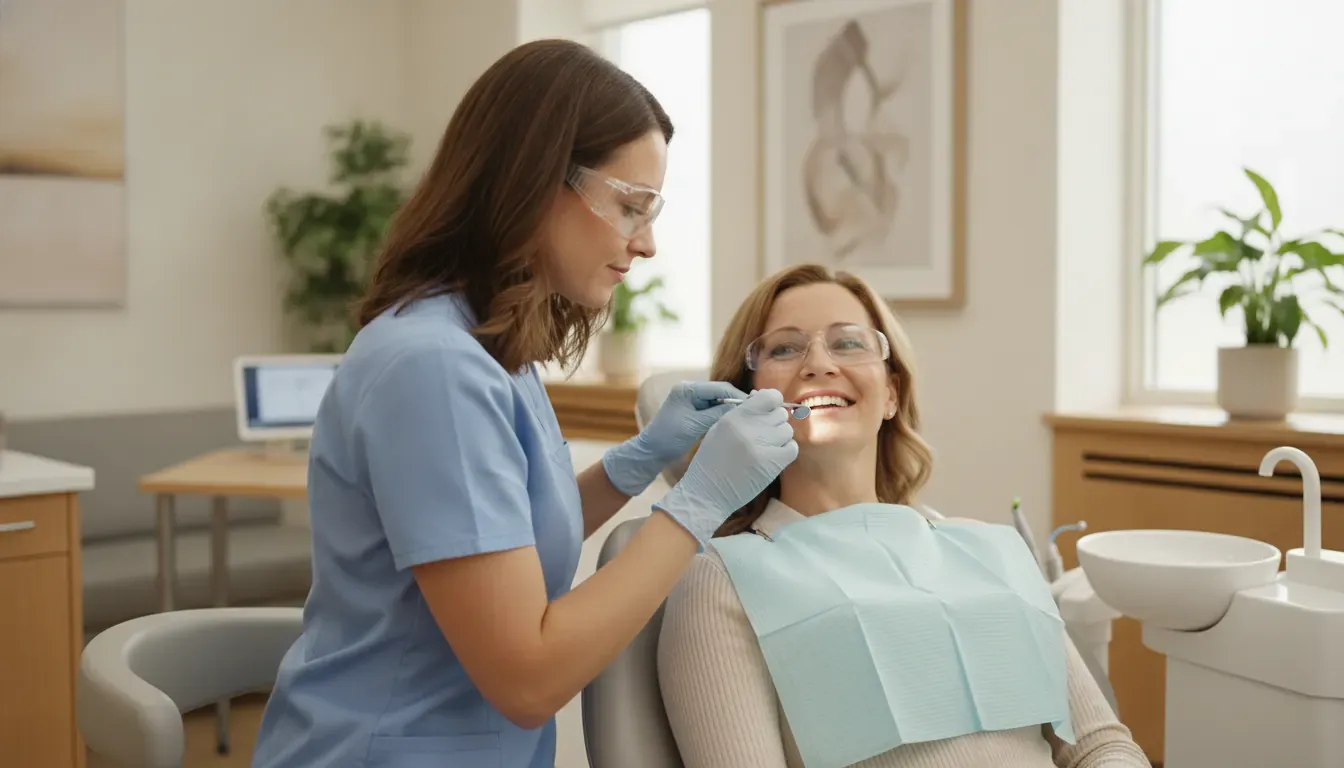
What happens during a full-arch implant consultation?
A consultation is an opportunity to understand the problem, discuss priorities, and decide whether implants are an appropriate option. It should not feel like a commitment to proceed that same day.
Depending on your needs, the visit may include:
- A review of your health history, dental history, medications, and concerns
- An examination of the teeth, gums, bite, jaw, and existing restorations
- Imaging or digital records to evaluate anatomy and plan the restoration
- A conversation about fixed and removable options, timing, and maintenance
- A discussion of preparation, comfort needs, insurance, and payment planning
- A written outline of recommended steps and the factors that shape the estimate
Bring a list of medications, relevant medical information, insurance details, and questions about daily function. If you are anxious, say so at the beginning. A comfort-focused team can explain what will happen, discuss suitable options, and help you make decisions at a manageable pace.
Why is a personalized estimate more useful than an online price?
Online articles can explain cost drivers, but they cannot examine your jawbone, evaluate your bite, confirm the condition of existing teeth, or select a restoration for your anatomy. A generic figure may also combine procedures that are not equivalent, such as one arch and two arches, a removable restoration and a fixed bridge, or an estimate with preparation included and one without it.
A personalized estimate is more useful when it answers four practical questions:
- What is being recommended? The arch or arches, implant plan, and restoration should be identified.
- Why is it recommended? The dentist should connect the plan to your examination and goals.
- What is included? Planning, preparation, temporary teeth, final teeth, and follow-up should be clear.
- What could change? Possible additional treatment and the findings that would trigger it should be discussed.
Marcos Ortega DDS has provided comprehensive dental care in the San Diego area for more than 34 years and offers in-house implant treatment planning. Patients can also review the practice’s restorative dentistry services to understand how implant-supported restorations fit within broader tooth replacement care.
Full dental implants cost: questions to ask before choosing a plan
Is a full arch the same as a full mouth?
Not always. A full arch generally refers to the upper or lower jaw. Full-mouth treatment may refer to both arches. Ask the dental office to state exactly which arch or arches the estimate covers.
Does every full-arch plan use the same number of implants?
No. The recommended number and location depend on the jawbone, bite, restoration design, health history, and treatment goals. The dentist should explain the reasoning behind the plan.
Can bone grafting change the estimate?
Yes. Bone volume and anatomy may affect whether preparatory treatment is recommended. An examination and appropriate imaging are needed before that can be determined.
Will dental insurance pay for my implants?
Coverage depends on the specific policy and the service being billed. Ask for a benefits review and remember that a preauthorization or estimate is not a promise that the insurer will pay.
How do I get an accurate full dental implants cost estimate?
Schedule an implant consultation, complete the recommended examination and records, and request an itemized plan. At Marcos Ortega DDS, the dental implant consultation is offered free as a stated value. Treatment recommendations and fees still depend on the findings of your evaluation.
Take the next step with a clear treatment plan
Full dental implants cost cannot be responsibly reduced to one number before a dentist evaluates the patient and defines the scope of care. The estimate may reflect one or both arches, the implant and restoration design, extractions, bone or gum preparation, imaging, comfort support, and follow-up.
If you are considering implant-supported teeth in Hillcrest, Downtown San Diego, Mission Hills, or nearby communities, bring your questions to a no-pressure consultation. Contact Marcos Ortega DDS to schedule your free dental implant consultation.