
If you are planning a dental checkup in San Diego, knowing what may happen can make the first visit feel more manageable. A checkup gives a dental professional a chance to learn about your health, examine your mouth, discuss concerns, and help you decide what care makes sense next. The visit should be a conversation, not a test you need to prepare for perfectly.
What does a dental checkup include?
A checkup is an individualized review of your oral health; the exact steps depend on your history, symptoms, and exam findings.
A first appointment commonly begins with a review of your health history and the reason you came in. The dental team may ask about medications, allergies, previous dental treatment, and any changes in your general health. These details can affect how care is planned, so mention updates even if they seem unrelated to your teeth.
The dentist then examines your teeth, gums, and other areas of your mouth. If you have a specific concern, such as sensitivity or a tooth that feels different, point to the area and describe when you notice it. The dentist may recommend diagnostic images when they are useful for evaluating a concern or seeing areas that cannot be assessed during a visual exam. Images are not automatically needed in every situation; the recommendation depends on your individual circumstances.
A checkup and a cleaning are related, but they are not the same thing. A cleaning focuses on removing deposits from teeth and supporting gum health. An exam evaluates your oral health and helps identify whether any further assessment or care should be discussed. Depending on the office schedule and your needs, these services may happen at the same visit or be arranged separately. If you are booking as a new patient, ask whether the planned appointment includes an exam, a cleaning, or both. This helps set expectations and gives the team a chance to allocate appropriate time. If a concern requires a closer look, the dentist may recommend a separate visit rather than trying to fit every step into one appointment. A checkup is also a useful time to mention changes since your last dental visit, even if you are unsure whether they are related to your teeth.
- Health-history review: Share current medicines, allergies, health conditions, and prior dental experiences.
- Examination: The dentist checks the areas relevant to your oral health and concerns.
- Discussion: You can hear what the findings mean and ask about options.
- Next steps: You and the dental team can plan follow-up, cleaning, or further evaluation as appropriate.
For general background on oral health and dental care, the American Dental Association provides patient education resources. Your own dentist can help apply general information to your exam and personal health history.
How can you prepare for your first checkup?
A short list of health details and questions can help you use the appointment time well.
You do not need to arrive with a perfect dental record or know the name of every procedure you have had. Bring what you can, and let the team know if something is missing. If you are a new patient, the office may have forms to complete before the visit. Check the practice’s patient forms information and ask whether anything should be submitted in advance.
It can help to make a few notes before you leave home. Include what you have noticed, when it happens, and what makes it better or worse. For example, say whether a tooth reacts to cold drinks, whether discomfort happens while chewing, or whether a concern is mainly about appearance. These details do not diagnose a problem, but they help guide the conversation.
- Write down your main reason for booking and the questions you most want answered.
- Bring a current medication list, including over-the-counter medicines and supplements, if available.
- Share relevant health history, allergies, and any recent changes in your health.
- Bring prior dental records or imaging if you already have them and can access them.
- Tell the team about dental anxiety, a difficult past experience, or accessibility needs before the exam begins.
If you are unsure whether an issue belongs in the appointment, mention it. A clinician can tell you whether it needs an examination or a separate visit. Marcos Ortega DDS has provided dental care in the Hillcrest and Downtown San Diego area for more than 34 years, and the practice emphasizes individualized care and patient comfort. You can learn more about Dr. Marcos Ortega and the office before you arrive.
What questions should you ask during the exam?
Ask for plain-language explanations, including what is known, what remains uncertain, and what choices you have.
You are entitled to understand the reason for a recommendation. If the dentist identifies something that may need attention, ask what was observed and whether it is urgent, can be monitored, or needs more information. The right plan depends on the findings, your oral health, and your preferences. It is reasonable to take time to consider options when the situation allows.
Questions can also help you compare the benefits, limitations, and practical details of possible next steps. If a treatment is proposed, ask what it involves, what alternatives may be appropriate, what follow-up is needed, and what the expected costs are. The office can explain which financial details are available for your proposed care; coverage and out-of-pocket costs vary by plan and treatment.
- What did you find, and can you show me the area?
- Is more information or imaging needed before deciding?
- What are the reasonable options, including monitoring when appropriate?
- What could happen if I wait, and how soon should I follow up?
- What will each option involve for appointments and home care?
- Can you provide an estimate and explain what may affect the final cost?
If the explanation includes unfamiliar terms, ask the dentist to rephrase them. You can also repeat back what you understood to confirm that you have the key points right. A clear plan should leave you knowing what the next step is and whom to contact if questions come up later.
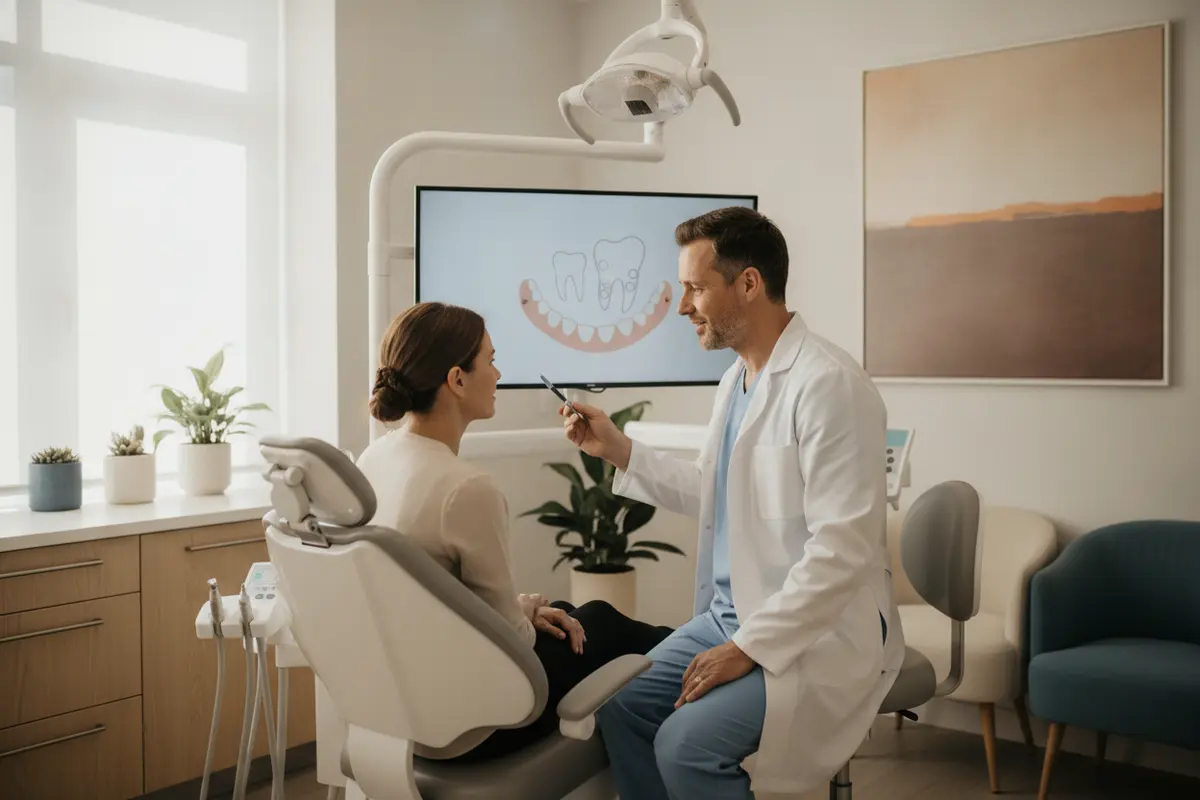
It can also help to bring someone you trust if that makes it easier to remember information or talk through choices. Let the office know in advance if you would like another person present, since privacy and room arrangements may affect what is possible. If you prefer to attend alone, taking notes or asking for written instructions can help you review the plan after the visit. For practical questions, ask how long the appointment is expected to take, what paperwork is needed, and whether to bring previous records. These details can reduce last-minute uncertainty when balancing work, family responsibilities, or travel across San Diego.

What if you feel nervous about dental care?
Tell the team what makes visits difficult so comfort and communication can be part of the plan.
Dental anxiety is a real concern, and you do not have to wait until you are in the chair to bring it up. You might be worried about discomfort, sounds, needles, feeling rushed, or not knowing what will happen. Being specific gives the dental team a chance to discuss ways to make the visit more predictable. You can ask the dentist to explain each step before it happens or agree on a signal to pause.
Marcos Ortega DDS emphasizes patient comfort and offers sedation dentistry. Sedation is not suitable for everyone and is not a substitute for an examination or a discussion of risks. If you are curious about it, ask whether an assessment is appropriate for your health history, the planned care, and your needs. Screening, monitoring, and instructions are part of determining whether a sedation option may be considered.
Some patients prefer to start with a conversation about their concerns before deciding on treatment. The practice’s patient comfort information can help you understand the topic and prepare questions. For an overview of the office, see the office tour. The practice is in Hillcrest, serves patients from nearby Downtown San Diego neighborhoods, and offers free parking. You can also review patient testimonials to hear about other patients’ experiences, while remembering that each person’s care is individual.
How can you make the appointment easier to manage?
A good visit makes room for the information you need, your comfort needs, and the practical steps that follow.
Tell the office if you have mobility, communication, or sensory needs that could affect your visit. Patients may have different reasons for asking for adjustments, and sharing what would help is often the best way to start the conversation. The practice offers information about its accessibility features; contact the office in advance if you have a specific question about access or arrangements.
Before the visit, decide what a useful outcome would be for you. You may want to understand a new symptom, get an overall picture of your oral health, ask about a prior recommendation, or establish care after moving to San Diego. You can tell the dental team your top priority at the beginning. If several topics need attention, ask how they can be addressed during this appointment or whether another visit would allow enough time.
There is no need to accept a recommendation you do not understand. If a next step is suggested, ask for the reason, what information supports it, and whether alternatives are appropriate. Some decisions may need to be made promptly; others may allow time to review details or ask follow-up questions. The dentist can explain which situation applies to the findings in your exam. If you want to think it over, ask what to watch for and when to reconnect.
When planning an appointment around work, school, or family schedules, ask what the visit is expected to include and whether a cleaning or additional evaluation may require more time. The practice can clarify scheduling details, but the exact course of care cannot be known before the clinician reviews your needs. Bring any questions about insurance or payment to the office team; benefits vary by plan, and the office can explain information available for the care being discussed.
Keeping a record of the agreed next step can make follow-through easier. Note any appointment date, home-care instructions, or questions you want to revisit. If you are arranging care for more than one family member, ask the office how to coordinate the appointments rather than assuming each person will need the same schedule.
How do you decide what happens after the checkup?
Use the exam findings and your priorities to agree on a manageable next step, rather than feeling pressured to decide everything at once.
After the examination, the dentist should explain any findings and what they mean for your care. Some people may need only routine follow-up. Others may be advised to schedule a cleaning, obtain additional assessment, or discuss treatment for a particular concern. The plan is based on the examination and the individual, not on a one-size-fits-all calendar.
If more than one issue comes up, ask which needs attention first and why. It may be helpful to separate immediate concerns from longer-term goals. For example, someone who wants to improve their smile may also have questions about gum health or a sensitive tooth. Addressing the whole picture helps the dentist discuss choices in an order that makes sense for your health and priorities.
| Visit step | What it helps clarify |
|---|---|
| Health-history review | Relevant conditions, medicines, and prior care |
| Oral examination | Current findings and areas that may need attention |
| Discussion of options | Possible next steps, questions, and preferences |
| Follow-up planning | Timing, additional visits, and instructions |
This overview is a conversation aid, not a prediction of what your specific appointment will include. If the plan involves restorative or other treatment, you can review the practice’s general dentistry services and ask how the recommended care relates to your exam. Marcos Ortega DDS provides comprehensive dental services in the office, but the appropriate service and timing depend on an individual evaluation.
How often should you schedule a dental checkup?
Your dental professional can recommend a follow-up interval based on your oral health, history, and current needs.
There is no single schedule that is right for every person. Your dentist may consider your current oral health, previous findings, risk factors, home-care routine, and any active treatment when suggesting when to return. Follow the interval that your dental professional recommends, and ask what factors informed that timing. If your health or symptoms change between visits, contact the office rather than waiting for a routine appointment.
Families can make scheduling easier by keeping a shared reminder and planning around school, work, and transportation. A parent or caregiver can help a child prepare by explaining that the visit includes a chance to ask questions and have a dental professional look at their mouth, without promising exactly what the exam will involve. Each person in a family has their own health history and needs, so one person’s findings or follow-up timing do not automatically apply to everyone else. Let the office know if a family member needs extra time, a quieter explanation, or another accommodation. If you are new to the area or have not had a checkup in a while, say so without embarrassment. The useful next step is to arrange an evaluation and explain what you need help with, not to judge how long it has been.
Contact the office to plan your checkup
Frequently asked questions
Is a dental checkup the same as a dental cleaning?
No. A checkup is an examination and discussion of your oral health. A cleaning focuses on removing deposits from teeth. They may be scheduled together or separately depending on your needs and the office schedule.
Will I need dental X-rays at my first visit?
Not necessarily. A dentist may recommend images when they are useful for evaluating your situation, but the decision depends on your history, exam findings, and clinical needs. Ask why an image is being recommended and what information it may provide.
What if I am anxious about the appointment?
Tell the office before the visit and explain what concerns you. You can ask about communication, comfort measures, and whether a sedation evaluation may be appropriate. Sedation requires a suitability assessment and is not right for everyone.
What should I do if I have a new symptom before my scheduled checkup?
Contact a dental office and describe the symptom, when it began, and whether it is changing. The team can advise you about an appropriate next step. An online article cannot determine the cause or urgency of an individual symptom.
What should you remember?
A dental checkup is a chance to share your concerns, understand your oral health, and make a plan with a dental professional. Bring the health information you have, ask questions in plain language, and speak up about comfort needs. For a dental checkup in San Diego, Marcos Ortega DDS welcomes patients to discuss their needs and plan an individualized next step.