

Dental bonding is a popular cosmetic dentistry procedure in the San Diego area, but there are many patients who don’t know exactly what it is or when it is useful to have the procedure done. Today in the San Diego Dental Blog, we explain 7 ways dental bonding is used in cosmetic dentistry.
The dental bonding procedure uses a resin material that is sturdy and tooth-colored. It is applied to the teeth while soft, like putty, and then hardened or set with a special light. The material bonds with the tooth and can then be shaped and polished.
Request a free cosmetic dentistry consultation with Marcos Ortega DDS.
How Long Does Dental Bonding Last?
Dental bonding commonly lasts about three to 10 years, but the timeframe varies. Tooth location, bite pressure, grinding, daily habits, oral care, and repair size can affect durability. A dental examination can help determine whether bonding remains a good fit and what maintenance, repair, or replacement options may be appropriate.
What affects the lifespan of dental bonding?
Composite resin is shaped and polished to blend with the tooth, but it is not indestructible. Bonding on a front tooth may experience different forces than bonding on a back tooth. A larger repair or a tooth exposed to heavy bite pressure may need closer monitoring.
- Location: Teeth that handle more chewing force may place greater demands on the material.
- Bite and grinding: Clenching or grinding can contribute to chips, wear, or changes in the bonding.
- Daily habits: Biting ice, pens, fingernails, or hard objects can damage resin.
- Food and drinks: Coffee, tea, red wine, and other strongly colored foods and drinks may affect the appearance of composite over time.
- Size and purpose of the repair: A small cosmetic edge repair may have different maintenance needs than a larger restoration.
- Oral health: Decay, gum changes, or an uneven bite should be evaluated before deciding how to maintain or replace bonding.
How can you maintain dental bonding at home?
A simple routine can help protect the appearance and condition of bonded teeth. Maintenance cannot guarantee a specific lifespan, but it can reduce avoidable stress on the material.
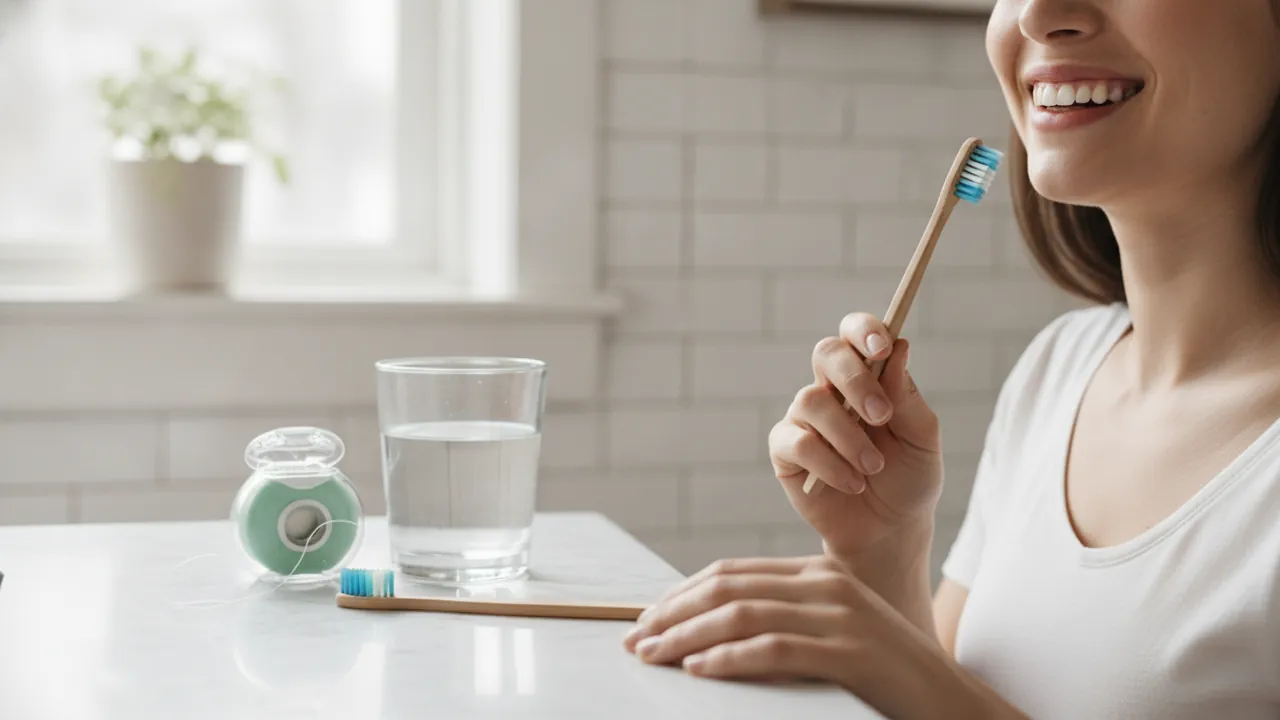
- Brush twice daily with a soft-bristled toothbrush and clean between your teeth every day.
- Use dental products recommended for your needs, and avoid using bonded teeth to open packages or bite hard objects.
- Ask about a custom mouthguard if you clench or grind your teeth, especially at night.
- Attend regular dental visits so the bonding and the tooth underneath can be checked.
- Tell your dentist if the edge feels sharp, the material looks different, or your bite has changed.
What should you do if bonding chips or wears?
Do not try to file, glue, or reshape dental bonding at home. If a bonded area chips, feels rough, becomes sensitive, or changes your bite, contact a dental office for an evaluation. Depending on the tooth, the size of the change, and the condition of the surrounding enamel, a dentist may recommend polishing, repair, replacement, or another treatment.
When should you ask about another option?
Dental bonding can be useful for selected cosmetic or restorative concerns, but it is not the best choice for every tooth or every goal. If you want to change several teeth, address substantial damage, or seek a different balance of durability and appearance, ask about the available options. Marcos Ortega DDS can review your goals, oral health, bite, and the condition of the tooth before recommending a path.
To compare bonding with other cosmetic dentistry options in San Diego, schedule a consultation and bring your questions about maintenance, repair, and long-term planning.
Dentists will usually consider the option of bonding when 1) decayed, 2) chipped, or 3) cracked teeth need to be repaired.
4) Large spaces between teeth can be filled with bonding material, and 5) roots can be protected by bonding after gums recede.
6) Discolored teeth can also be improved using the bonding process, and, since the material is easily shaped, teeth can be made to 7) look longer or just have the general shape changed. Bonding is often used, along with teeth whitening, when having a smile makeover.
Talk with Marcos Ortega DDS about dental bonding and your smile goals.
Dental Bonding Longevity: Common Questions
Dental bonding may last for years, but its durability depends on the tooth, bite, habits, oral care, and the size of the repair. The questions below offer general guidance. A dentist must examine the tooth to discuss an individual recommendation.
Does dental bonding last forever?
No. Dental bonding commonly lasts about three to 10 years, although some repairs may need attention sooner or remain useful longer. Your dentist can assess wear, staining, chips, and the condition of the tooth at regular visits.
Can a dentist repair chipped bonding?
Often, a dentist can evaluate whether a small area can be polished or repaired. The appropriate approach depends on the location and size of the chip, your bite, and the condition of the tooth. Do not attempt to repair bonding yourself.
Does dental bonding stain?
Composite resin can change in appearance over time, particularly with repeated exposure to strongly colored foods and drinks. Good oral hygiene and regular dental care can help, but a dentist should evaluate any noticeable discoloration before discussing touch-up or replacement options.
How can I find out if bonding is right for me?
Schedule an evaluation with Marcos Ortega DDS. The dentist can review your oral health, bite, tooth structure, cosmetic goals, and maintenance expectations before discussing bonding or other options.
Hi. I’m Dr. Marcos Ortega, of Marcos Ortega DDS in San Diego. I want my patients to have the best oral health possible. I also want them to look their best, and my practice offers the following services:
- Dental implants
- Sedation dentistry
- Dental crowns
- Teeth whitening
And more! So, if you are in the San Diego area and are in need of dental care or have cosmetic dentistry questions, please give us a call at 619-295-4545.
We hope to hear from you soon!
Dr. Marcos Ortega
Marcos Ortega DDS
306 Walnut Ave, Ste 25
San Diego, California
619-295-4545
https://www.mysandiegosmiles.com/about/
The following website was used as source material for this blog:
http://www.webmd.com/oral-health/guide/dental-bonding, accessed on Mar. 7, 2013