
If you are asking what are signs of a failed dental implant, the key is to notice a change and have it assessed rather than trying to diagnose it yourself. Movement, persistent or increasing discomfort, swelling, or a new change in how your teeth meet all deserve attention. A symptom does not prove that the implant itself has failed: the crown or other parts may be involved, and only an exam can help clarify what is happening.
What can “implant failure” mean?
A dental implant is a system, and a problem with one part does not automatically mean the implant fixture has failed.
The implant fixture is the portion placed in the jaw. It connects to an abutment, which supports the visible crown or denture. A concern may involve the fixture, the surrounding gum or bone, or a component of the restoration. For example, a loose crown can feel as if the whole implant is moving. The distinction matters because the cause and appropriate response can differ.
Dental implant problems can occur at different stages. An implant may not integrate as expected with the jaw, or a concern may arise after the restoration has been in use. A review of reported causes and management options describes implant failure as a clinical issue that requires determining the cause before considering treatment. It does not mean that every sore or unusual sensation is implant failure. This review of dental implant failure and its management is one source on why assessment depends on the specific problem.
Marcos Ortega DDS provides comprehensive care in Hillcrest and Downtown San Diego, with more than 34 years serving the area. An implant consultation can help sort out what needs attention and what options may be appropriate based on exam findings, oral health, and your goals.
What signs should you watch for?
Pay attention to symptoms that persist, worsen, or represent a clear change from how your implant normally feels.
Some changes are easy to miss, especially if they develop gradually. Rather than repeatedly testing the area, notice when the symptom began, whether it is changing, and whether it affects eating or your bite. Contact a dental professional if you notice any of the following:
- Movement in the implant or restoration: A tooth-like crown that shifts, rocks, or feels unstable needs evaluation. The crown or connecting parts may be loose, or the movement may involve the fixture. Do not try to determine which part is moving by wiggling it.
- Persistent or worsening discomfort: Pain or tenderness that does not settle, returns, or becomes more noticeable warrants a call. Pain alone cannot identify the cause, and discomfort can come from nearby teeth, gums, or the restoration as well.
- Swelling or redness around the implant: Irritated, puffy, or bleeding gum tissue should not be ignored, particularly when it persists or is getting worse. These signs need an exam; they do not confirm a particular diagnosis.
- A change in your bite: If the implant crown seems to hit first, feels higher than before, or makes chewing feel different, let the dental office know. A change may involve the restoration or bite and should be checked rather than adjusted at home.
- A restoration that feels different: A crown that seems loose, chipped, or newly uncomfortable may need attention even if the implant fixture is stable.
- Changes near the gumline: New tenderness, visible changes in the gum, or an area that is difficult to keep clean may be useful details for the dentist. Avoid probing the site with sharp objects.
Symptoms can overlap. A sore gum and an altered bite may occur at the same time, and neither identifies the cause by itself. A useful way to think about a warning sign is to ask whether it is new, persistent, worsening, or affecting everyday function. One short-lived sensation after chewing may differ from a crown that has felt unstable for several days, but only an exam can determine whether either situation needs treatment. Note the pattern without repeatedly pressing on the implant. Also note whether the concern appears only when chewing, whether the gum looks different, or whether the area is difficult to clean. These observations help the dental team understand what has changed without turning a home check into a diagnosis.
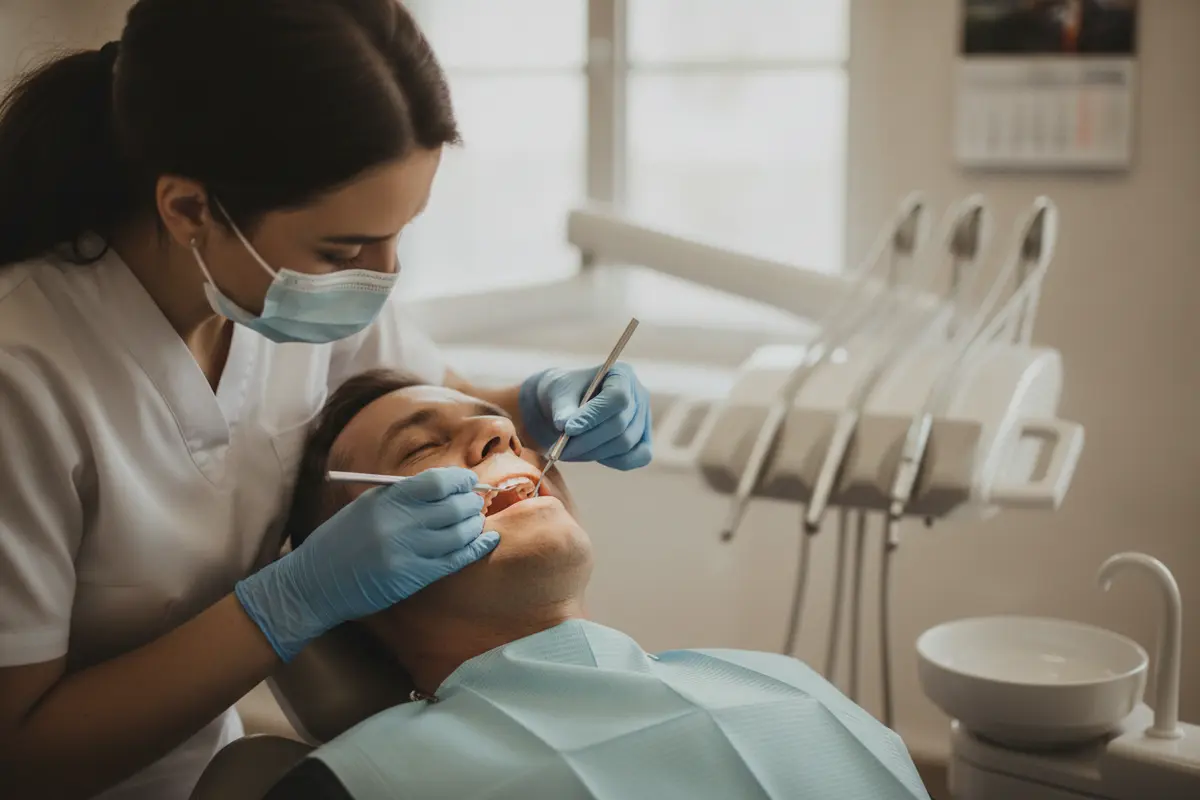
How can you tell a crown issue from a problem with the implant?
The feeling of looseness is a reason to arrange an evaluation, not a reliable way to identify which implant component is affected.
The visible tooth is attached to the implant through connecting components. A loose or damaged crown can change how the area feels while the implant fixture remains stable. Conversely, movement of the fixture itself is a significant concern that needs professional assessment. It is not possible to reliably separate these situations by touch or appearance at home.
Use these observations as a communication aid, not as a diagnosis or substitute for an exam.
| What you notice | A sensible next step |
|---|---|
| Crown feels loose, chipped, or uneven | Call the dental office and describe the change; avoid chewing hard foods on that side until you receive guidance. |
| Implant area seems to move | Arrange prompt dental evaluation. Do not keep testing or pushing it. |
| Persistent swelling, redness, or tenderness | Contact a dental professional and share when it began and whether it is changing. |
| New bite contact or discomfort with chewing | Ask for an assessment of the restoration, bite, and surrounding tissues. |
A dentist may need to examine the crown and its connections, the gums, and the implant area to understand the source. If you have questions about the practice’s dental implant services, review the available information before your visit.
What happens during an implant evaluation?
An evaluation brings together your symptoms, dental history, clinical findings, and any imaging needed to understand the concern.
When you call, describe the change plainly. Mention whether the crown or implant seems to move, where you feel discomfort, when it started, and whether symptoms are getting better or worse. The office can advise you about the appropriate timing for an appointment. At the visit, the dentist may:
- Ask about the timeline and symptoms. Explain when you first noticed the change, whether it affects eating, and whether anything recently changed with the restoration.
- Review your dental and implant history. Prior treatment details and earlier images, if available, can help provide context.
- Examine the restoration and surrounding tissues. The dentist can assess the visible crown, its connection, the gum tissue, and nearby teeth.
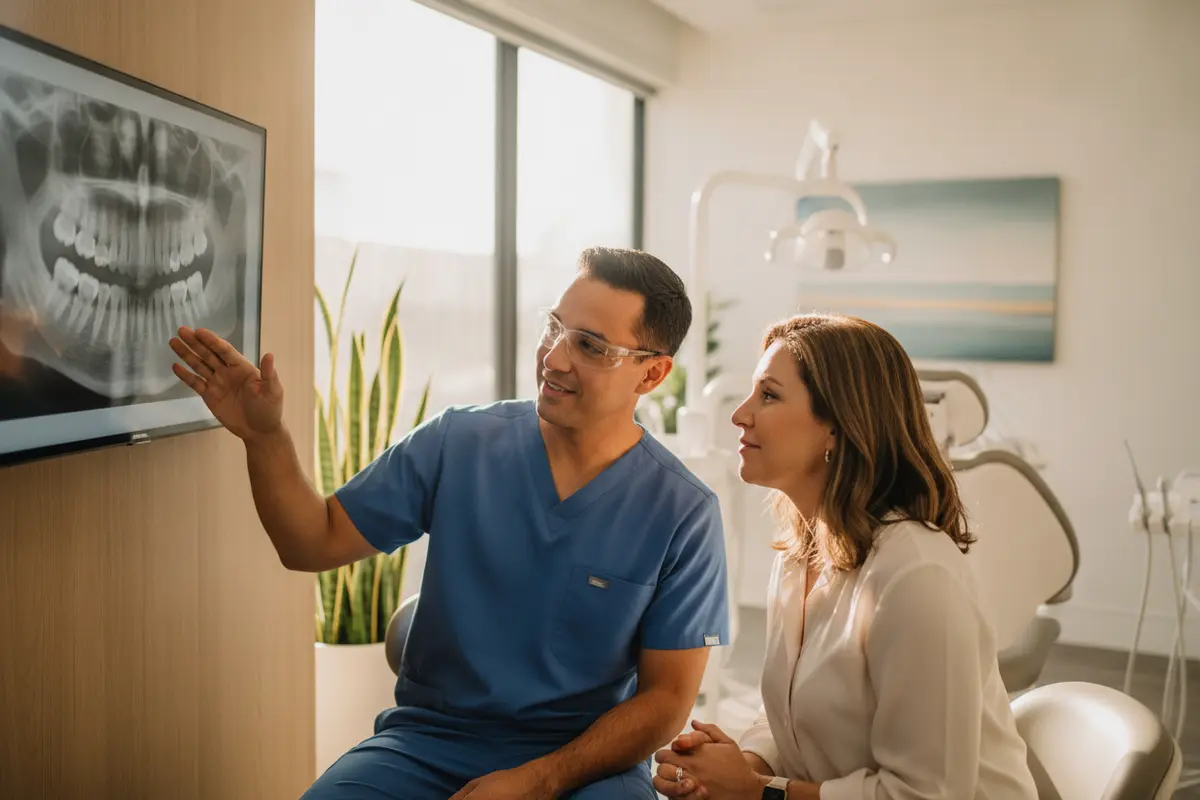
- Consider imaging when appropriate. An x-ray or other imaging may help assess the area. The dentist decides what is useful based on the exam and your history.
- Discuss findings and next steps. If a component needs attention or further assessment is appropriate, the dentist can explain options and their limitations.
Not every symptom requires the same treatment, and there is no single home test that confirms implant failure. Depending on findings, the issue may be with the restoration, the surrounding tissues, or the implant itself. The plan should follow an individual assessment rather than assumptions based on one symptom. An evaluation is also a chance to ask what the dentist found and what remains uncertain. You can ask which part appears to be involved, whether additional imaging or monitoring is recommended, what changes should prompt another call, and when follow-up should occur. If treatment is suggested, ask what the proposed step is intended to address and whether there are alternatives appropriate to your findings. A clear explanation can help you understand the decision without assuming every implant concern calls for removal or replacement. If you have records or details from an earlier implant procedure, bring them if convenient, but do not delay asking for help because you cannot locate them.
For patients in Hillcrest, Mission Hills, Banker’s Hill, Park West, Middletown, and Downtown San Diego, a consultation provides an opportunity to discuss implant concerns with a practice that offers comprehensive dental care. Marcos Ortega DDS has served San Diego for more than 34 years and offers a free dental implant consultation. You can also learn more about restorative dentistry and the practice’s background.
What should you do while waiting for an appointment?
Protect the area, avoid experimenting with it, and share clear details with the dental team.
- Call your dentist and explain the main symptom, when it started, and whether it is changing.
- Keep the area clean with gentle brushing. Do not press, probe, or repeatedly test the implant.
- If chewing is uncomfortable, choose foods that do not aggravate the area and avoid biting hard foods directly on the restoration until you have guidance.
- Do not use household adhesives, attempt to tighten a component, or make adjustments yourself.
- If the crown or another part comes loose, keep it in a clean container and ask the dental office what to do. Do not attempt to reattach it.
When speaking with the office, separate what you observed from what you suspect. For example, say the crown seems to shift when you chew rather than concluding that the implant has failed. Mention if the issue began after a recent dental visit, restoration adjustment, or other change. These details help the dental team understand the situation and decide how to arrange an assessment; they do not replace the exam. Seek urgent medical care if you have trouble breathing or swallowing, or rapidly increasing facial swelling. For severe or rapidly worsening dental symptoms, contact a dental professional promptly for advice about the appropriate level of care. These general steps do not replace an individualized assessment.
What may increase the need for follow-up?
Symptoms that continue, return, or interfere with normal use deserve a conversation with a dental professional.
A single brief sensation may not tell you much, but a pattern can be useful. Contact the office if discomfort persists or escalates, swelling does not settle, the restoration becomes unstable, or your bite continues to feel different. Do not wait for pain to become severe before asking whether an exam is needed. To make a follow-up conversation more useful, keep a brief note of what changed and when. You might record whether the concern is present all the time or mainly while eating, whether it is improving or worsening, and whether you notice swelling or a visible change in the crown. A photo of a visible change may help you explain what you saw, but it cannot show what is happening below the gumline or replace professional evaluation. Avoid repeatedly checking the area; a simple description is enough to start the conversation.
Do not assume that a symptom means the implant must be removed or replaced. The dentist needs to identify what is affected and consider the available information first. A review of implant failure management discusses different clinical situations and possible approaches; these depend on the cause and case rather than one universal response.
Patients who feel anxious about dental visits can ask about comfort options when arranging care. Marcos Ortega DDS emphasizes comfort-focused dentistry and has DOCS-certified sedation expertise; suitability for sedation requires screening and a discussion with the dental team. The office is in Hillcrest, with free parking noted among the practice’s access features. If anxiety makes it harder to arrange an evaluation, tell the team when you call so they can discuss what to expect. You can read about the office’s patient comfort options before deciding what questions to ask. Sedation is not appropriate for everyone, and any option should be discussed based on your health history and planned visit.
Schedule a dental implant consultation
Frequently asked questions
Does a loose implant crown always mean the implant has failed?
No. The crown, a connecting component, or the implant fixture may be involved, and the sensation alone cannot distinguish them. Contact a dentist rather than trying to move or tighten the parts yourself.
Can an implant problem happen without pain?
A change in movement, the bite, or the surrounding gum can be worth checking even if it is not painful. Pain is not the only reason to contact a dental professional, and an exam is needed to understand the cause.
How quickly should I call about swelling around an implant?
Contact a dental professional promptly if swelling is persistent, increasing, or accompanied by worsening discomfort or other changes. Rapid facial swelling or difficulty breathing or swallowing requires urgent medical attention.
Can I check whether the implant is moving by pushing on it?
No. Repeatedly pushing or wiggling the restoration may aggravate the area and will not reliably identify the source. Describe what you noticed and let a dentist examine it.
What should you remember about possible implant failure?
Notice meaningful changes, avoid self-diagnosis, and arrange an evaluation when symptoms persist or the restoration feels unstable.
Movement, lasting or worsening discomfort, swelling, and a change in your bite are all reasons to ask a dental professional for guidance. They do not establish that the implant itself has failed. A careful evaluation can help determine whether the concern involves the crown, another component, surrounding tissues, or the implant. If something feels different, sharing that change early is a practical next step.