
Searching for dentures cost in San Diego can be frustrating because two estimates may look very different while describing legitimate treatment plans. The total is shaped by the type of denture, the condition of your mouth, the materials selected, and the care needed before and after delivery. A consultation can turn a broad online question into a written estimate built around your needs.
Request a Denture Consultation in San Diego
What does denture cost usually include?
Answer: A denture estimate may include the prosthetic itself, examinations, impressions or digital records, try-in visits, adjustments, and delivery. Some plans also include extractions, temporary appliances, relines, or other restorative care. Ask the dental office to separate each item so you can compare estimates accurately.
A denture is not a single off-the-shelf product. It is a dental prosthesis planned around your remaining teeth, gum and bone tissues, bite, appearance goals, and ability to maintain it. That is why a responsible office may discuss your goals and examine your mouth before quoting a final amount.
When you review an estimate, look for these building blocks:
- Evaluation and records: The plan may include an examination, images, impressions, digital records, or other information needed to design the appliance.
- The denture appliance: The estimate should identify whether it is a partial, complete, immediate, conventional, or implant-supported denture.
- Laboratory work and materials: The base, denture teeth, framework, and laboratory process can affect the fit, appearance, and fee.
- Appointments: Ask whether try-in, delivery, adjustment, and early follow-up visits are included.
- Related treatment: Extractions, fillings, gum care, relines, or implant placement may be separate parts of the overall plan.
Which denture option changes the estimate most?
Answer: The largest differences often come from whether you need a partial or full denture, whether the appliance is immediate or made after healing, and whether implants are used for support. Each option involves a different clinical process, number of appointments, laboratory design, and maintenance plan.
Marcos Ortega DDS provides denture care in Hillcrest and Downtown San Diego, including modern conventional dentures and implant-supported options. The right comparison is not simply the lowest initial fee. It is the option that fits your oral health, daily priorities, comfort needs, and long-term care plan.
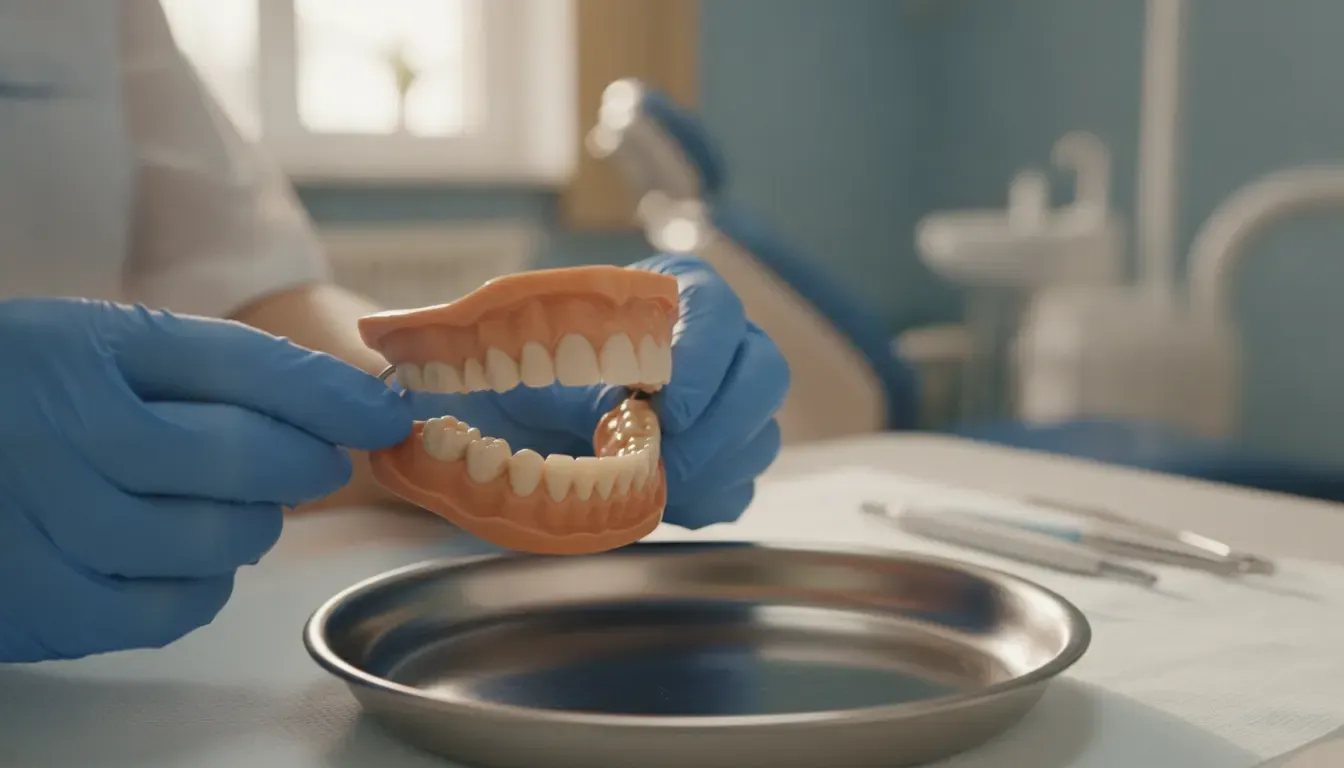
Partial dentures
- Replace several missing teeth while working around remaining teeth.
- May use a framework, clasps, or other design features based on the teeth available for support.
- Can involve additional planning when remaining teeth need treatment first.
Complete dentures
- Replace the teeth in an upper arch, lower arch, or both arches.
- Require attention to the shape of the supporting tissues, bite, speech, appearance, and retention.
- May need future adjustments as the mouth changes over time.
Immediate and conventional dentures
An immediate denture may be designed for placement around the time teeth are removed. A conventional denture is typically planned after healing has progressed. An immediate option can help with the transition after extractions, but the fit may need to be reassessed as tissues heal. Your estimate should explain the appliance, expected adjustments, and whether a later reline or replacement phase is anticipated.
Implant-supported dentures
Implant-supported dentures attach to dental implants rather than relying only on the gums and ridge for support. This can add surgical planning, implant placement, healing, restorative components, and maintenance to the treatment sequence. Read the practice’s guide to implant-supported versus traditional dentures for a fuller comparison of stability, care, candidacy, and planning.
What clinical factors can change your estimate?
Answer: Oral health, the number and location of missing teeth, the condition of remaining teeth, the shape of the gum ridge, bone levels, bite, and treatment goals can all change the recommended design. A consultation is needed to determine which factors apply and which steps are necessary.
Two people asking for the same type of denture may need different preparation. A careful evaluation helps identify the difference between the appliance fee and the care needed to make the appliance work well in that mouth.
- Remaining teeth: Teeth that will support a partial denture may need evaluation, cleaning, fillings, crowns, or other care.
- Extractions: Teeth that cannot be retained may require removal before or during the denture process. Extraction fees should be clearly identified.
- Gum and bone health: Swelling, inflammation, tissue changes, or loss of ridge volume can affect fit and sequencing.
- Bite and jaw relationship: The design must account for how the upper and lower arches meet, especially when many teeth are missing.
- Implant candidacy: Implant-supported treatment may require additional imaging, healing time, bone evaluation, or preparatory care.
- Comfort and anxiety: Patients who feel nervous about dental care can ask about comfort planning and sedation suitability during the consultation.
These factors are not reasons to assume that one option is better for everyone. They are the clinical details that help a dentist recommend an appropriate sequence instead of offering a misleading one-size-fits-all figure.
Are extractions and other preparation included?
Answer: Not always. Extractions, fillings, gum treatment, temporary dentures, imaging, bone preparation, or implant placement may be separate services or may be bundled differently by an office. Before accepting an estimate, ask which procedures are included, which are optional, and what could be needed if the examination finds another concern.
This is one of the most important questions to ask when comparing dentures cost. A lower-looking appliance fee may not represent the complete treatment investment if extractions or preparatory care are listed elsewhere. A higher estimate may include more appointments, laboratory steps, or related treatment. The only fair comparison is between plans with similar scope.
Ask for clarification on:
- Which teeth, if any, need to be removed?
- Are examinations, images, impressions, and try-in appointments included?
- Is a temporary or immediate denture part of the plan?
- How many adjustment visits are included after delivery?
- Could a reline, rebase, or replacement be expected as the mouth heals or changes?
Talk with a San Diego dental team about your denture options
How do insurance and payment options affect your share?
Answer: Your out-of-pocket share depends on your plan’s coverage, deductible, annual maximum, waiting periods, exclusions, and whether the recommended services are covered. The dental office can review available information, but your insurer makes the final coverage determination. Ask for a written estimate and any preauthorization guidance before treatment.
Insurance coverage is not the same as the total treatment fee. A plan may treat the denture appliance, extractions, implants, relines, and diagnostic services differently. Coverage can also depend on replacement limits and the age of an existing appliance.
During a financial conversation, bring:
- Your current dental insurance information and questions about the plan’s denture benefit.
- A list of previous dentures, repairs, or replacements if your plan asks about timing.
- Questions about deductibles, annual maximums, waiting periods, and patient portions.
- Any need to phase care so you can understand the clinical and financial sequence.
Marcos Ortega DDS emphasizes upfront cost discussions, written treatment plans, insurance clarification, and a no-pressure approach. Payment or financing options, including CareCredit when available, should be reviewed directly with the practice and confirmed for your proposed treatment.
What should a San Diego denture estimate include?
Answer: A useful estimate identifies the denture type, the arch or teeth being replaced, the materials or design level, preparation, laboratory steps, appointments, adjustments, insurance assumptions, and possible future maintenance. It should also explain what is not included so there are no surprises when the plan changes.

Use this checklist when reviewing a proposed plan:
- Type and scope: partial, complete, immediate, conventional, or implant-supported, and upper, lower, or both.
- Preparation: examination, imaging, extractions, gum care, fillings, or other restorative needs.
- Design and materials: denture base, teeth, framework, attachments, and laboratory services.
- Timeline: expected visits, healing periods, try-in, delivery, and early adjustments.
- Maintenance: cleaning instructions, relines, repairs, replacement planning, and implant upkeep when applicable.
- Financial assumptions: insurance information used, estimated patient portion, and services that remain subject to examination findings.
How should you compare denture estimates?
Answer: Compare the treatment scope, not just the headline fee. Confirm that the estimates describe the same type of denture, preparation, laboratory work, appointments, adjustments, and follow-up. Then weigh fit, function, comfort, communication, and the provider’s ability to coordinate related care in one office.
- Match the treatment type. A partial denture and a full denture are not equivalent comparisons, and traditional and implant-supported options follow different treatment paths.
- Separate required care from optional upgrades. Ask which steps are necessary for oral health and which relate to material, attachment, or cosmetic preferences.
- Ask about follow-up. Early sore spots, fit changes, and adjustment needs are part of the real patient experience, even when they are not in a headline quote.
- Discuss comfort before treatment. If dental visits create anxiety, share that early so the team can explain comfort measures and assess whether sedation is suitable.
- Choose a plan you understand. A clear estimate and time for questions are more useful than a number without context.
For patients considering broader restorative care, the restorative dentistry services page explains how dentures, implants, crowns, bridges, and other treatments may fit into a coordinated plan.
Request a personalized denture estimate from Marcos Ortega DDS
Frequently asked questions about dentures cost
How much do dentures cost in San Diego?
There is no responsible single price for every San Diego patient. Dentures cost different amounts based on the type of appliance, materials, preparation, laboratory work, number of visits, and whether implants or extractions are involved. A dental examination is the best next step for an individualized estimate.
Are implant-supported dentures more expensive than traditional dentures?
They often involve more phases because implants require surgical placement, healing, restorative components, and ongoing maintenance. The difference depends on the treatment plan and candidacy. Ask for an itemized comparison that separates the denture, implant, preparatory, and follow-up portions.
Does insurance cover dentures?
Some dental plans provide benefits for dentures, but coverage varies by plan and may include deductibles, waiting periods, annual maximums, replacement limits, or exclusions. Ask the office to review available information and contact your insurer for a final coverage decision.
Are extractions included in a denture estimate?
They may be listed separately or included as part of a broader treatment plan. Ask which teeth need removal, whether temporary or immediate dentures are included, and how healing and future adjustments affect the sequence.
Can dentures be comfortable?
Comfort depends on fit, tissue health, bite, adaptation, care, and follow-up. New or persistent pain, looseness, sores, or difficulty chewing should be evaluated. Do not use household glue or make an irreversible adjustment to a denture without professional guidance.
This educational guide is not a diagnosis or a substitute for an examination. Denture recommendations and estimates depend on your oral health, available teeth, tissues, goals, and treatment preferences.