
A night guard may look like a simple piece of plastic. The right appliance starts with understanding why you clench or grind. It also depends on how your teeth and bite respond. A dental evaluation can help identify signs of bruxism, such as worn or chipped teeth, sensitivity, jaw soreness, or morning fatigue. It can also distinguish a dental night guard from an oral appliance designed for sleep apnea.
Schedule a night guard consultation in San Diego
Quick answer: There is no universal night guard cost. An individualized estimate may reflect the examination, records, appliance design, material, custom fabrication, fit check, adjustments, and follow-up your situation requires. Comparing only the price of the plastic can leave out the clinical planning that determines whether the appliance is appropriate.
For patients in Hillcrest, Downtown San Diego, Mission Hills, and nearby neighborhoods, a consultation is a chance to ask what type of guard is being recommended. You can also ask what the quoted care includes and how the appliance will be checked over time. This guide explains the main cost factors without substituting a fixed online price for an examination.
What Does Night Guard Cost Really Depend On?
Night guard cost is based on the appliance and the care needed to plan, make, fit, and maintain it, not on a single universal price. A dentist may need to examine your teeth, bite, jaw muscles, and symptoms before recommending a design. A responsible estimate therefore follows an evaluation rather than coming from a generic price list.
Several parts of the process can affect the total:
- Examination and records: Your dentist may review when symptoms occur, whether a sleep partner notices grinding, and whether you have tooth wear, sensitivity, or jaw discomfort. The teeth, jaw muscles, and joints may also be examined for tenderness or restricted movement. The National Institute of Dental and Craniofacial Research explains bruxism signs and why some people grind without realizing it.
- Appliance design: A guard may be made for the upper or lower teeth and may use a hard, soft, or combined material. The choice depends on the clinical situation, bite, oral health, and pattern of clenching or grinding.
- Custom fabrication: Digital scans or impressions can provide the records used to fabricate an appliance. Laboratory work and the specifications sent to the fabricator may be part of the treatment plan.
- Fit and follow-up: The care may include checking how the guard contacts your teeth, feels in your mouth, and works with your bite. An adjustment may be appropriate if the fit changes or the appliance shows wear.
At Marcos Ortega DDS, treatment planning is individualized based on examination findings, needs, and goals. The practice does not publish one blanket night guard price because appropriate design and fabrication needs vary. You can begin by reviewing the practice’s general dentistry services and asking which evaluation is appropriate for your concern.
Insurance is also plan-dependent. Before ordering, ask your insurer whether the appliance is eligible, what documentation is required, whether a deductible applies, and whether the plan limits replacement or appliance benefits. Coverage should be confirmed rather than assumed.
Which Type of Night Guard Are You Paying For?
The label “night guard” can describe several different appliances. Their prices are not directly comparable because the way each guard is selected, made, fitted, and supported can differ. Before comparing an estimate, identify the category and confirm what is included.
| Guard type | How it is made | Question to ask |
|---|---|---|
| Stock or boil-and-bite | Ready-made or shaped at home | Is the fit appropriate for my bite? |
| Direct-to-consumer custom | Home impression and laboratory process | Who reviews the impression and handles adjustments? |
| Dentist-made custom | Exam, records, custom fabrication, and fit review | What clinical care and follow-up are included? |
- OTC stock or boil-and-bite guard: A stock guard is worn as it comes from the package. A boil-and-bite model can be softened and shaped at home, but that adjustment is limited. These products may provide a temporary barrier between upper and lower teeth. But they do not include an examination of your bite, tooth wear, jaw tenderness, or other possible causes of symptoms. Cleveland Clinic describes common mouthguard types.
- Direct-to-consumer custom guard: An online company may send an impression kit or arrange a remote process before a laboratory makes the appliance. Ask how the impression is reviewed, how the fit is assessed, and what happens if the guard is uncomfortable or needs an adjustment. A lower initial price does not answer those clinical questions.
- Dentist-made custom guard: A dentist-made appliance generally begins with an examination and records, followed by custom fabrication and a fit review. The plan may also clarify how future adjustments, wear checks, and replacement decisions will be handled.
Think of the estimate as the cost of a care process, not just the appliance itself. A useful comparison asks whether each option addresses the same purpose and includes comparable examination, fabrication, fit, and follow-up services.
Why a Custom Guard May Be Recommended for Bruxism
Answer capsule: A custom night guard may be considered when examination findings suggest that grinding or clenching could be affecting the teeth, jaw, or bite. The recommended appliance depends on your symptoms, oral health, bite, and treatment goals, so not everyone with occasional jaw tension needs the same design.
Bruxism means grinding, clenching, or gnashing the teeth. It can happen while you are awake or asleep. Some people do not realize they are doing it. During an evaluation, a dentist may ask when symptoms occur and whether a sleep partner notices grinding. The dentist may also ask about jaw muscle soreness, fatigue, headaches, or tooth sensitivity. The teeth, jaw joints, and facial muscles may be checked for wear, damage, tenderness, or restricted movement.
What influences the recommendation?
- Symptoms and timing: Jaw soreness on waking, daytime clenching, headaches, or reports of nighttime grinding provide useful context.
- Oral health: Existing restorations, enamel wear, cracks, sensitivity, missing teeth, and gum health can affect appliance planning.
- Bite and jaw function: The way the upper and lower teeth meet, along with jaw movement and tenderness, can influence the design and whether additional evaluation is appropriate.
- Goals and comfort: Protecting teeth, reducing strain, improving awareness of clenching, and finding an appliance you can use consistently may lead to different conversations.
A guard is not automatically the right response to every symptom. Mild bruxism may not require the same intervention as repeated chipping, visible tooth wear, or persistent jaw discomfort. An examination may also help distinguish bruxism from a damaged tooth, gum concern, jaw disorder, or sleep-related condition. Do not use a night guard to self-treat unexplained pain. Discuss the symptom with a dentist.
How Can Night Guard Cost Reflect Custom Fit and Value?
The value of a night guard is not determined by material alone. A useful appliance should match the reason it is being recommended, fit your teeth and bite appropriately, and come with clear instructions for care and follow-up. This is why two appliances described as custom may still involve different clinical services and different estimates.
Material and design should match the goal
Night guards and splints may be made from hard plastic or softer materials and may fit over the upper or lower teeth. The best choice depends on examination findings, the pattern of wear, your symptoms, oral health, and your goals. A material that feels comfortable at first is not automatically the right option for someone who clenches heavily, has existing restorations, or needs a specific bite relationship.
Mayo Clinic describes dental approaches used for bruxism, including the role of dental appliances in selected situations. The source does not replace a personal examination. It does reinforce why appliance selection should be connected to the underlying concern rather than based only on the lowest advertised price.
Fit and follow-up are part of the value
Professional records can make the plan more precise. Depending on the situation, the dentist may document your teeth and bite with a physical impression or digital records, then use those records to guide fabrication. At delivery, the appliance may be checked for comfort, retention, contact, and the way your bite comes together.
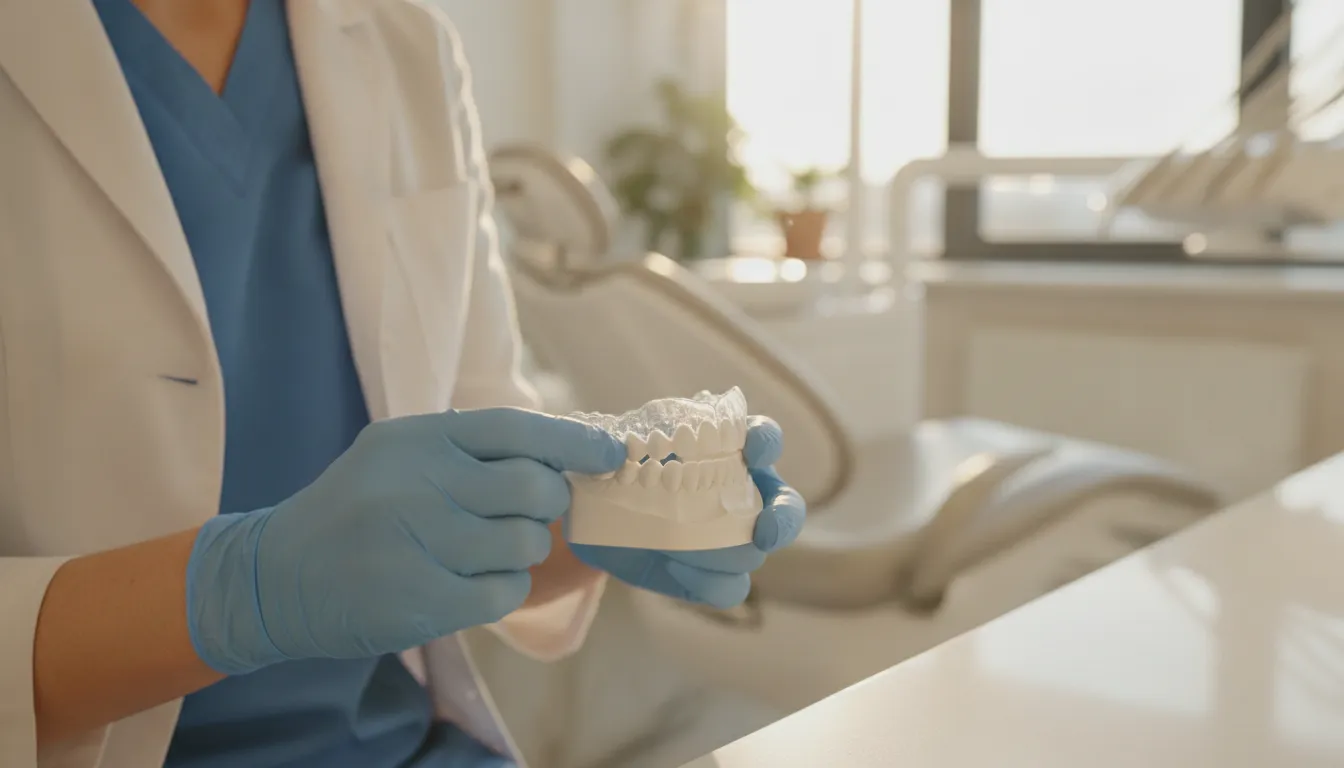
Ask what to do if the guard feels sharp, loose, tight, or uncomfortable. A change in fit may reflect appliance wear, a change in the teeth or bite, or another concern. The safest next step is a professional review, not trimming or reshaping the guard at home.
For San Diego patients, location and continuity may also matter when comparing care. Marcos Ortega DDS has served the area for more than 34 years and offers comprehensive care in a Hillcrest and Downtown-accessible setting. Free parking and in-house services can make follow-up visits easier, but the correct appliance still depends on your examination findings and goals.
Ask Marcos Ortega DDS what a custom night guard evaluation includes
How Should You Clean and Maintain a Night Guard?
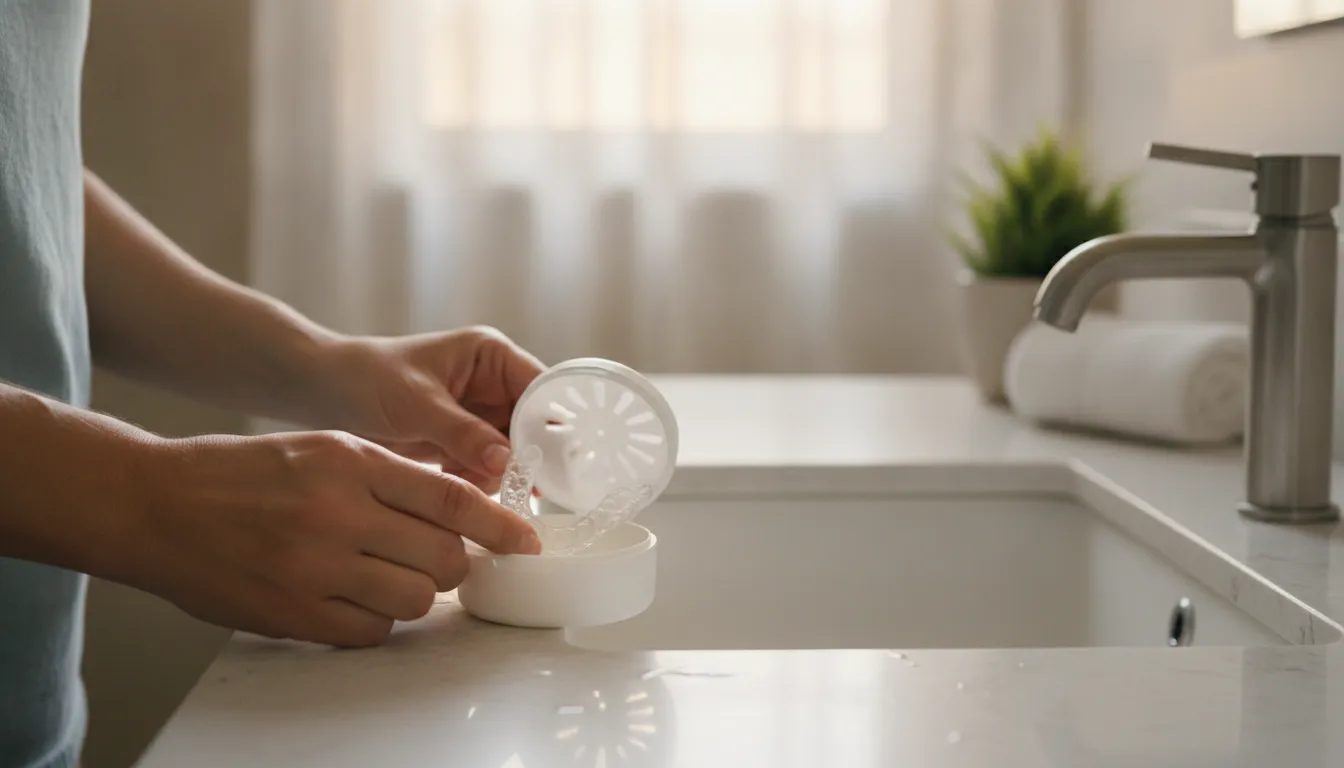
Maintenance affects comfort, hygiene, fit, and how long an appliance remains usable. Your dentist or appliance manufacturer should provide the specific cleaning instructions for your material. General care should not replace those instructions.
- Rinse after use: Rinse the guard with cool or lukewarm water after removing it. Very hot water may affect the shape of some appliances.
- Clean as directed: Use only products and methods recommended for your appliance. Avoid household cleaners, abrasive substances, and toothpaste unless a dental professional confirms that the method is appropriate.
- Dry before storage: Allow the guard to air-dry fully before placing it in a ventilated, protective case.
- Protect the case and appliance: Keep the case away from pets and heat. Do not share the appliance or leave it where it can be chewed or distorted.
- Bring it to visits: Bring the guard when fit or wear needs review so the dental team can evaluate the appliance directly.
Watch for wear or a change in fit
Look for cracks, sharp edges, thinning areas, distortion, or deep marks from grinding. Also pay attention if the guard feels unusually tight, loose, uncomfortable, or different from when it was fitted. A change may reflect appliance wear, changes in the teeth or bite, or another concern that requires examination.
There is no universal replacement timeline. The right recommendation depends on the appliance, its condition, its fit, your oral health, and the grinding or clenching pattern identified during evaluation. Never force a damaged or ill-fitting guard into place, and do not trim or reshape it yourself. Ask whether an adjustment, repair, replacement, or different design is appropriate.
What Should You Ask Before Ordering a Night Guard?
A short consultation can help you understand what you are paying for and whether the proposed appliance fits your needs. Bring questions about your symptoms, bite, daily routine, and goals. The answers can help you compare complete care plans instead of comparing isolated appliance prices.
- What is this appliance intended to address? Ask whether the guard is being considered for clenching or grinding, tooth protection, jaw-related discomfort, or another concern. The purpose should be clear before you approve it.
- What did the examination and records show? Ask what the dentist observed about tooth wear, sensitivity, jaw movement, tenderness, your bite, and overall oral health. Find out whether impressions, digital scans, photographs, or other records are needed.
- Which material and design are you recommending, and why? Ask how the selected option relates to your bite, symptoms, amount of wear, comfort preferences, and treatment goals.
- How will you check the fit? Ask how the appliance should feel when inserted and how your bite should come together. Confirm whether a follow-up fit check is included and whom to contact if the guard feels loose, sharp, uncomfortable, or difficult to remove.
- What cleaning, storage, and replacement guidance will I receive? Ask how to clean and dry the guard, where to store it, and how wear will be monitored. Replacement timing depends on the appliance and your situation.
- What does the estimate include? Ask whether the quoted care includes the examination, records, laboratory fabrication, delivery, adjustments, and follow-up. Also ask which services would be separate if additional dental care is needed.
- Does my insurance plan cover any part of this care? Ask your insurer about eligibility, documentation, deductibles, frequency limits, and preauthorization. Request the answer in writing when possible.
Is a Dental Night Guard the Same as a Sleep-Apnea Appliance?
No. A dental night guard for grinding generally separates or covers the teeth to help manage the effects of clenching or grinding. A sleep-apnea oral appliance is designed for a different airway-related purpose and requires its own evaluation and treatment plan.
If snoring, witnessed breathing pauses, gasping during sleep, or significant daytime sleepiness is part of the concern. Mention it during your consultation rather than choosing an appliance based on price alone. Marcos Ortega DDS provides information about sleep apnea and snoring solutions, but an appliance recommendation should follow an appropriate assessment.
This distinction matters because a guard selected for bruxism should not be presented as a treatment for sleep apnea. And an airway appliance should not be treated as an ordinary over-the-counter night guard. The purpose, design, records, follow-up, and clinical questions may all be different.
Frequently Asked Questions
How much does a custom night guard cost?
There is no single custom night guard cost that applies to every patient. The estimate may depend on the examination, records, appliance design, material, laboratory fabrication, fit check, adjustments, and follow-up. Ask for an itemized explanation after the dentist evaluates your teeth, bite, symptoms, and goals.
Why do dentist-made night guards cost more than store-bought guards?
A dentist-made guard may include clinical evaluation, custom records, laboratory fabrication, delivery, fit assessment, and professional follow-up. A store-bought guard generally does not include the same examination or individualized fit process. The appropriate comparison is the total care included and whether the appliance matches your needs, not just the purchase price.
Is a custom night guard worth it for bruxism?
That depends on your examination findings, symptoms, oral health, bite, and ability to use the appliance comfortably. A custom option may be considered when the dentist needs a more individualized design or fit, but not everyone with occasional clenching needs the same appliance. Discuss the purpose and alternatives before choosing.
Does dental insurance cover a night guard?
Coverage varies by plan and may depend on the diagnosis, documentation, deductible, frequency limits, and whether prior authorization is required. Contact your insurer before ordering and ask the dental office which records or treatment codes may be needed. Do not assume that a plan covers a night guard because it covers other dental services.
Is a bruxism night guard the same as a sleep-apnea appliance?
No. A bruxism guard addresses a dental clenching or grinding concern, while a sleep-apnea oral appliance is designed for an airway-related condition. If you have snoring, breathing pauses, or daytime sleepiness, raise those symptoms during an evaluation so the appropriate type of care can be considered.
Contact Marcos Ortega DDS to discuss your night guard options.