
A painless dentist focuses on reducing discomfort at every stage of care, while a sedation dentist uses medication to help eligible patients feel deeply relaxed. The terms overlap, but they are not interchangeable. Understanding the difference can help you ask better questions and choose a comfort plan that fits your health, anxiety level, and treatment.
Explore comfort-first dental care and request an appointment with Marcos Ortega DDS.
If you have delayed an exam because of fear, a sensitive gag reflex, or a difficult past experience, you are not alone. Marcos Ortega DDS combines patient-centered communication, local anesthetic, modern technology, and sedation options when appropriate. Every plan begins with an evaluation because no dental procedure can be guaranteed to feel completely pain-free for every person.
Painless dentist vs sedation dentist: the short answer
A painless dentist is not a separate dental specialty. It describes a comfort-first approach that may include gentle techniques, effective local anesthesia, clear communication, and slower pacing. Sedation dentistry is a clinical option that uses medication to reduce anxiety. Sedation relaxes you, while local anesthesia controls pain in the treatment area.
Many patients benefit from both approaches during the same visit. The dentist may numb a specific tooth so treatment does not cause sharp pain, then use an appropriate form of sedation to help the patient remain calm. The right combination depends on the procedure, medical history, medications, and personal preferences.
What the word painless should mean
In dentistry, painless should describe a goal and a method, not a promise. A comfort-first dentist listens before treatment, explains sensations you may notice, confirms that the area is numb, and invites you to signal if you need a pause. You might still notice pressure, vibration, sound, or movement even when local anesthesia is working well.
That distinction matters. A reputable dentist will not guarantee that every patient will feel nothing. Instead, the team should explain how it plans to prevent and respond to discomfort. This approach gives you realistic expectations and a clear way to stay in control.
What sedation changes
Sedation primarily changes how anxious or aware you feel during care. It does not replace local anesthesia for procedures that require numbing. Depending on the option and your individual response, you may feel calm, sleepy, or less focused on the passage of time.
Some patients remember little about a sedated visit, but responses vary. A suitability assessment is essential before sedation. The dentist needs to review your health conditions, current medicines, prior reactions, and the treatment being planned.
How does a painless dentist make care more comfortable?
Comfort starts before a dental instrument is used. A thoughtful first conversation can identify the specific triggers behind your worry. One person may fear injections, while another may worry about gagging, feeling trapped, or hearing equipment. Naming the trigger helps the dental team adapt the visit instead of applying a one-size-fits-all solution.
Communication and a sense of control
A comfort-first team should tell you what will happen next in plain language. You can agree on a hand signal for breaks, ask to hear only essential details, or request more explanation if knowing each step helps you relax. These small choices can reduce the fear of being surprised.
Honest communication also includes discussing limits. If you feel discomfort after numbing, tell the dentist promptly. The team can pause, reassess, and adjust the plan. That responsiveness is more meaningful than a broad claim that treatment will be painless.
Local anesthesia and modern tools
Local anesthetic blocks pain signals from a specific area while you remain awake. The dentist waits for it to take effect and checks the area before beginning. Topical numbing products, careful injection technique, and computer-controlled delivery tools may make the numbing process more comfortable for some patients.
Modern imaging and treatment technology can also support precise planning. However, technology is only one part of the experience. The dentist’s technique, pacing, and willingness to listen remain central to comfort.
What does a sedation dentist do?
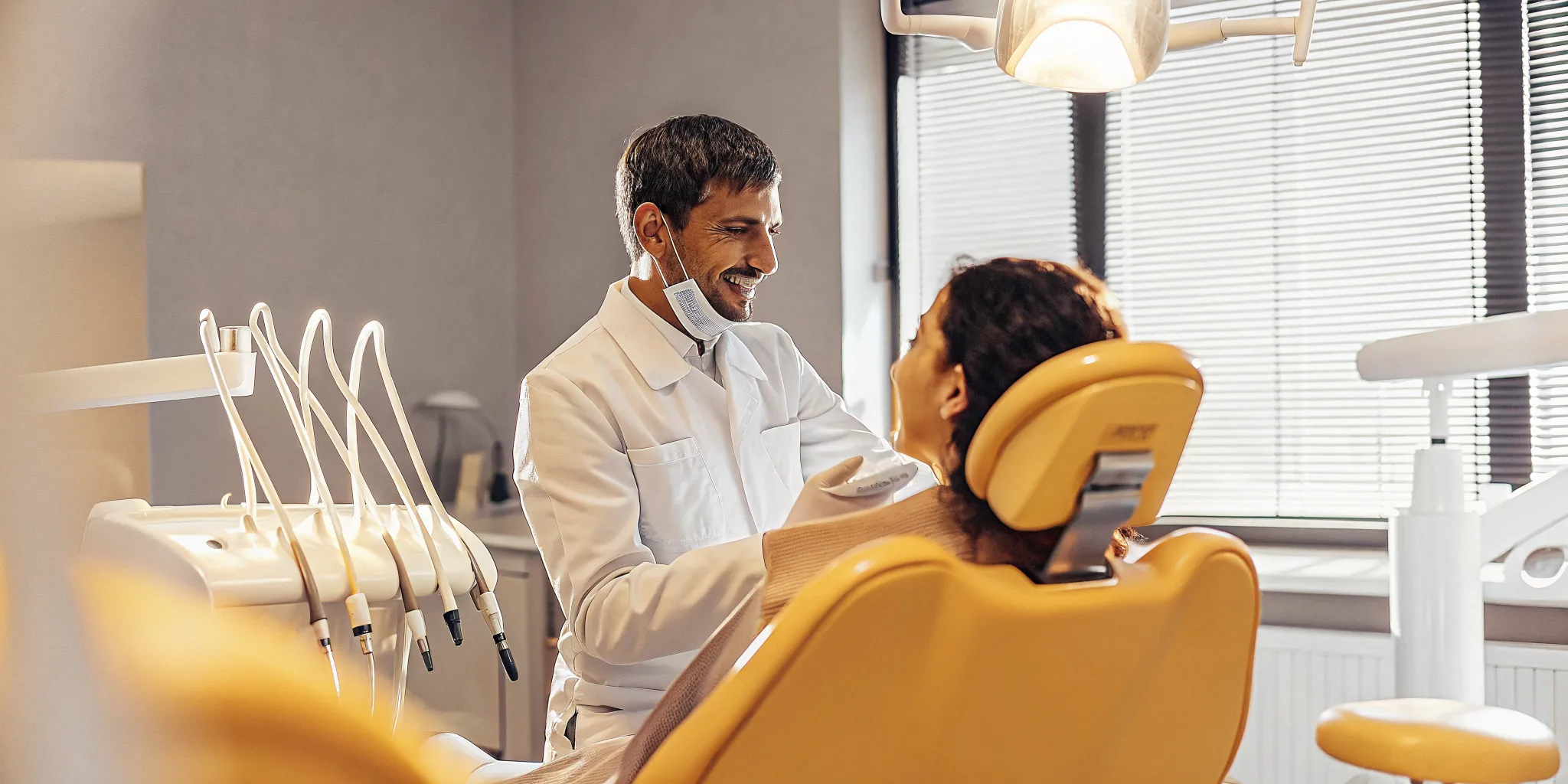
A sedation dentist is trained to assess patients and provide appropriate medication-assisted relaxation within the scope of the dentist’s training and permits. Sedation can be helpful when anxiety makes routine or complex treatment difficult. It may also help certain patients with a strong gag reflex, difficulty sitting still, or a need for a longer appointment.
Marcos Ortega DDS offers sedation dentistry in San Diego and has experience supporting anxious patients. A consultation is the place to discuss what worries you, what treatment you may need, and whether sedation is suitable.
Screening comes before sedation
Before recommending sedation, the dentist reviews your medical history, allergies, prescriptions, supplements, and prior experiences with anesthesia or sedation. Certain health conditions or medication interactions may affect which options are appropriate. The team will also explain eating, drinking, transportation, and recovery instructions.
Follow those instructions closely. Depending on the sedation option, you may need a responsible adult to bring you to the appointment, take you home, and remain with you during early recovery. You should not plan to drive or make important decisions until your dentist says it is safe.
Monitoring and aftercare
Patient safety remains the priority throughout a sedated visit. Trained staff monitor you according to the selected level of sedation and the planned procedure. The team also provides aftercare instructions so you and your support person know what is expected and when to call with a concern.
Sedation is not automatically appropriate for everyone. An exam and health review help the dentist decide whether it is a reasonable option or whether another comfort strategy would be safer.
Painless approach and sedation dentistry compared
The simplest distinction is that a painless approach aims to reduce physical discomfort and emotional stress throughout the experience. Sedation is one possible tool within that larger approach. The table below shows how the two concepts commonly differ.
| Feature | Comfort-first painless approach | Sedation dentistry |
|---|---|---|
| Primary goal | Reduce discomfort and make care feel manageable | Reduce anxiety and promote relaxation with medication |
| Common methods | Communication, pacing, breaks, local anesthesia, and comfort tools | A selected sedation option plus local anesthesia when needed |
| Awareness | Usually fully awake and alert | May feel relaxed or sleepy, depending on the option |
| Best fit | Useful for nearly every dental visit | May help eligible patients with significant fear or longer treatment |
| Preparation | Usually based on the planned procedure | Requires health screening and option-specific instructions |
| Recovery | Depends mainly on the dental procedure | May require transportation, supervision, and recovery time |
Meet Dr. Marcos Ortega and learn about his comfort-focused approach to dentistry.
Why local anesthesia still matters
Relaxation and pain control serve different purposes. Sedation can make you less anxious, but local anesthetic is generally what blocks pain in the treatment area. When a procedure requires numbing, the dentist may use both. This combination addresses the physical sensation and the emotional response separately.
Why a personalized plan matters
Two people having the same procedure may need different comfort plans. One may do well with clear explanations and local anesthesia. Another may benefit from sedation after a health review. Your dentist should recommend the least intensive safe option that adequately supports your needs.
When might sedation dentistry help?
Sedation may be worth discussing if dental fear has caused you to cancel appointments or postpone needed care. It can also be relevant when a patient has a pronounced gag reflex, finds it difficult to remain still, or anticipates a lengthy procedure. These are reasons to start a conversation, not proof that sedation is the right choice.
Dental anxiety or a difficult past experience
A past experience can shape how your body responds to a dental setting years later. Tell the team what happened and what would help you feel safer now. The dentist can discuss a gradual approach, a shorter first appointment, comfort signals, or sedation after reviewing your health.
Long or complex treatment
Some restorative or cosmetic treatment plans involve longer visits. Sedation may help an eligible patient remain relaxed while the dentist completes treatment efficiently. If you are considering care such as restorative dentistry, ask how many visits may be needed and what comfort options are available.
Strong gag reflex or difficulty sitting still
A strong gag reflex can make impressions, imaging, or work near the back of the mouth challenging. Sedation may reduce that response for some patients. The dentist can also consider positioning, breaks, and other practical adjustments before deciding on medication.
What should you ask before choosing a painless dentist?
A consultation should give you enough information to make a confident decision without pressure. Ask direct questions about comfort, safety, and the planned procedure. The answers should be specific to your situation rather than broad assurances.
- How will you confirm that the treatment area is numb before beginning?
- What can I do if I need you to pause during treatment?
- Which sedation options do you provide, and what training supports them?
- How will you screen me for sedation suitability?
- What monitoring will be used during my appointment?
- Will I need a responsible adult to take me home?
- What sensations are normal, and when should I alert the team?
Also consider whether the practice can coordinate the services you need. Marcos Ortega DDS provides comprehensive dental services, including general, cosmetic, restorative, and sedation-focused care. Keeping related treatment under one roof may make planning easier for an anxious patient.
Look for realistic language
Be cautious with absolute promises. A trustworthy painless dentist should describe specific steps to improve comfort while acknowledging that experiences vary. The dentist should also be willing to explain alternatives and revise the plan if your needs change.
Evaluate how the team responds to you
Notice whether the team listens without judgment, answers questions clearly, and respects your pace. Those behaviors are important indicators of a comfort-first practice. If you are exploring appearance-focused treatment, the same approach should carry into a cosmetic dentistry consultation.
Frequently asked questions
Can dentistry be completely pain-free?
No dentist can guarantee a completely pain-free experience for every person. Local anesthesia, gentle technique, communication, and sedation when appropriate can greatly reduce discomfort and anxiety. You may still notice pressure, vibration, or movement. Tell the team promptly if you feel sharp pain.
Is sedation dentistry the same as being put to sleep?
Not necessarily. Sedation options vary, and many allow you to remain responsive while feeling relaxed or sleepy. The dentist will explain the available option, expected awareness, safety precautions, and recovery instructions after reviewing your health.
Does sedation replace numbing?
No. Sedation primarily reduces anxiety and promotes relaxation. Local anesthesia blocks pain in a specific treatment area. For many procedures, a dentist uses local anesthesia even when sedation is also provided.
Who may not be a candidate for sedation dentistry?
Suitability depends on medical history, current medications, the procedure, and other individual factors. A dentist must evaluate you before recommending sedation. If an option is not suitable, the team can discuss other ways to improve comfort.
Talk with a comfort-first San Diego dentist
You do not have to choose between a painless approach and sedation without guidance. Marcos Ortega DDS can review your concerns, oral health, and treatment goals, then explain which comfort options may fit. The practice has served San Diego for more than 34 years and offers free consultations for oral sedation.
Call 619-295-4545 to schedule a free sedation consultation. Treatment recommendations depend on an exam, your health history, and your individual needs.