
A broken tooth can turn an ordinary meal, workout, or evening at home into an urgent dental concern. If you are searching for a broken tooth dentist San Diego patients can call promptly, protect the tooth first and arrange an examination as soon as possible. Even when the pain is mild, a fracture may expose sensitive inner layers or weaken the tooth enough to break further.
Need help with a broken tooth? Contact Marcos Ortega DDS for an emergency dental appointment.
Marcos Ortega DDS provides comfort-first care in Hillcrest for patients from Downtown San Diego and nearby communities. The goal of an emergency visit is to relieve discomfort, understand the extent of the damage, and preserve as much healthy tooth structure as possible. Treatment recommendations depend on an examination, dental imaging, the location of the fracture, and your overall oral health.
What should you do before seeing a broken tooth dentist in San Diego?
If a tooth breaks, rinse gently with warm water, save any tooth fragments, control bleeding with clean gauze, and place a cold pack against the cheek. Avoid chewing on the injured side. Call a dentist promptly, especially if you have severe pain, swelling, bleeding, or an exposed inner tooth.
Staying calm and taking a few careful steps can protect the area before your appointment. Do not scrub the tooth, probe the break, or try to repair it with household glue. Those actions may irritate the tissue and complicate professional treatment.
- Rinse gently. Use lukewarm water to clear debris without disturbing the injured area.
- Save the fragment. If you find a piece of tooth, handle it carefully and keep it moist in milk or saliva.
- Control bleeding. Hold clean gauze against the area with gentle, steady pressure.
- Reduce swelling. Apply a cold pack to the outside of your cheek for short intervals.
- Protect sharp edges. Temporary dental wax can help prevent a rough edge from cutting your tongue or cheek.
- Call for guidance. Describe the injury, pain level, swelling, and bleeding when you contact the dental office.
For pain relief, follow the directions on an over-the-counter medication that is safe for you. Do not place aspirin directly on the tooth or gum because it can irritate the tissue. If you are unsure which medicine is appropriate because of another health condition or medication, ask a healthcare professional.
What to eat while you wait for care
Choose soft, lukewarm foods and chew on the opposite side. Yogurt, scrambled eggs, applesauce, and smooth soups are generally easier on an injured tooth. Avoid ice, nuts, hard candy, popcorn kernels, sticky foods, and extreme temperatures. These can trigger sensitivity or cause an already weakened tooth to fracture further.
When is a broken tooth a dental emergency?
A broken tooth deserves a prompt dental call, but some symptoms make same-day evaluation particularly important. Seek urgent dental care for intense or worsening pain, continued bleeding, visible red or pink tissue inside the tooth, facial swelling, or a tooth that feels loose after an injury. Fever, spreading swelling, trouble swallowing, trouble breathing, or uncontrolled bleeding requires immediate medical attention.
Pain alone does not reveal the full extent of a fracture. Enamel has no nerves, so a shallow chip may not hurt. A deeper break can expose dentin or the pulp, where nerves and blood vessels are located. Damage may also extend below the gumline or toward the root where it is difficult to see without an examination and imaging.
| What you notice | Possible concern | Recommended next step |
|---|---|---|
| Small chip with no pain | Rough edge or weakened enamel | Call promptly for an exam and avoid chewing on the tooth |
| Sharp pain with biting or temperature sensitivity | Deeper fracture or irritated nerve | Request an urgent dental appointment |
| Swelling, fever, bad taste, or drainage | Possible infection | Contact a dentist immediately |
| Loose tooth, heavy bleeding, facial injury, or breathing difficulty | Significant dental or medical trauma | Seek emergency help without delay |
When in doubt, call. The team at Marcos Ortega DDS can ask focused questions and help determine the appropriate next step. San Diego patients can also review the practice’s emergency dentistry services before requesting an appointment.
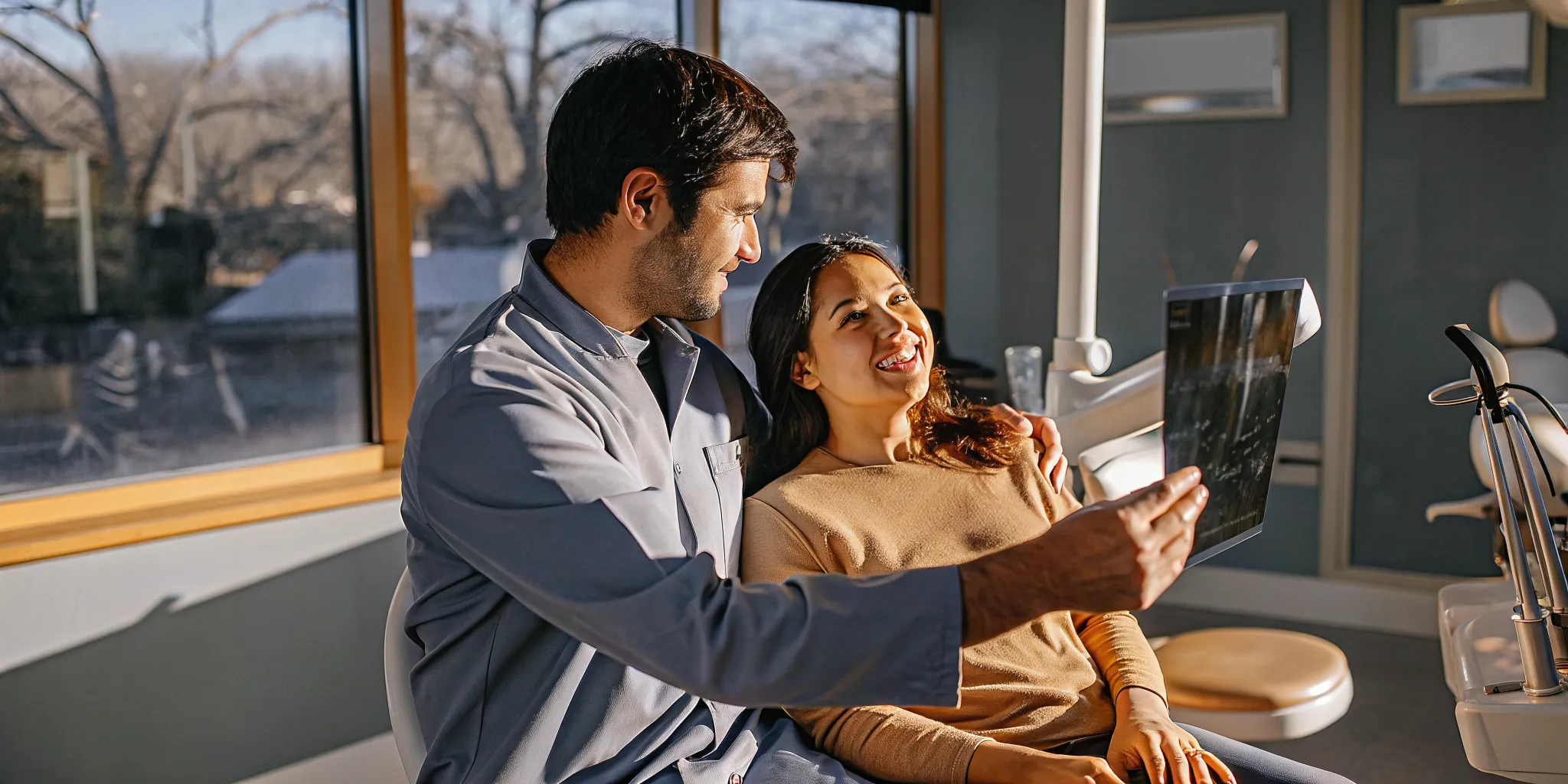
Why can a tooth break?
Teeth are strong, but they are not indestructible. A tooth may break after a fall, sports injury, vehicle accident, or direct blow to the mouth. It can also fracture while biting ice, hard candy, a bone, or an unexpected object in food. Wearing a properly fitted mouthguard during contact sports can reduce the risk of dental trauma.
Sometimes the immediate event is only the final stress on a tooth that was already vulnerable. Large fillings, untreated decay, teeth grinding, and previous cracks can reduce the amount of strong tooth structure remaining. Normal chewing pressure may then be enough to cause part of the tooth to separate.
Chips, cracks, and fractures are not all alike
A chip usually removes a small portion of enamel. A cracked tooth has a line that may extend from the chewing surface toward the root. A fractured cusp affects one of the raised areas around a filling. More extensive fractures can expose the pulp or extend below the gumline. These injuries may look similar to a patient, but they can require very different treatment.
A dentist evaluates where the damage begins and ends, whether the tooth is stable, and how the nerve responds. That is why a professional assessment matters even when a break seems small. Marcos Ortega DDS may use dental imaging and a careful bite evaluation to identify damage that is not visible at home.
How does a dentist evaluate a broken tooth?
Your visit begins with a discussion of what happened and what you are feeling. Be ready to explain when the injury occurred, whether pain is constant or triggered by biting, and whether you have noticed swelling or temperature sensitivity. Also share relevant medical conditions, allergies, and medications so your care can be planned safely.
The dentist will visually examine the tooth and surrounding gums, check for movement, and look at how your teeth come together. Dental X-rays can reveal damage near the root, bone, or neighboring teeth. In some cases, additional tests help determine whether the pulp remains healthy. The findings guide a personalized treatment plan rather than a one-size-fits-all repair.
Patients who feel anxious about emergency care are encouraged to say so when scheduling. Marcos Ortega DDS has extensive experience helping nervous patients and offers sedation dentistry options for suitable candidates. Sedation requires an individual health review and appropriate monitoring, so it is not automatically recommended for every patient or procedure.
Call Marcos Ortega DDS at 619-295-4545 to discuss your broken tooth and request a prompt evaluation.
How can a broken tooth be repaired?
The right repair depends on the depth and location of the break, the health of the pulp, and how much stable tooth remains. Preserving the natural tooth is often the preferred goal when it is clinically appropriate. Your dentist will explain the reasonable options, expected benefits, limitations, and follow-up needs after the examination.
Bonding or contouring for a small chip
A minor enamel chip may be smoothed if it only creates a rough edge. Cosmetic bonding can rebuild a small missing area with tooth-colored material. The shade and shape are selected to blend with the surrounding tooth. Bonding is conservative, but the material may wear or chip over time and should be monitored during routine visits.
A crown for a larger fracture
When a significant portion of the tooth has broken but the root remains supportable, a crown may restore strength, shape, and function. The tooth is prepared so the restoration can cover and protect it. Marcos Ortega DDS offers comprehensive restorative dentistry, allowing the repair plan to consider both health and appearance.
Root canal treatment when the pulp is affected
If a fracture exposes or damages the pulp, root canal treatment may be recommended to remove inflamed or infected tissue inside the tooth. The tooth is then sealed and usually protected with a restoration such as a crown. Not every painful or broken tooth needs root canal treatment. The decision depends on examination findings and diagnostic tests.
Extraction and replacement when a tooth cannot be saved
Some fractures extend too far below the gumline or through the root for predictable repair. In that situation, extraction may be the safest option. The dentist can discuss replacement choices, which may include a bridge, partial denture, or dental implant depending on your oral health and goals. An implant consultation is available when that option is appropriate.
What should you avoid doing with a broken tooth?
Home care can protect the area temporarily, but it cannot diagnose or repair a fracture. Avoid testing the tooth by biting on it, pulling at a loose piece, or repeatedly touching the area with your tongue or fingers. Do not use nail glue, super glue, or an online repair material inside your mouth. These products can damage tissue and interfere with dental treatment.
- Do not ignore the break simply because pain fades.
- Do not chew hard or sticky foods on the injured side.
- Do not place aspirin or another medication directly against the gum.
- Do not expose the tooth to very hot or cold food if it is sensitive.
- Do not delay care if swelling, fever, drainage, or worsening pain develops.
A temporary dental repair product may sometimes cover a sharp edge, but it is not a substitute for care. Follow the product directions and tell your dentist what you used. If a crown has come off rather than the tooth itself breaking, keep the crown safe and bring it to the appointment.
How Marcos Ortega DDS supports anxious emergency patients
An unexpected dental injury can feel especially difficult if you already have dental anxiety. Marcos Ortega DDS takes a calm, comfort-first approach and explains what is happening before recommending treatment. The Hillcrest practice has served San Diego for more than 34 years and provides comprehensive care under one roof, which can make follow-up easier when a broken tooth needs restorative or cosmetic attention.
Dr. Marcos Ortega is a UCSF-trained dentist with experience in cosmetic and sedation dentistry. For appropriate patients, comfort options may help make treatment more manageable. Suitability for sedation depends on your health history, the planned procedure, and a clinical assessment. The team uses screening and monitoring protocols designed around patient safety.
The practice serves Hillcrest, Downtown San Diego, Mission Hills, Banker’s Hill, Park West, Middletown, and surrounding communities. Free parking is available, and patients can request an appointment online or call for urgent guidance. If cost is a concern, ask about consultation-based treatment planning and available payment options after the dentist identifies what the tooth needs.
Frequently asked questions about broken teeth
Can a dentist save a broken tooth?
Often, yes. The appropriate treatment depends on how much stable tooth remains, whether the crack reaches the root, and the health of the pulp and surrounding tissues. Prompt evaluation may preserve more treatment options, but no specific result can be promised before an examination.
How quickly should I see a dentist for a broken tooth?
Call a dentist as soon as possible. Same-day care is especially important for severe pain, swelling, bleeding, an exposed inner tooth, or an injury that makes the tooth loose. If symptoms suggest a medical emergency, seek immediate medical help.
What should I do with a piece of broken tooth?
Pick it up carefully, rinse it gently if dirty, and keep it moist in milk or saliva. Bring it to the appointment. In selected cases, a dentist may be able to use the fragment as part of the repair.
Is a broken tooth always painful?
No. A shallow chip may cause little or no discomfort, while a deeper fracture can cause sharp pain or sensitivity. Because symptoms do not reliably show the depth of damage, arrange an exam even if the tooth feels comfortable.
What can I eat with a broken tooth?
Choose soft, lukewarm foods and chew on the other side. Avoid hard, sticky, very hot, very cold, and sugary foods until a dentist evaluates the tooth.
Get prompt help for a broken tooth in San Diego
A broken tooth is easier to manage when you protect it, avoid further pressure, and seek professional guidance promptly. Marcos Ortega DDS offers reassuring, individualized emergency care and can explain your options after a thorough examination. Treatment depends on the fracture, your oral health, and your goals.
Call 619-295-4545 now to request an emergency dental appointment with Marcos Ortega DDS. You can also visit the dental services page to learn more about comprehensive care in Hillcrest.