
A racing heart in the dental chair can keep needed care out of reach. Sedation dentistry can make that next visit feel more manageable.
Schedule a Free Sedation Dentistry Consultation at Marcos Ortega DDS
Dental anxiety San Diego patients experience can often be eased with sedation dentistry and a comfort-first care plan. Sedation can help reduce fear and tension, making it easier to receive preventive, restorative, or cosmetic treatment without feeling overwhelmed. Because research shows dental fear is common among adults, a thoughtful dental team will listen without judgment and tailor each visit to the patient. At Marcos Ortega DDS in Hillcrest, sedation care starts with a health review, suitability screening, and careful monitoring. The right approach depends on the patient’s health, anxiety level, planned procedure, and personal goals. A consultation gives anxious patients space to discuss past experiences, ask questions, and understand their options before agreeing to treatment.
The first question is not whether your fear is serious enough, but what would help you feel safe taking the next step. Dental anxiety San Diego patients face is real and manageable, and understanding why it happens makes choosing support easier. The path begins with:
Dental anxiety San Diego patients face is real and manageable
Dental anxiety San Diego patients experience can range from mild unease to intense fear before an appointment. It may lead someone to delay care, even when a tooth hurts or daily eating becomes hard. This response is not a character flaw, and a caring dental team should never treat it that way.
Why dental visits can feel difficult
Fear often grows from a painful past visit, worry about judgment, or a sense of losing control. Sounds, bright lights, smells, and close physical contact can also bring on stress. A recent U.S. study of adult dental fear found that many adults reported some level of fear.
For patients who live or work near Hillcrest and Downtown San Diego, a busy schedule can add another barrier. It may seem easier to keep postponing care between work, family needs, and travel across the city. Over time, that delay can make the thought of returning feel even harder.
- Past pain can make a new visit feel unsafe before it starts.
- Fear of criticism may keep patients from discussing missed visits or oral health concerns.
- Sensory triggers may include the sound of tools, clinic smells, or a bright treatment light.
- Unclear costs or treatment steps can cause stress before an exam takes place.
What compassionate care looks like
A compassionate plan starts with listening, not judgment. The patient can share specific triggers, past experiences, and the parts of treatment that feel most difficult. The dental team can then explain each step in plain language and agree on ways to pause.
Small choices can restore a sense of control. These may include a quiet first meeting, a stop signal, shorter visits, or added time for questions. Patients can also read more about relieving dental anxiety before discussing their needs with the care team.
A plan built around the patient
Managing anxiety does not mean pushing through fear. It means creating a plan that fits the patient’s health, concerns, and treatment needs. For some people, clear explanations and agreed breaks may help. Others may want to ask whether sedation is suitable after proper screening.
A first appointment can focus on conversation and a careful exam. Every needed procedure does not have to happen at once. Patients can ask what will happen, how long each step may take, and what comfort options are available. A guide to anxiety-free dental care can help patients prepare useful questions before the visit.
- Tell the office about anxiety when scheduling, so the team can plan enough time.
- Describe the exact trigger instead of saying only that dental visits are stressful.
- Ask for clear choices, a stop signal, and explanations before treatment begins.
- Discuss sedation only after the dentist reviews health history, exam findings, and individual needs.
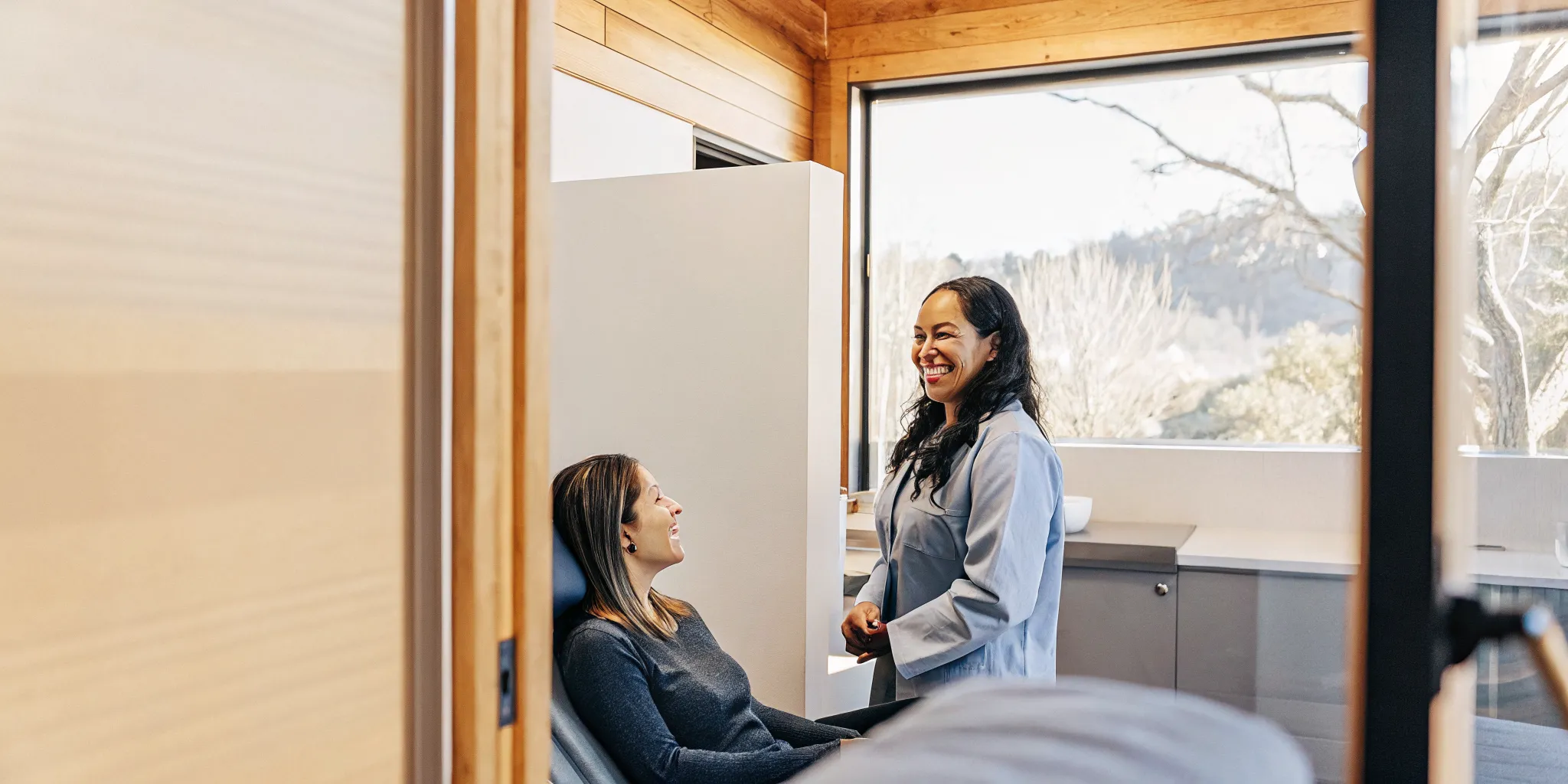
Can sedation dentistry help with dental anxiety?
Yes, sedation dentistry can help many people with dental anxiety feel calmer and complete care they have delayed. It does not erase every worry, and it is not the right choice for every patient. A dentist first needs to learn what causes your fear and what treatment you may need.
Dental anxiety is common, so there is no reason to feel embarrassed about raising it. A global review of adult dental fear found that these feelings affect people around the world. Open discussion helps the dental team plan support around your needs instead of making assumptions.
How oral conscious sedation fits
Oral conscious sedation is a planned comfort option for some anxious patients. It involves taking medicine by mouth under a dentist’s direction before treatment. The goal is to reduce distress enough for the patient and dental team to move through care more calmly.
It may help when fear has led to missed visits, or when a longer visit feels hard to manage. The team can pair sedation with clear explanations, a calm pace, and a plan for breaks. Patients who want more detail can read this guide to sedation dentistry in San Diego before discussing options.
Safety starts with screening
Sedation is not an automatic answer to dental anxiety. Before recommending it, the dentist reviews your health history, current medicines, past experiences, and planned dental work. Your answers help the team judge whether oral sedation fits your needs and goals.
An exam may also show which care should happen first and how much treatment a visit may include. If sedation is suitable, the visit is planned around screening, monitoring, and clear instructions. Suitability depends on your exam findings, health history, treatment needs, and personal goals.
You should ask what to do before the visit, what monitoring is used, and what support you will need afterward. These questions help set clear expectations. No sedation option can promise a specific feeling or result for every person.
A calmer path to needed care
The key is matching the level of support to the person’s health, procedure, and source of fear. Some patients benefit from a short first visit focused on conversation, an exam, and a clear care plan. Others may be ready for treatment after the dentist confirms that oral conscious sedation is appropriate.
For help with dental anxiety, San Diego patients can begin with a no-pressure talk about their concerns. Marcos Ortega DDS offers comprehensive dental services in one location, which may reduce the stress of coordinating several offices. A free oral sedation consultation gives the team time to explain options and set realistic expectations.
What oral conscious sedation feels like and how safety screening works
For people facing dental anxiety in San Diego, oral conscious sedation can make a visit feel more manageable. It aims to help you feel calm while remaining awake and able to respond to the dental team. Dental fear is common, as a recent study of U.S. adults also shows.
Before the appointment
The process starts with a conversation, not with a sedative. The dentist reviews your concerns, planned care, health history, and current medicines. This review helps the team decide whether oral sedation may suit you and what instructions apply. Marcos Ortega DDS offers free oral sedation consultations for patients who want to discuss their options without pressure.
Your dentist may give specific directions about food, drinks, and medicines before the visit. Follow only the instructions made for you. Do not change a prescription on your own. For more background before your consultation, read the practice’s guide to sedation dentistry in San Diego.
- Discuss your anxiety and goals. Explain what makes visits hard, including past experiences, sounds, needles, or worries about treatment. Clear details help the team plan support around your needs.
- Review your health history. Share your conditions, allergies, medicines, supplements, and prior reactions to sedation. The dentist may need more information before deciding if oral sedation is suitable.
- Receive personal instructions. If sedation is appropriate, the team explains when to take the medicine and how to prepare. These directions may differ from one patient to another.
- Arrange a trusted driver. Plan for an adult to bring you to the appointment and take you home. You should not drive yourself after taking an oral sedative.
- Complete the visit with monitoring. During care, trained staff watch your response and key signs while keeping communication open. Follow the team’s recovery and aftercare directions once treatment ends.
What relaxation may feel like
Oral conscious sedation aims to reduce tension rather than make you fully unconscious. You may feel drowsy, less focused on the procedure, or more at ease in the chair. You should still be able to hear the team and answer simple questions. Each person’s response can differ.
Sedation and local anesthetic serve different roles. Sedation helps with fear and relaxation, while the dentist plans comfort steps for the dental work itself. It is not a promise of a pain-free visit. Patients exploring wider care options can review the practice’s comprehensive dental services before discussing a treatment plan.
Safety screening and individual eligibility
Screening helps the dentist weigh your health needs, the planned procedure, and the expected level of sedation. At Marcos Ortega DDS, DOCS-certified sedation expertise supports a safety-first process with trained monitoring. Oral sedation is not right for every patient, and eligibility depends on the dentist’s assessment. Honest answers and careful planning help the team choose a safe approach for your needs.
How to prepare for a calmer dental appointment in Hillcrest
Dental fear affects many adults, so feeling tense before an appointment is not unusual. A study of dental fear in US adults found that people report fear at different levels.
A simple plan can give you more control before you enter the office. Start preparing when you book, rather than waiting until the day of your visit.
Share concerns before the visit
Tell the dental team what makes you uneasy. You might worry about discomfort, sounds, needles, loss of control, or a past experience. Clear details help the team discuss ways to make the visit easier.
Ask what will happen during the appointment and how long each part may take. You can also agree on a hand signal for breaks. Patients exploring sedation dentistry in San Diego should ask about screening, monitoring, and what to expect afterward.
- Bring a current medication list, including supplements and doses.
- Share health conditions, allergies, and any past response to sedation.
- Write down your questions so you do not need to recall them while tense.
- Ask whether eating, drinking, or medication instructions apply before your visit.
Plan the trip and timing
Choose a time when you tend to feel rested and less rushed. An early visit may work well if waiting increases your worry. Leave enough travel time from Downtown San Diego, Mission Hills, Banker’s Hill, or Park West.
Confirm parking and the office entrance before leaving home. If sedation is part of the plan, ask whether you need a trusted adult to drive. Follow the dental team’s transport and aftercare instructions exactly.
Wear loose, comfortable clothes and bring headphones if the office allows them. Avoid packing stressful errands around the visit. A lighter schedule gives you space to arrive calmly and recover afterward.
Use a short calming routine
Practice slow breathing before the appointment, then use the same pattern in the waiting room. Breathe in gently, pause, and breathe out longer. You can also name things you see and hear to keep your attention in the present.
Bring one familiar item, such as a small stress ball or a calming playlist. Tell the team if your anxiety rises during care. Asking for a pause is useful information, not a failure.
For stronger dental anxiety, discuss comfort options before treatment begins. Marcos Ortega DDS offers free oral sedation consultations, but suitability depends on your health and exam findings. Review comprehensive dental services or call 619-295-4545 to plan a no-pressure visit.
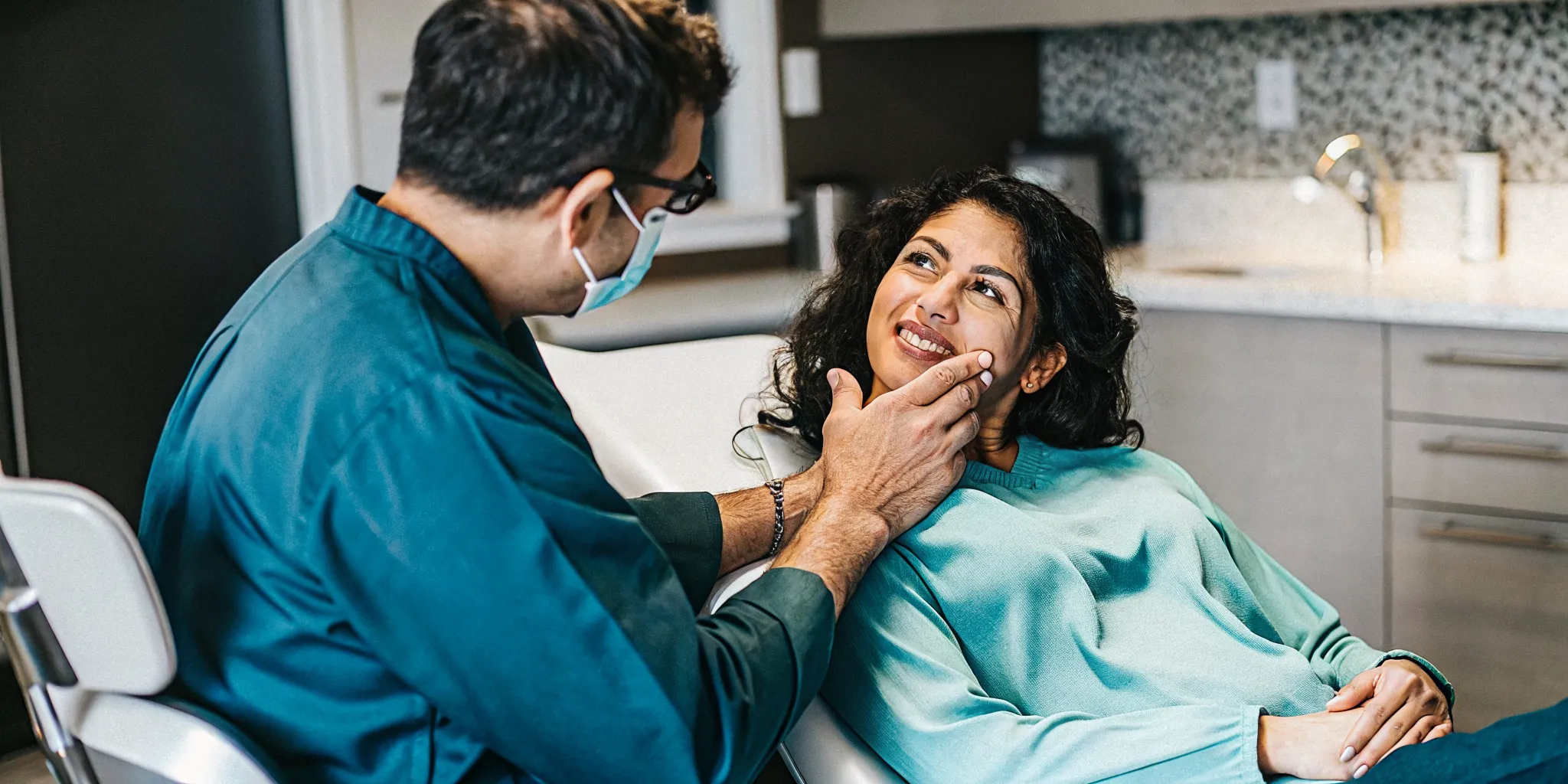
Comparing dental anxiety management options
Dental anxiety does not call for one standard solution. The right plan depends on your health, the planned procedure, and what helps you feel in control. Some people need clear communication and short breaks, while others may benefit from oral conscious sedation.
A global review of dental fear and anxiety found that adults experience it at different levels. That range matters because support should match each person’s needs rather than assume every anxious patient needs sedation.
Support during the appointment
Clear communication is often the first step. Before care starts, you and the dental team can agree on a stop signal and review each part of the visit. Planned breaks can also make a longer appointment feel more manageable.
Local anesthesia serves a different purpose. It numbs the treatment area, but it does not directly reduce fear about sounds, sensations, or the setting. For some patients, local anesthesia works well when paired with explanations, breaks, and a calm pace.
Small choices can also support a sense of control. You might ask to sit upright during explanations or hear only the details you want. Sharing past concerns early gives the team time to shape the visit around them.
| Option. | Main purpose. | May fit when. | Planning note. |
|---|---|---|---|
| Clear communication. | Builds trust and predictability. | Uncertainty increases anxiety. | Agree on signals before care. |
| Planned breaks. | Creates pauses during care. | Long visits feel difficult. | Set expectations in advance. |
| Local anesthesia. | Numbs the treatment area. | Concern centers on discomfort. | Can pair with other support. |
| Oral conscious sedation. | Helps lower anxiety. | Fear makes care hard to begin. | Requires health screening. |
| Phased treatment. | Divides care into smaller visits. | A full plan feels overwhelming. | May require more appointments. |
When oral conscious sedation may help
Oral conscious sedation may be considered when communication and breaks are not enough. It is not the right choice for every person or procedure. Screening and monitoring are key parts of a safety-first plan. Suitability depends on individual health and exam findings.
Patients comparing options can read more about anxiety-free dental care before discussing their concerns. This background can help you ask clear questions about sedation, comfort measures, and what to expect.
A plan matched to your comfort level
Phased treatment can help when a large care plan feels hard to face. The first visit may focus on an exam, conversation, and simple care. Later visits can address other needs at a pace that supports comfort and steady progress.
This approach can also give you time to build trust with the dental team. Yet it may mean more visits than completing several treatments at once. The choice should balance comfort, oral health needs, time, and the type of care planned.
For patients seeking help with dental anxiety in San Diego, Dr. Ortega can compare these options without pressure. He can match the approach to your health, procedure, and comfort level. The practice’s Comprehensive Dental Services also make it easier to plan connected care in one setting.
When anxiety has kept you from needed dental work
Putting off dental care because of fear is common, and it is not a reason for shame. A global review of dental fear and anxiety found that these concerns affect adults around the world. The first visit back can focus on listening, gathering facts, and building a plan that feels manageable.
A first visit without judgment
You can tell the dental team what worries you before an exam begins. Some people fear discomfort, sounds, needles, bad news, or losing control. Others had a hard visit years ago and do not know how to return. These details help the team plan your care with more comfort and clear communication.
A comfort-first appointment can start with a conversation rather than treatment. You may ask what will happen, agree on a pause signal, and discuss which parts can wait. Reading about relieving dental anxiety can also help you prepare questions before your visit. An exam is still needed to learn what care is suitable.
A plan built in smaller parts
After an exam, the dentist can sort findings by need and explain each choice in plain language. Urgent problems may come first, while other treatment can be planned in stages. This approach can make a long list feel less daunting. It also lets you understand costs and timing before care starts.
Your plan may include several stages:
- An exam and basic care to assess your current oral health.
- Restorative work for damaged, worn, or missing teeth.
- Cosmetic options that fit your goals after health needs are reviewed.
- Implants, Invisalign, or other care based on exam findings.
- Prompt attention for pain, swelling, or another dental emergency.
The practice’s comprehensive dental services allow many needs to be discussed in one place. That may reduce the stress of explaining your concerns to several offices. It also helps the dentist see how restorative, cosmetic, and alignment goals fit together. Treatment choices still depend on your health, exam results, and priorities.
Comfort support for each stage
Comfort planning is not one fixed method. It may include a slower pace, clear explanations, planned breaks, or a talk about sedation. Before sedation is considered, the dental team reviews your health and decides whether it is suitable. Screening and monitoring are part of a safety-first plan.
You do not need to commit to every recommended procedure at the first appointment. A free consultation for oral sedation, implants, Invisalign, or cosmetic dentistry can help clarify possible next steps. If pain or swelling has made the need urgent, call the office for prompt guidance. The goal is a clear path forward, shaped around both your needs and concerns.
Why choose Marcos Ortega DDS for anxious San Diego patients?
Dental fear is common, and it can make even a routine visit feel hard. A large U.S. study found that many adults report some level of dental fear. Marcos Ortega DDS offers a calm setting for people facing dental anxiety in San Diego. The goal is to understand each concern before planning care.
Local experience and a comfort-first approach
Marcos Ortega DDS has served San Diego for more than three decades. The Hillcrest and Downtown location is convenient for nearby residents, families, and urban workers. Free parking removes one common source of stress before an appointment. Inside the office, the team uses clear explanations and takes concerns seriously.
Patients can share past dental experiences, specific fears, and questions without judgment. The team then builds an individual plan rather than rushing into treatment. This no-pressure approach gives patients time to understand their options and make informed choices. For more detail, the practice explains its process for relieving dental anxiety.
Managed oral sedation
The practice is DOCS-certified in oral sedation and focuses on care for anxious patients. Sedation is not a one-size-fits-all choice. The dentist reviews health history, current medicines, and treatment needs before deciding if it may be suitable. Trained staff also use screening and monitoring as part of the process.
A free oral sedation consultation lets patients discuss what worries them before committing to treatment. They can ask what to expect, how to prepare, and what support they will need afterward. The dentist can then explain suitable options based on exam findings and personal health. This step helps make the care plan clear and predictable.
Coordinated care in one office
Anxious patients may find referrals and visits to several offices stressful. Marcos Ortega DDS offers general, cosmetic, restorative, implant, and Invisalign care in one location. This broad range can make it easier to plan several needs with one familiar team. Patients can review the practice’s comprehensive dental services before their first visit.
Free consultations are also available for dental implants, Invisalign, and cosmetic dentistry. These visits give patients space to discuss goals, likely steps, and payment options without pressure. A patient who delayed care can start with a conversation rather than a procedure. The team can then create a paced plan that fits the patient’s needs and comfort level.
For people with dental anxiety in San Diego, trust often grows through clear choices and steady support. A long local history, comfort-first care, and coordinated services can reduce uncertainty. Patients may schedule a free consultation or call 619-295-4545 to discuss their concerns before booking treatment.
Frequently Asked Questions
How do I go to the dentist with severe anxiety?
Tell the dental office about your anxiety before booking treatment. Ask for a consultation first, so you can discuss triggers, past experiences, and comfort needs without pressure. The dentist can explain each step, agree on a stop signal, and assess whether sedation is appropriate. Bringing a trusted support person may also make the first visit easier.
How do I overcome dental anxiety?
Dental anxiety often becomes more manageable through small, planned steps rather than one difficult appointment. Start with a conversation or brief exam, ask questions, and agree on ways to pause treatment. Relaxation methods, supportive communication, and sedation may help. Because anxiety levels and health needs differ, a dentist should build an individual care plan with you.
Is sedation dentistry safe for anxious patients?
Sedation dentistry can be appropriate for many anxious patients when it follows careful screening and monitoring. Safety depends on your health history, medications, planned procedure, and the type of sedation considered. A trained dental team should review these factors before recommending an option. Marcos Ortega DDS uses a comfort-first, sedation-specialized approach for San Diego patients.
What are the different types of sedation for dentistry?
Common dental sedation options include inhaled sedation, oral medication, and intravenous sedation. Each provides a different level of relaxation and requires different preparation and recovery steps. The right option depends on your anxiety, medical history, procedure, and personal needs. Your dentist should explain what you may feel, how you will be monitored, and any aftercare requirements.
Does sedation dentistry make dental visits easier?
Sedation may make dental visits easier by reducing anxiety and helping an eligible patient remain calm during treatment. It does not replace local anesthesia or thoughtful communication, and experiences vary by person. A dentist should first review your health, anxiety level, and planned care. The goal is a monitored comfort plan that helps you receive needed treatment with less distress.
Ready to take the first step toward calmer care?
Putting off dental visits because of anxiety can leave questions unanswered and make the next appointment feel even harder to approach. Starting now gives you time to discuss your concerns, review sedation options, and understand the screening process before deciding what feels right. A thoughtful conversation can help you build a comfort plan and move toward needed care at a pace that respects your needs.
Ready to take a practical first step? Call 619-295-4545 to schedule a free consultation with Marcos Ortega DDS. You can ask questions, explain past experiences, and learn what options may fit your health, goals, and comfort level. Contact the San Diego office today so your next visit begins with a plan rather than uncertainty.